No sew appliqué

scan n cut with heat and bond made this a doddle
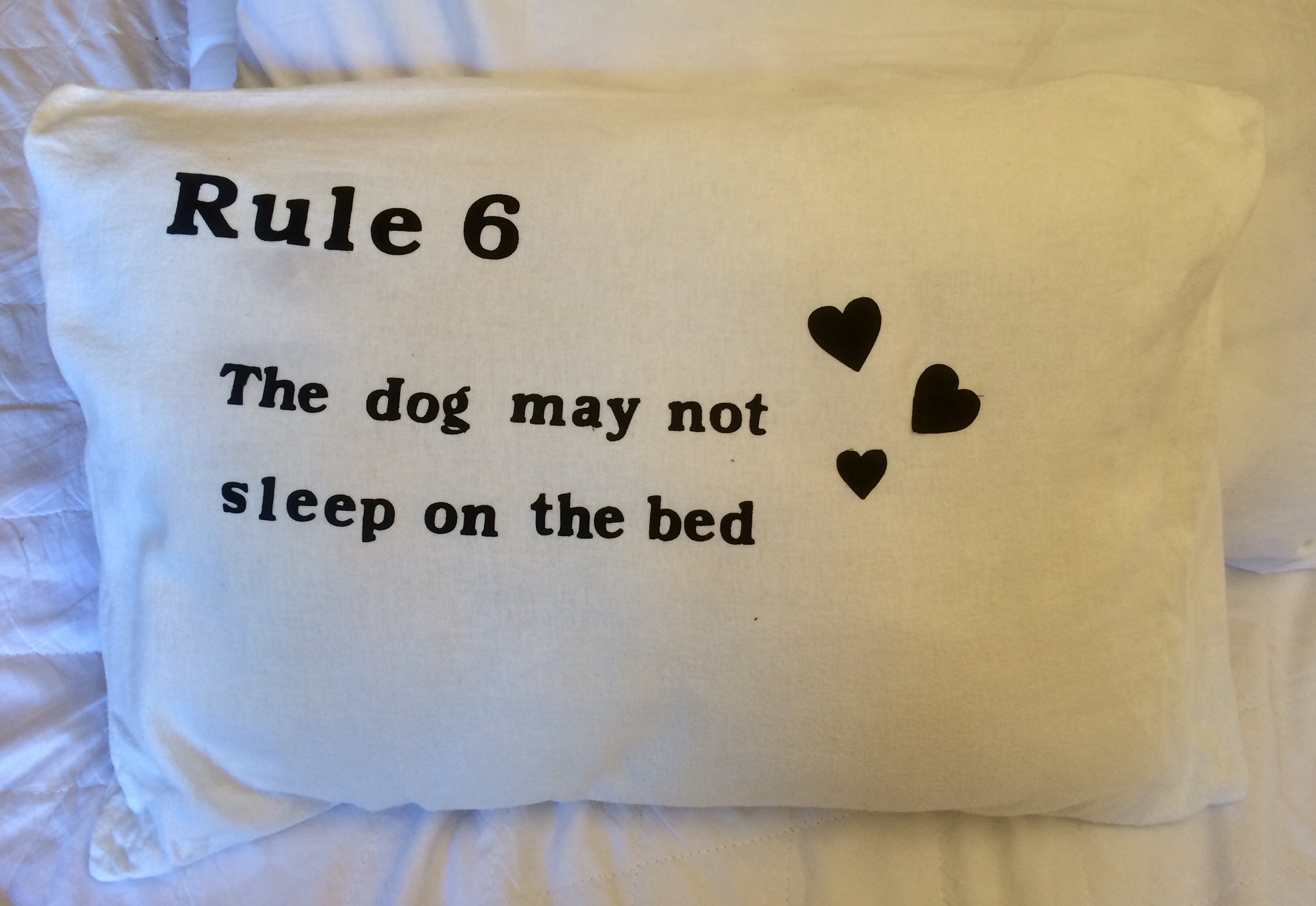
this old pillow sis in the dog basket I made some while back. It needs an upgrade and I wanted to practice my scan n cut fabric cutting technique in it. The pillow and case are standard ones recycled to the dog bed so a bit of no sew appliqué does the upgrade and helps me practise for other projects.

simple instructions

iron heat and bond onto a piece of lightweight cotton. Mine was about 10″ by 6″ , I chose plain black because of the type style bit white on a patterned pillowcase  would work as well

peel off the paper backing and press on the scan n cut mat, set blade to 4, pressure and speed to  4 , let the machine cut out the design then peel fabric from the sheet

position the design on the ironed pillowcase, I used a ruler to line the letters up – I forgot I have some transfer tape to try out

when in desired position, cover with a cloth and hot iron to seal in place

Crazy quilt

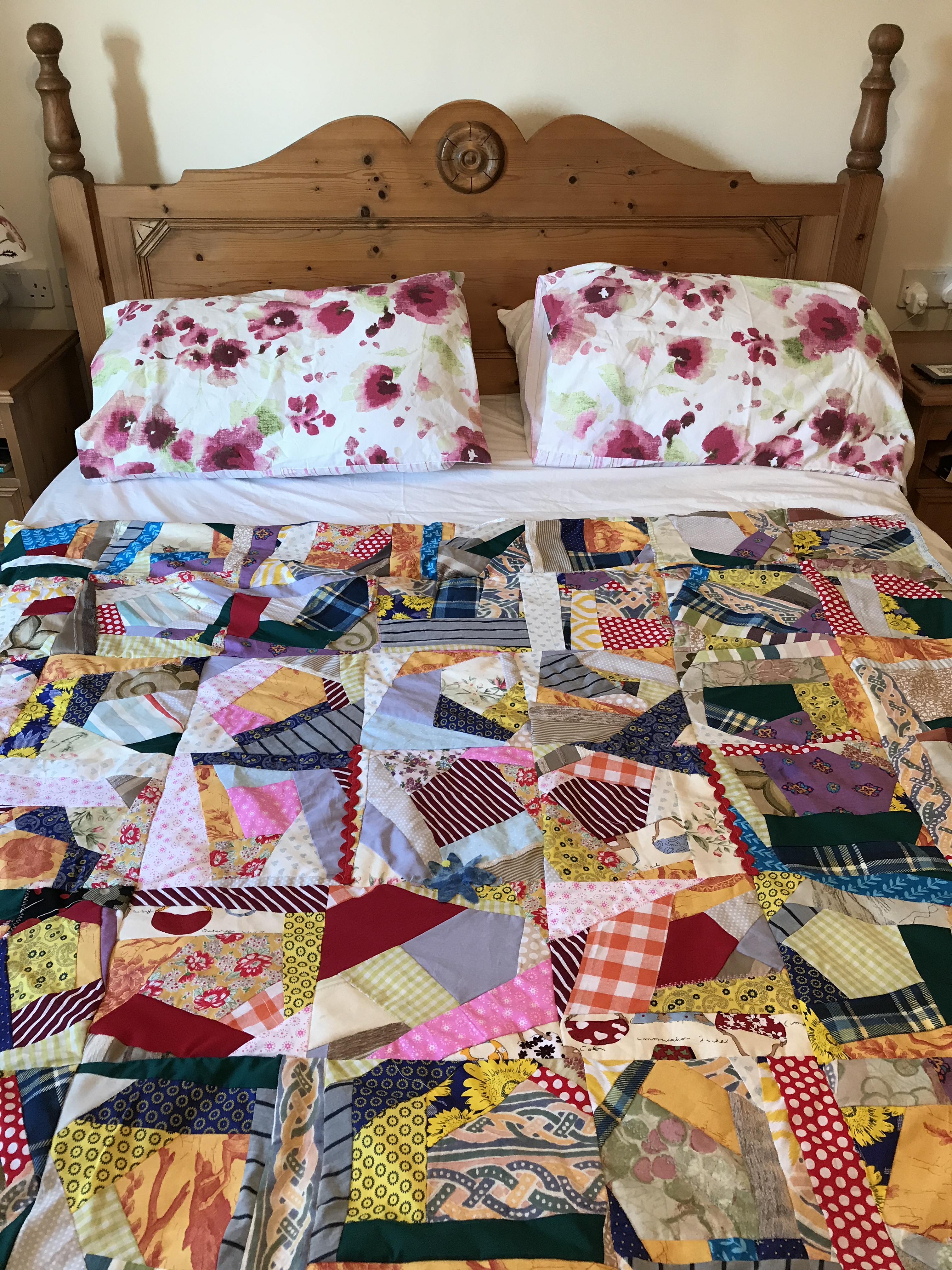
A stash buster built on the base of an IKEA throw, using crazy quilt 9 inch blocks

I cut wonky hexagons as the scentre of each block and added strips, working my way round the sides of the hexagon until it was about  9 inches square, then trimmed it against a 9 inch card template to be accurate

blocks were sewn into strips and then directly on to to the throw base until it was covered

where there were gaps or tears- I made a few mistakes!- I added ribbon or ric rac or just did a line of decorative stitching over it

ikea fleece is brilliant and a cream coloured bobbin thread is invisible on the finished item

this truly is crazy as it combines all sorts of materials,  doesn’t have a backing, frame or proper quilt finish I just seamed ribbon along two edges and hemmed with a zig zag elsewhere

never going to be a quilter but loved doing this …. if I forget how long it took I might even do another one!

Canvas embroidery sampler

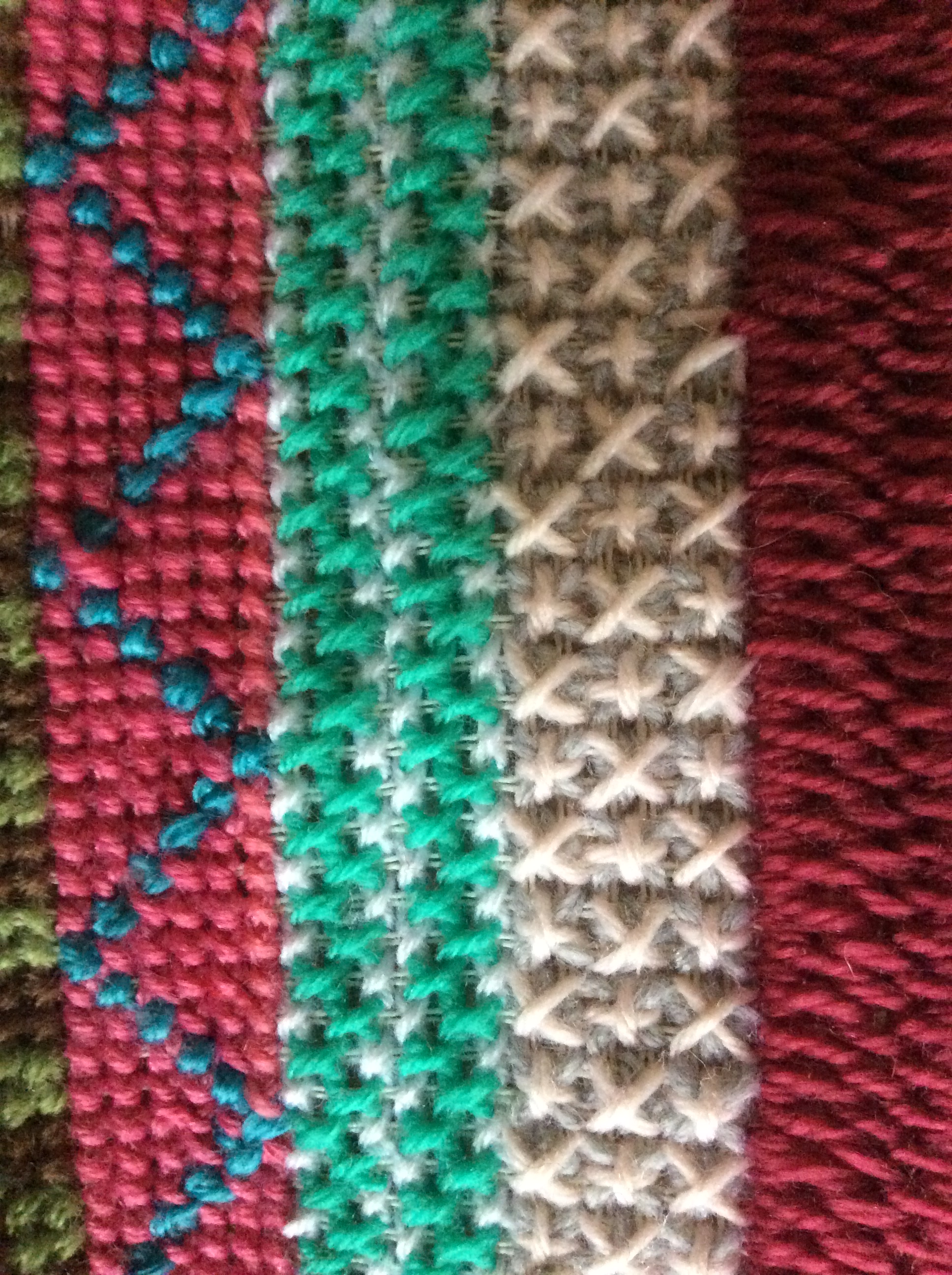
I have resurrected an old project and tried out a few new stitches which have reignited my enthusiasm for cross stitch.

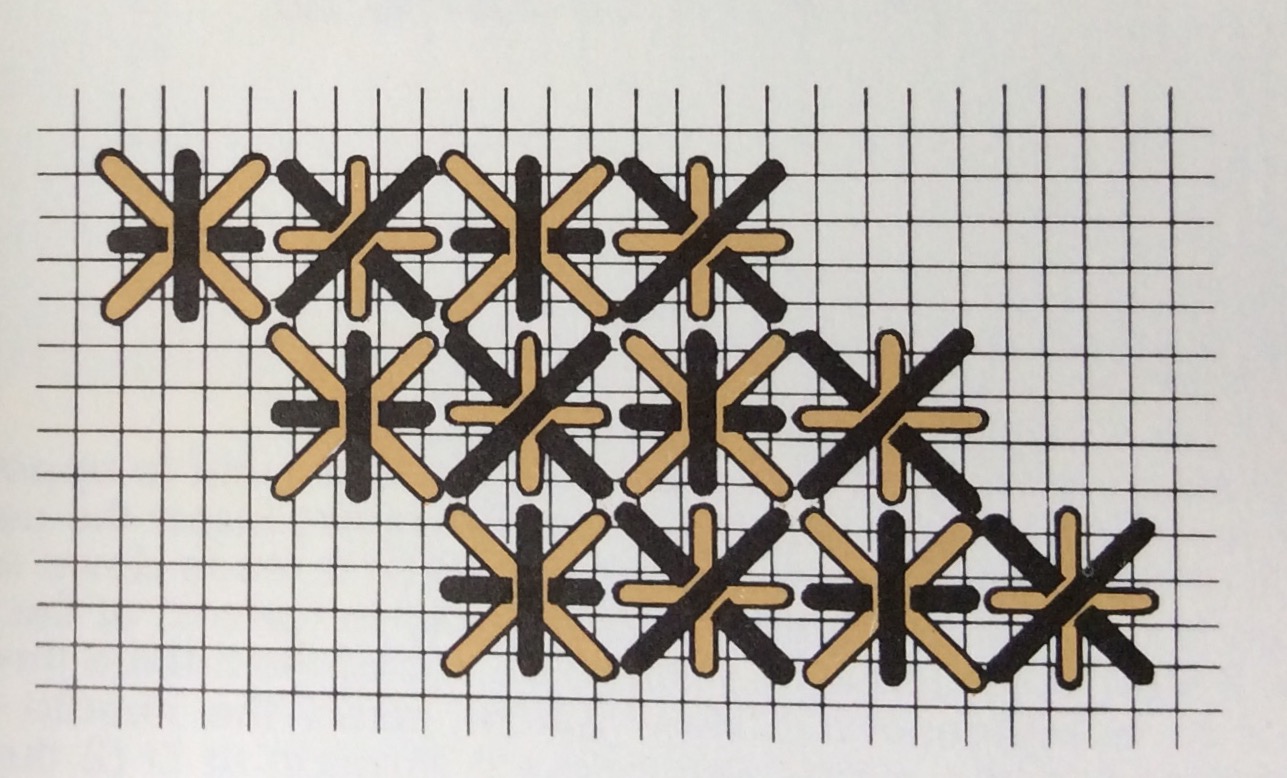
The green and white is alternating oblong and cross stitch ( just stitch over an oblong rather than a square to make the oblongs), the grey and pink is layering upright and traditional cross stitch over a double sized square and the maroon is gobelin.

if you are interested,  graphics below,

I am working on a giant roll of canvas so have set myself a target of 100  stitch or colour variations, about 90 to go!

Clutch bag

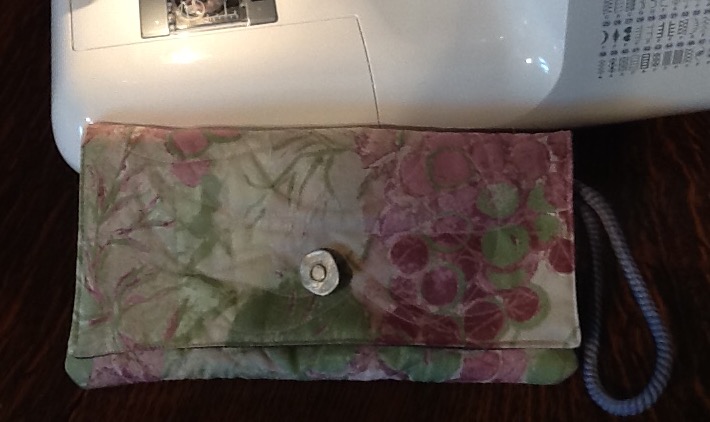
Discovered a dozen magnetic bag clasps in my sewing box, so decided to use one and follow a Debbie Shore tutorial. I made this bag with three squares of fabric, it is a quick and easy project.

I cut two 11″ squares of the floral fabric and one of a plain lining material. I cut a matching square of wadding which I free motion quilted to the back of one of my floral squares and a half square piece ( 11 x 5 1/2″) which I quilted to half of my other floral piece. I had a 15″ piece of cord for the wrislet and a spare button for embellishment. Vintage brooches would be perfect for this sort of bag embellishment.

Debbie’s tutorial is, as always, easy to follow. I top stitched at the end to give it a bit more finish.

Next time I will put some stabiliser on the lining and maybe round or angle the corners on the top flap. I might even put a pocket in the lining as this is such a quick and easy project.

Jeans to … Puppy present

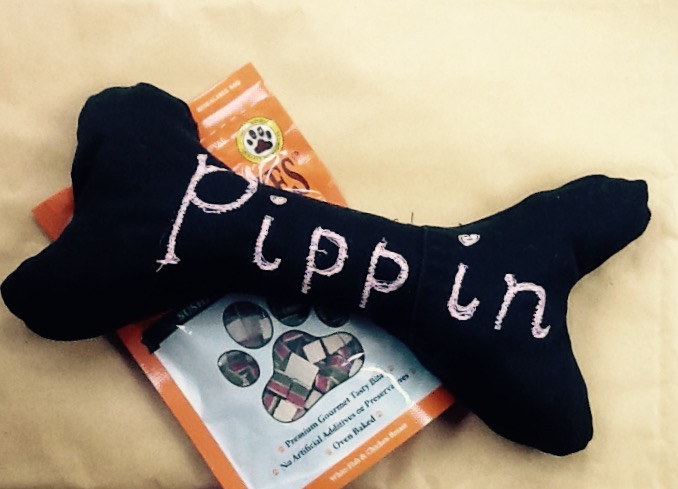
Next step on the jeans up cycling project …. A tug toy for a friend’s new puppy.

Inspired  by pinterest, I drew a bone shaped paper template and then cut matching pieces of old jeans leg with the seams at artistic(!) angles on each side then free motion embroidered the name before seaming, turning and stuffing. (Stuffed with trimmings from an ongoing sewing project)

The weak point might be my hand sewn closing of the seam but let’s see.

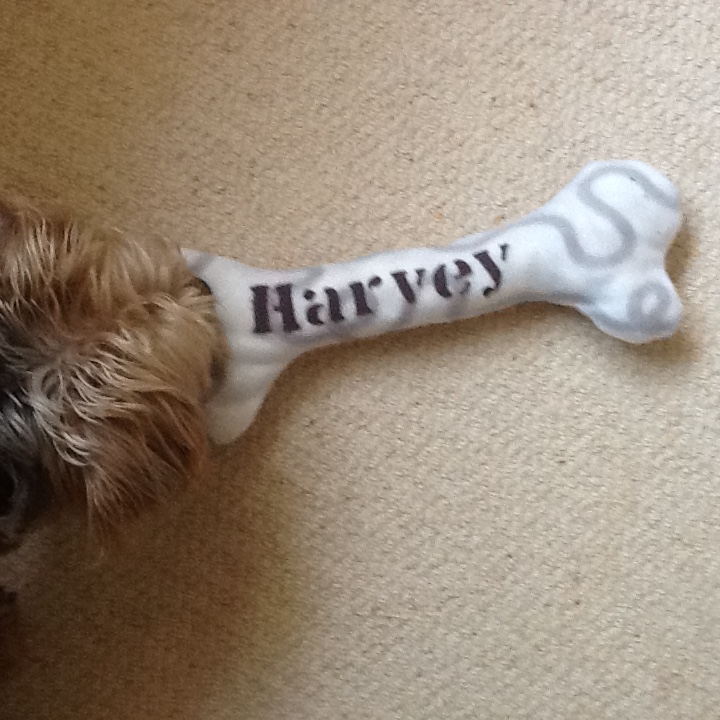
A quick, easy project that my dog approved before posting. So I did him his own version.

Brooch holder

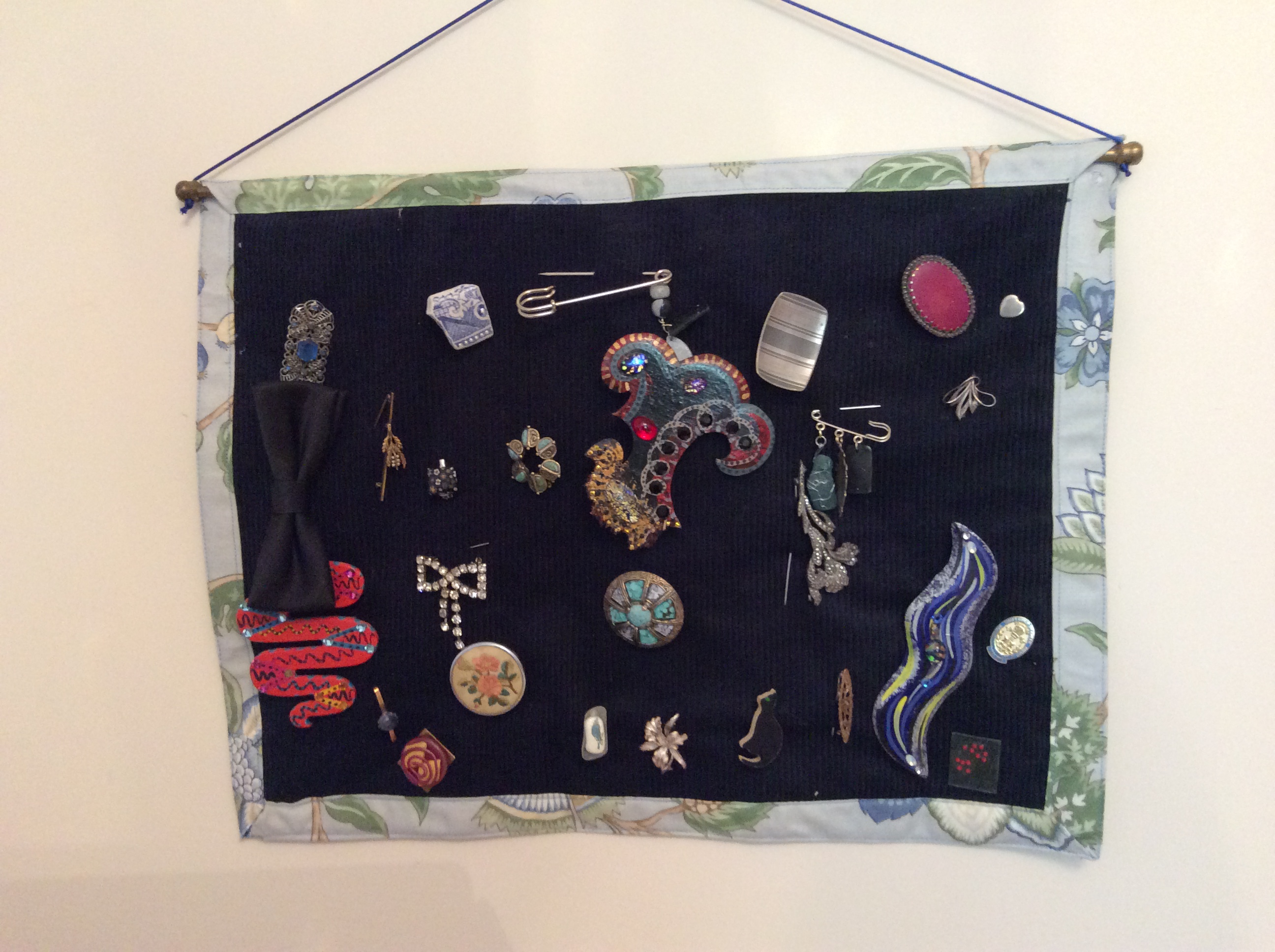
I love vintage brooches and try to wear them on jackets often

i have turned their storage into a display with this project

a piece of corduroy and contrast linen which was three inches longer and wider were sandwiched (right sides OUT) around some batting so that the corduroy was centered on the bigger fabric giving an equal border.

the border was pressed in half and then folded over the edge of the cord and pressed agin then pinned in place, creating the look of bias binding

I top stitched around the frame that was created (twice, once at the crease and once on the outer edge to sharpen it up).

the corners were folded as hospital corners on a bed with the long edges on top, to create a mitre effect but these were left unsewn so I could poke a curtain rod through the channel created when I sewed the frame

I threaded cord through the convenient hole in each end of the slim metal curtain rod (an adjustable one designed for net curtains) -and knotted it to secure it

Jeans to … sewing challenge

Take one pair of jeans and too many hours on Pinterest and let us see what we can make….

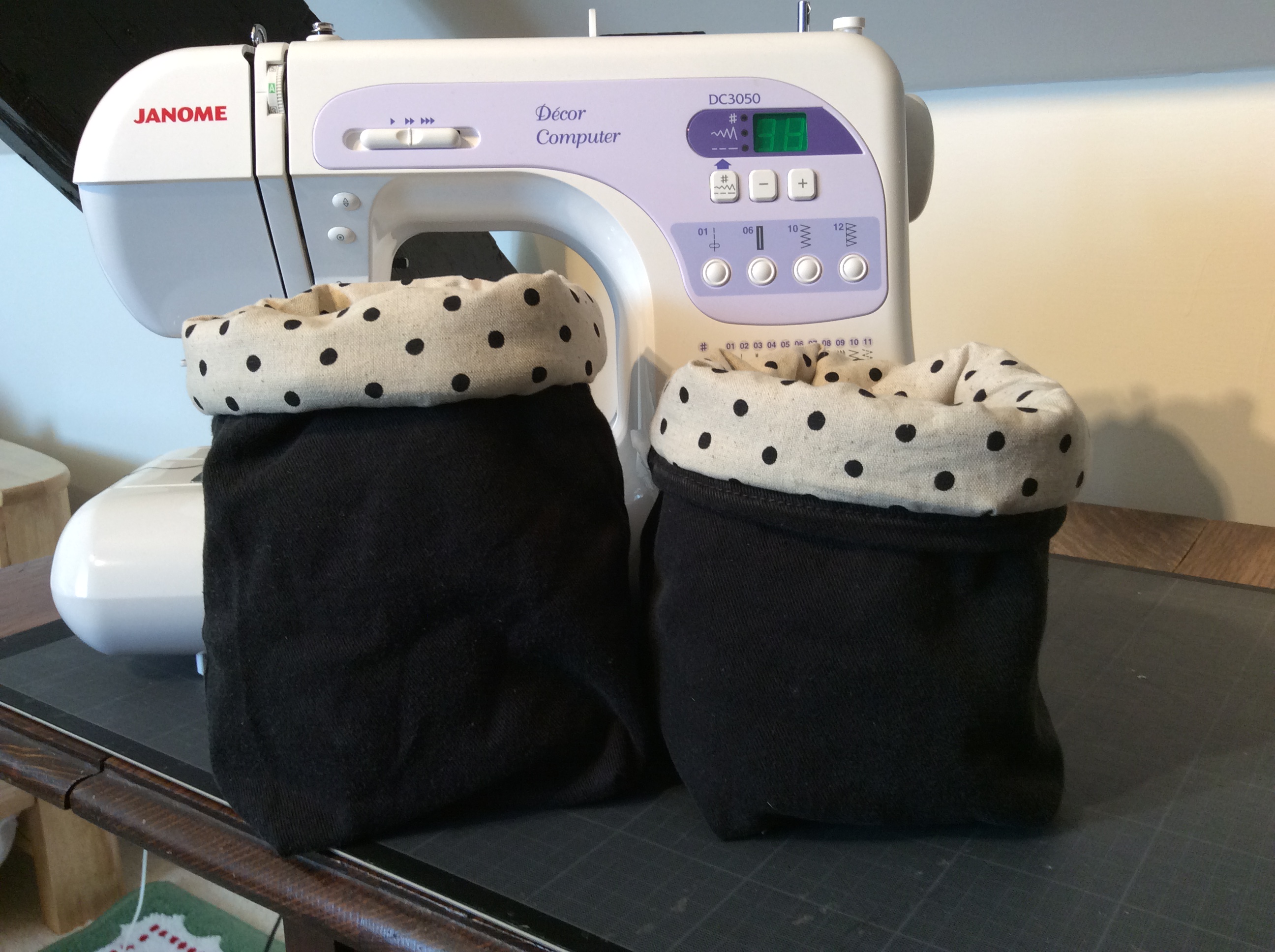
so far the bottom of the legs have been chopped off and made into two simple storage pots.

I boxed the bottoms (the tops really to preserve the hems) and lined with some dotty fabric and some wadding. One leg had a longer lining piece to create a bigger contrast cuff

These will be used to store ready readers and sunglasses.

If I made them again and had enough firm form interface I would use that to make the sides more rigid but these will do the soft storage job

Now back to Pinterest to see what else to try … I have ppreviously made a garden apron/belt, some  oven gloves and mitts -see earlier posts-  so want to expand my jeans recycling repertoire

Scan n cut snowflake garland/paper bunting

img_0185I followed a scan n cut you tube idea to create some home made decor this year. A modern version of paper chains!

For a Christmas themed garland you will need to cut out an assortment of paper snowflakes in different sizes.  I used a selection of papers and wish I had chosen doubled sided stuff as the garland twists a little in use.

if you don’t have a cutting machine folding the paper and hand cutting is an option if you have the time (or child labour!)

at the sewing machine pull a long tail of thread through then sew a long straight stitch through the centre of the first flake. (I used a white thread as most of the papers were pale or had white in but a contrast thread in a decorative stitch might be fun).

Be brave, go straight off the end of the flake and sew a few stitches in the gap before you put the next snowflake through. This creates a chain for your garland. You can overlap a few flakes or stitch a small one on top of a larger one as well.

Continue for the length you wish and leave a long tail of thread at the end for tying.

Easy to recreate for Valentines, Spring, Easter, Birthday, Halloween or Anniversary versions  …

Tip: remember that paper will blunt your machine needle

Cube door stop

image

Am trying to use up some scraps of upholstery fabric so cut six squares  and a strip for another door stop.

if you make with lighter weight material you will need heavy duty interfacing

method: fold the strip- about the same length as the side of a square –  edges to middle and then fold in half and straight stitch along the length on either edge to create a handle. Position the handle on top of the centre of one of the squares and sew the ends firmly with a quarter inch seam. This seam will be hidden later.

take four squares to form the sides of the cube. With right sides facing and a half inch seam,  fix them in a box shape then pin the top square facing downwards carefully to form the cube lid.

seam  the top to the sides, go slowly round the corners to catch all the bulk and keep a consistent half inch seam to fix the handles in place

check your work before pinning the bottom square in place, still wrong sides facing. Seam as the top but leave a gap for turning. Leave at least three fingers for your turning gap as the fabric is bulky.

check the seams at the corners and maybe go round again as the finished cube has quite a lot of weight to bear

turn Right side out through the turning gap in the bottom. stuff at least  two thirds of the cube with pillow stuffing (it will take more stuffing than you expect and you don’t want it saggy from understuffing) and then fill up with gravel, lizard litter or rice. Hand stitch the gap closed to finish.