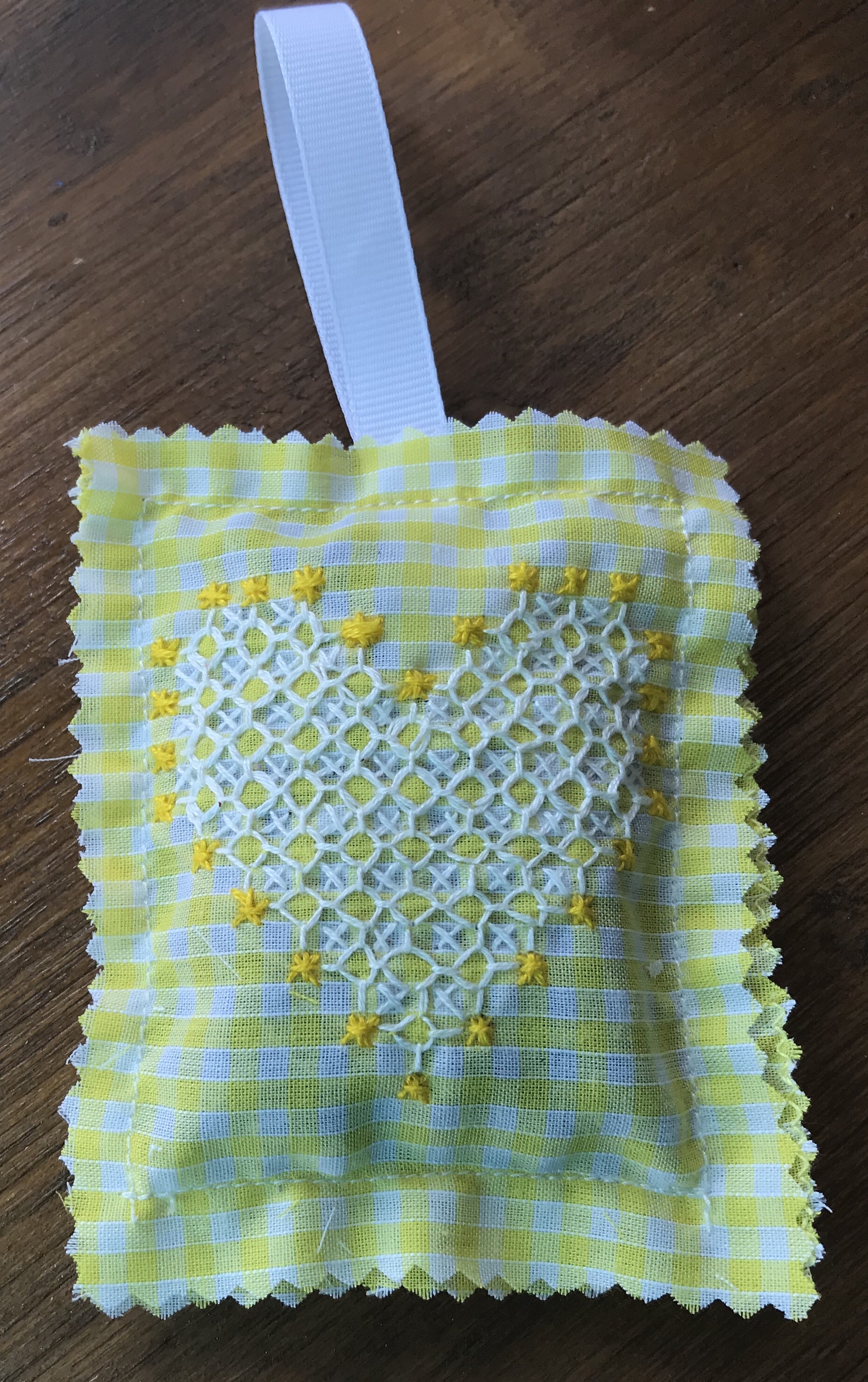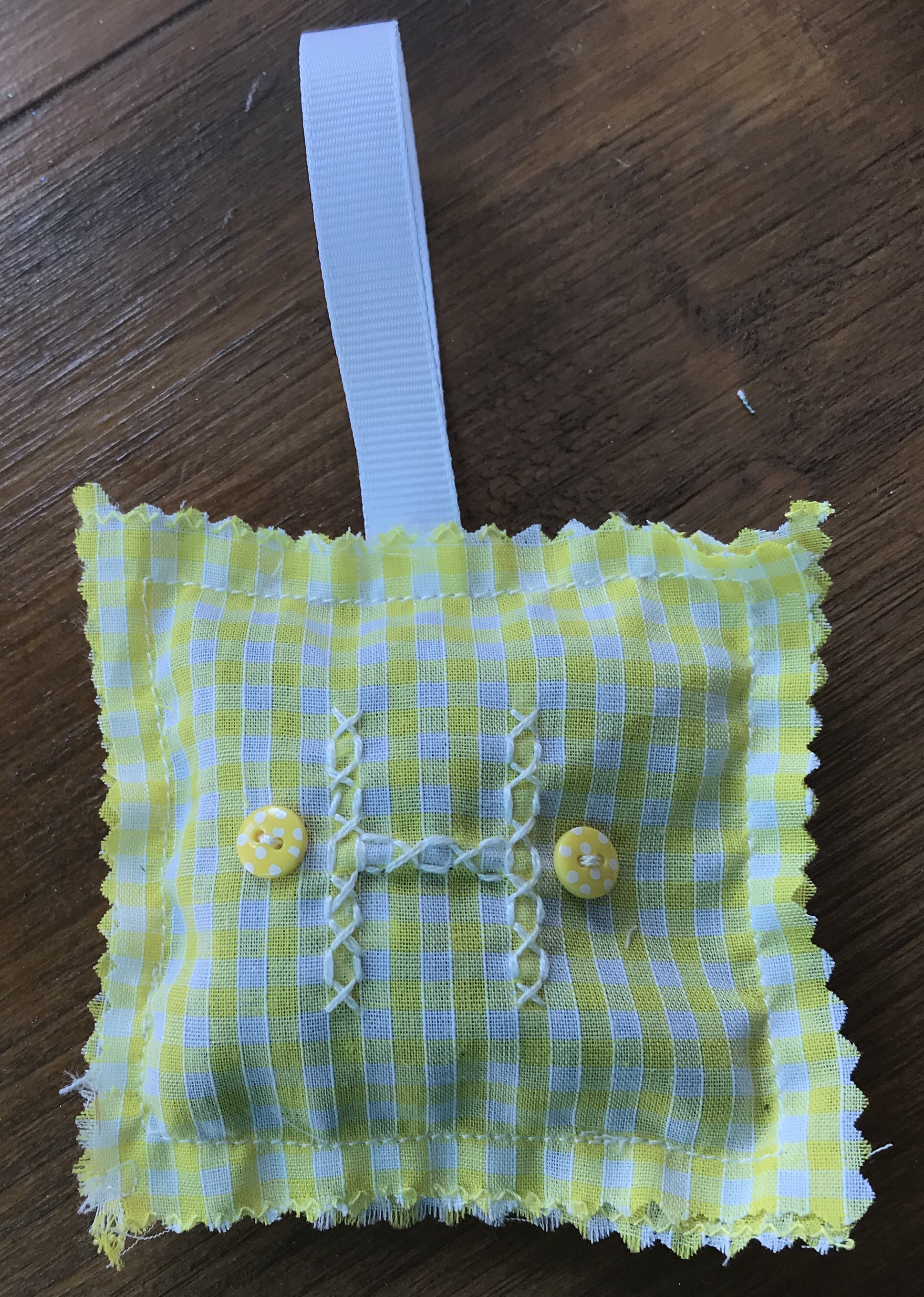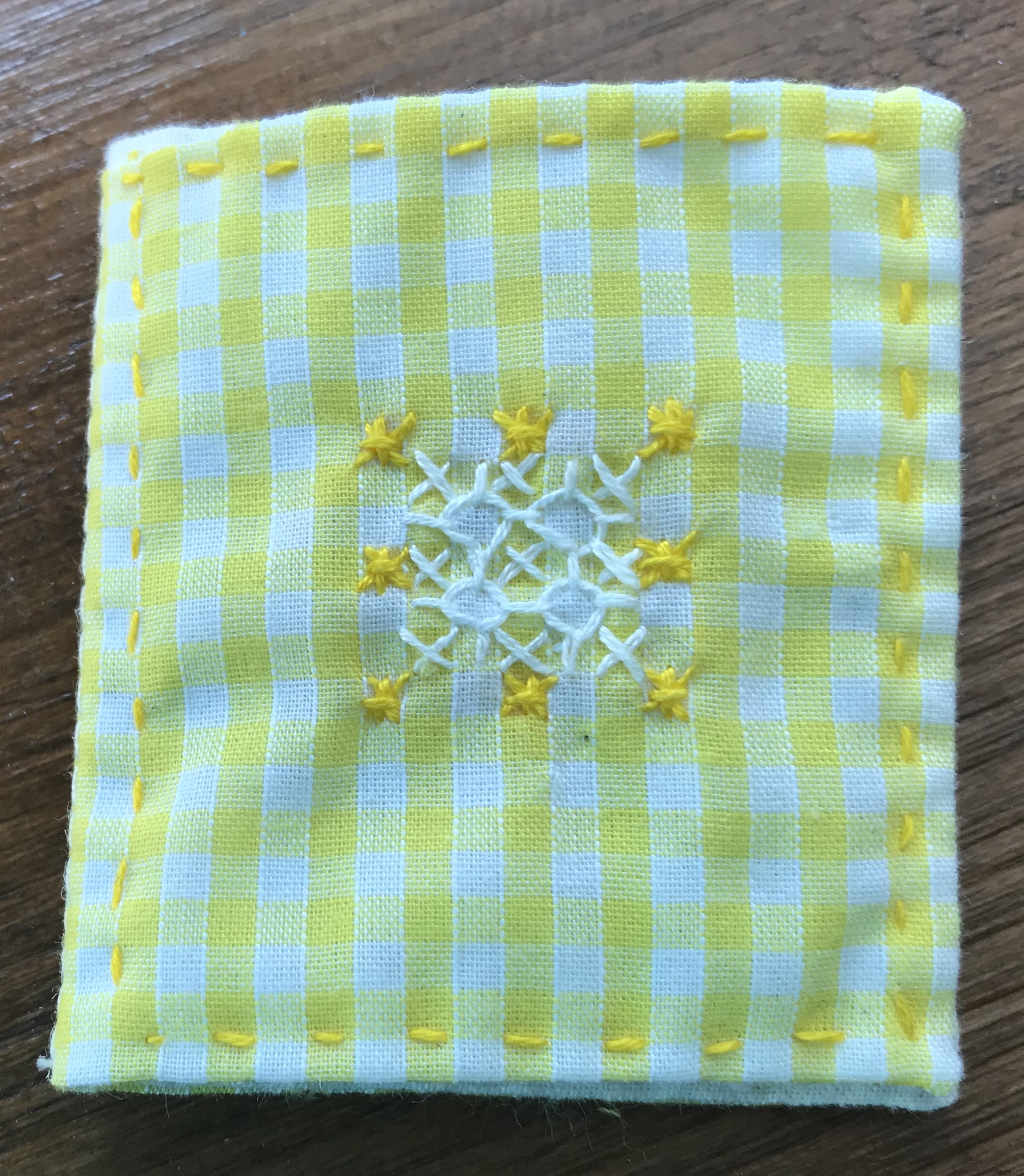

This is a simple cross stitch based embroidery that lifts gingham scraps quickly into lavender bags and more …


This is a simple cross stitch based embroidery that lifts gingham scraps quickly into lavender bags and more …


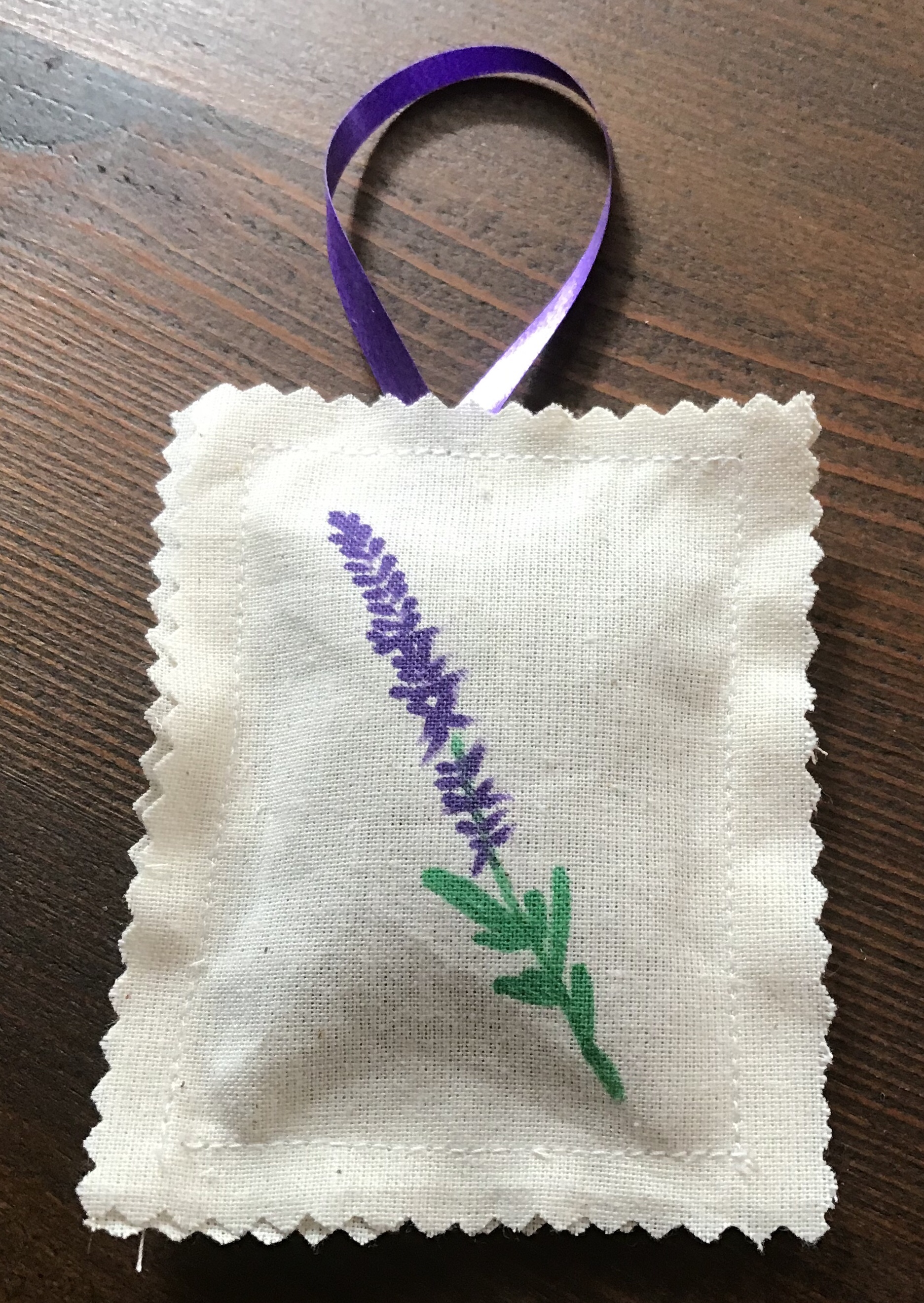
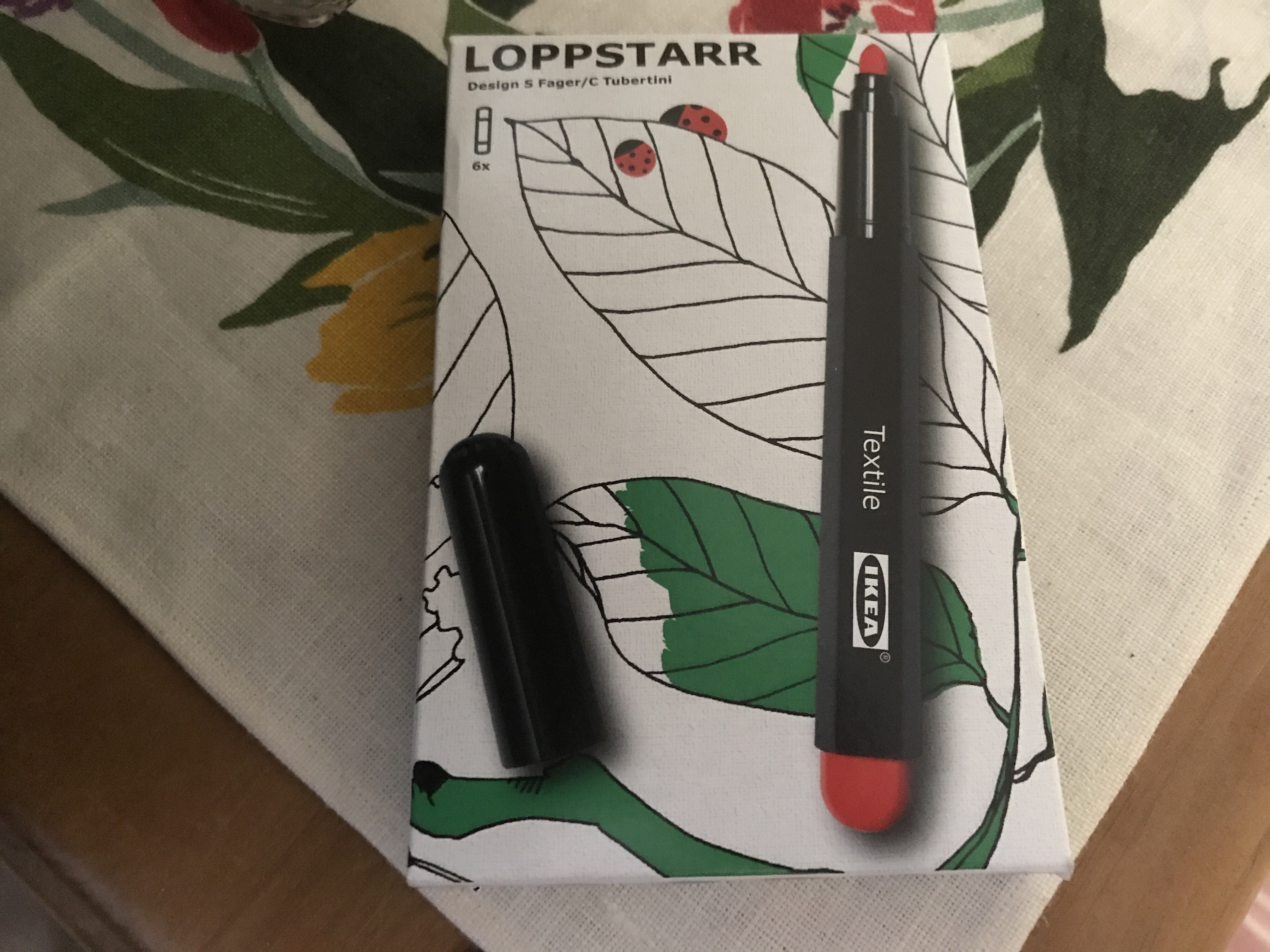
I love a trip to IKEA when there is time to browse. This time I found the Loppstarr pen set which helped boost the set of lavender bags I am making.
The tips are designed for colouring rather than outlining but for simple sketches work fine.

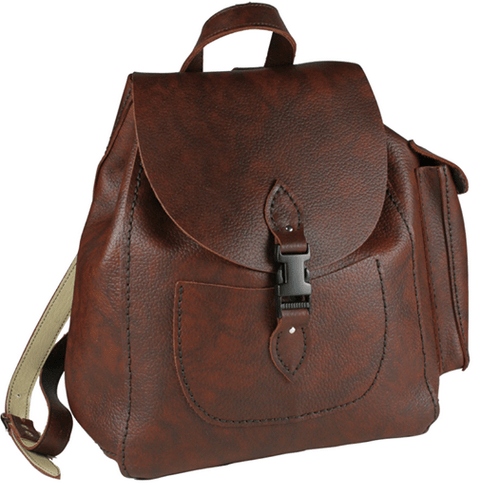
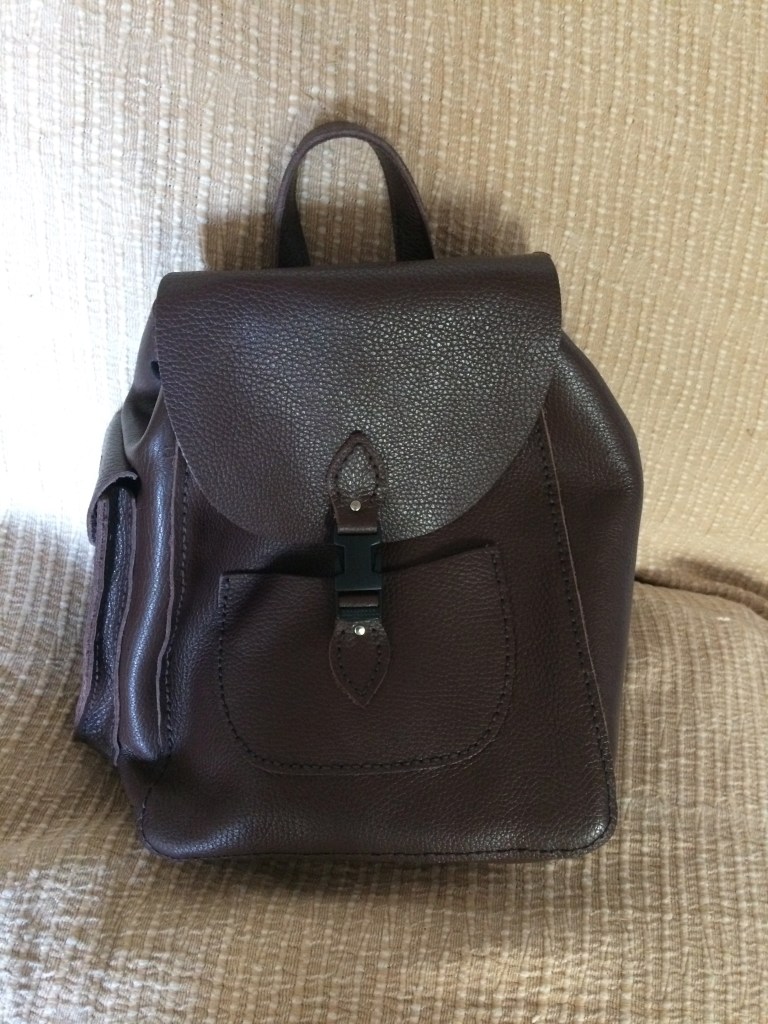
Lovely, quality leather bag sewn by me! OK, the pieces were all cut out with stitch holes and foolproof instructions. Nevertheless I feel creative pride in making this birthday gift into something I will use and enjoy for years and years.

I would definitely make another bag from Simple Way; just musing over the catalogue…


Easy project, use lightweight cotton.
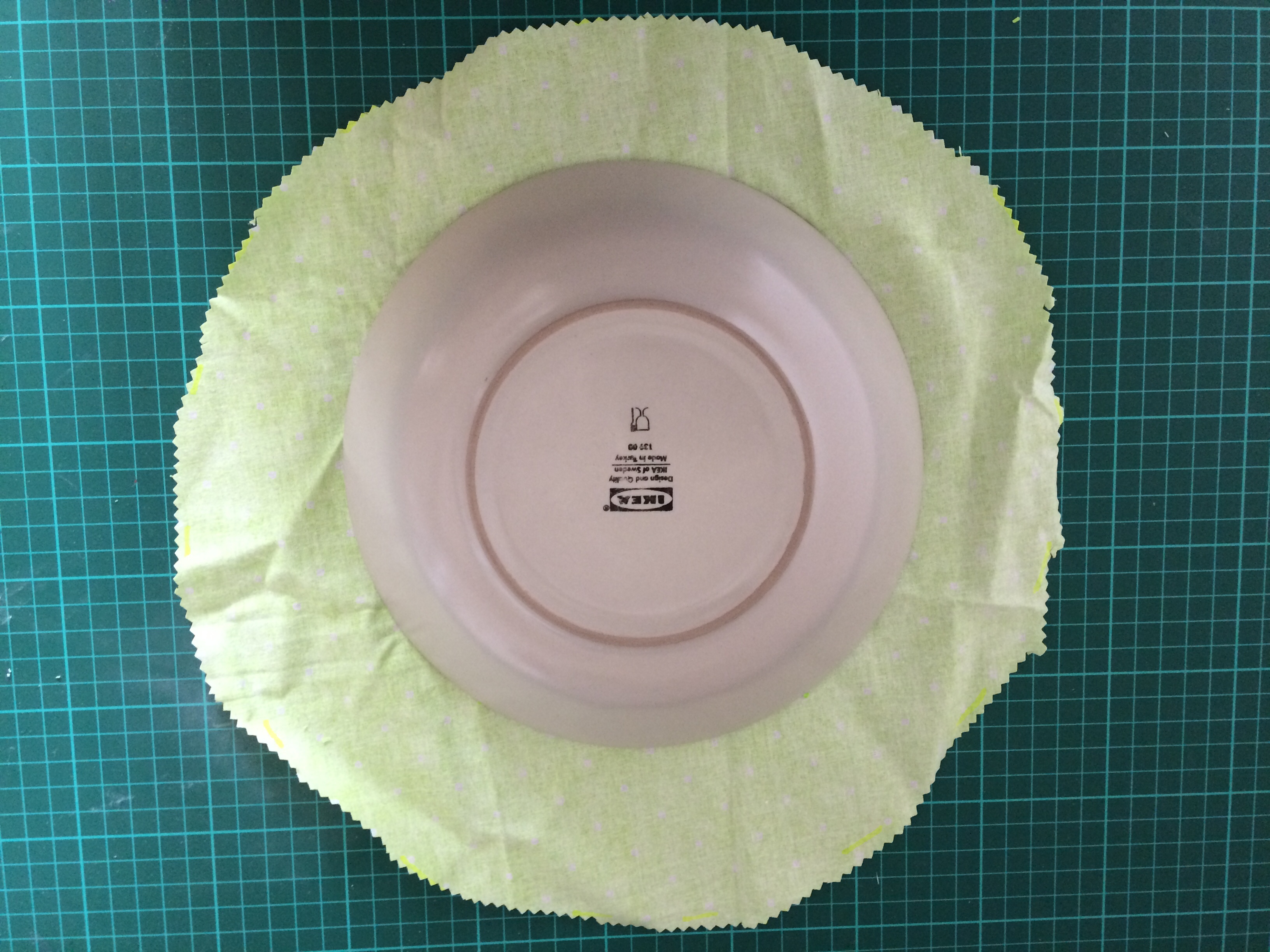
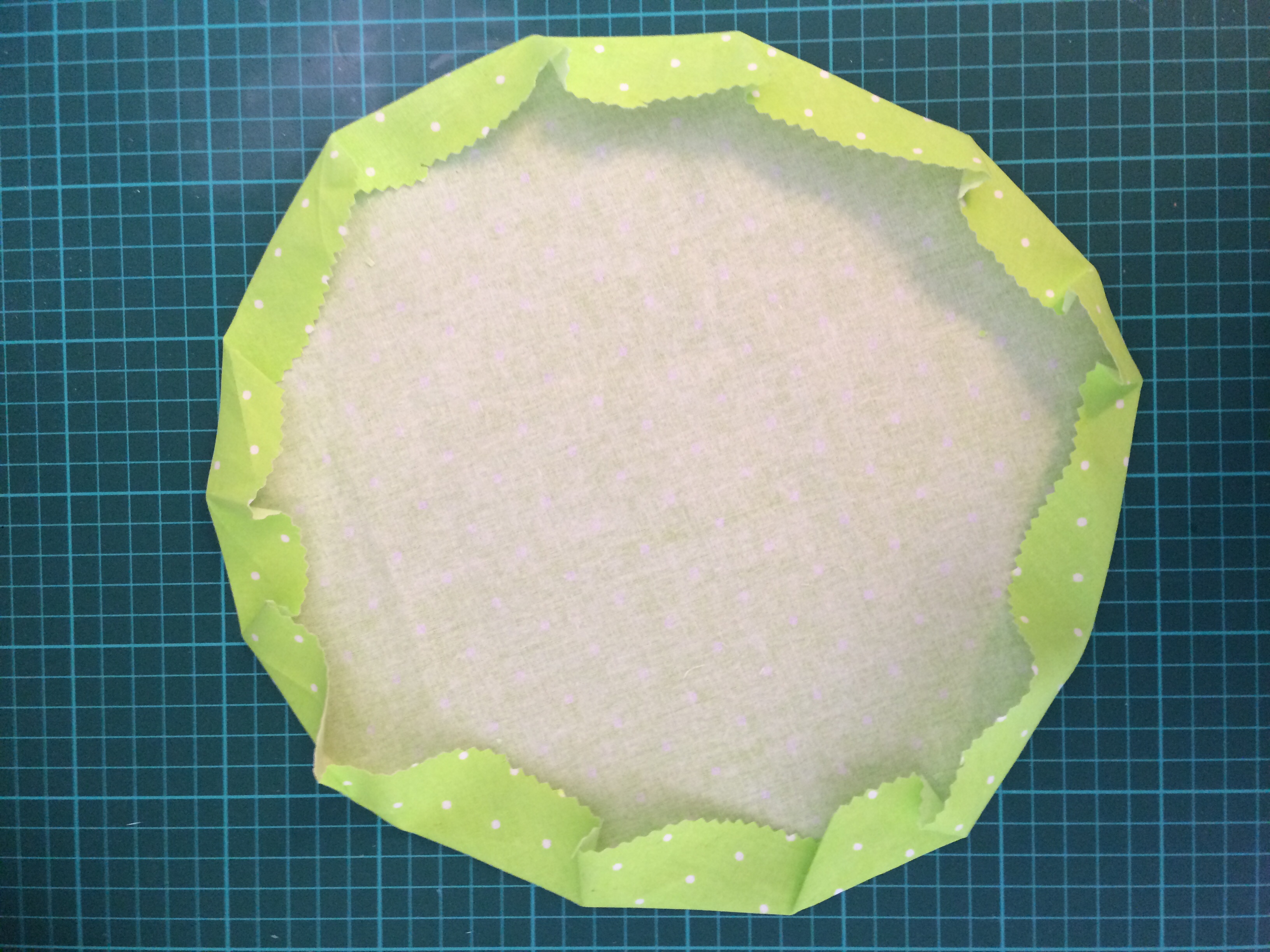
Cut a circle around the intended bowl two inches away from the rim. I use pinking shears to avoid fraying
Press over a hem of about an inch (lots of tucks and folds).
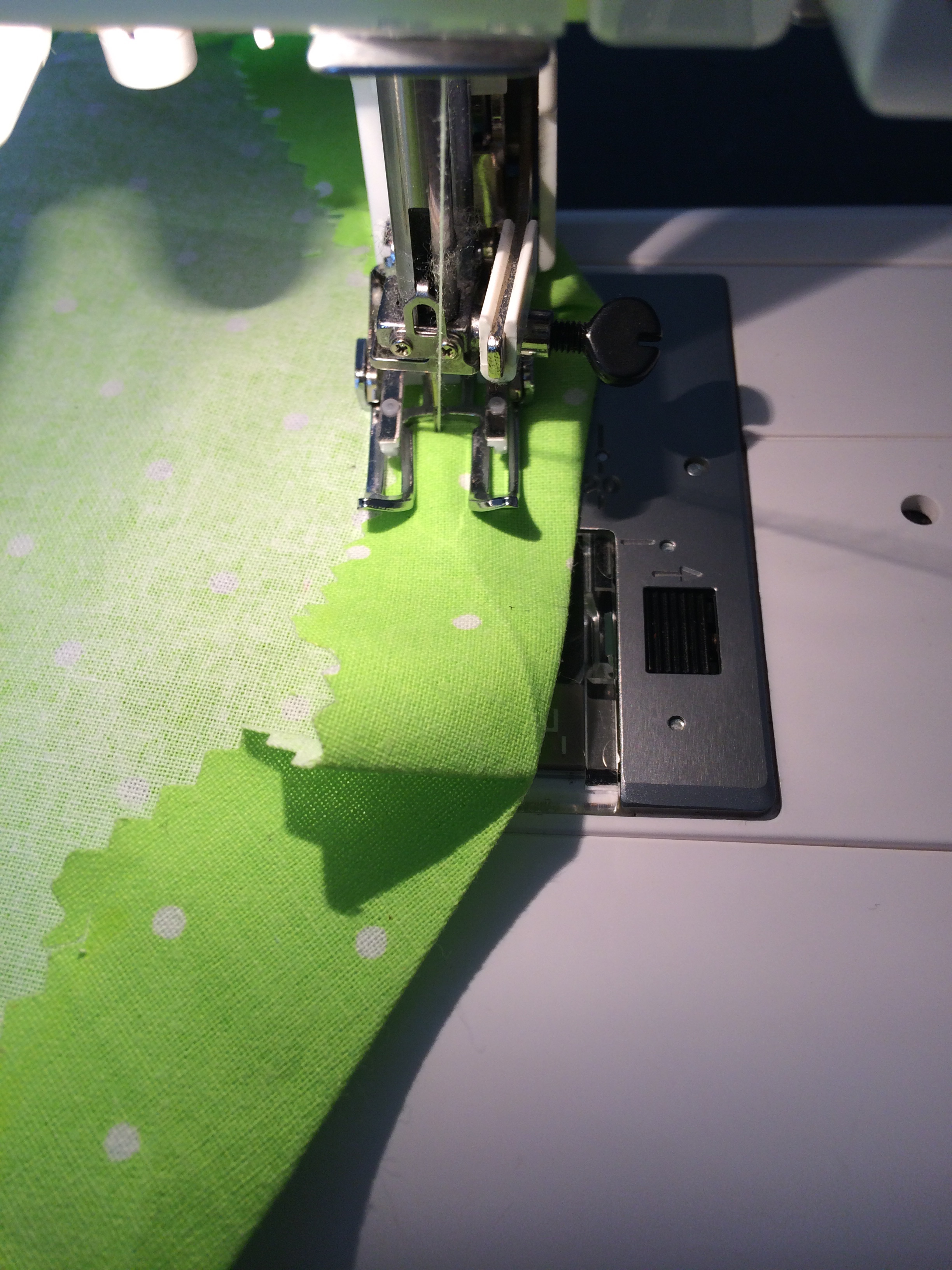
Sew around the hem. This creates a channel for the elastic. Leave a gap of a couple of inches.
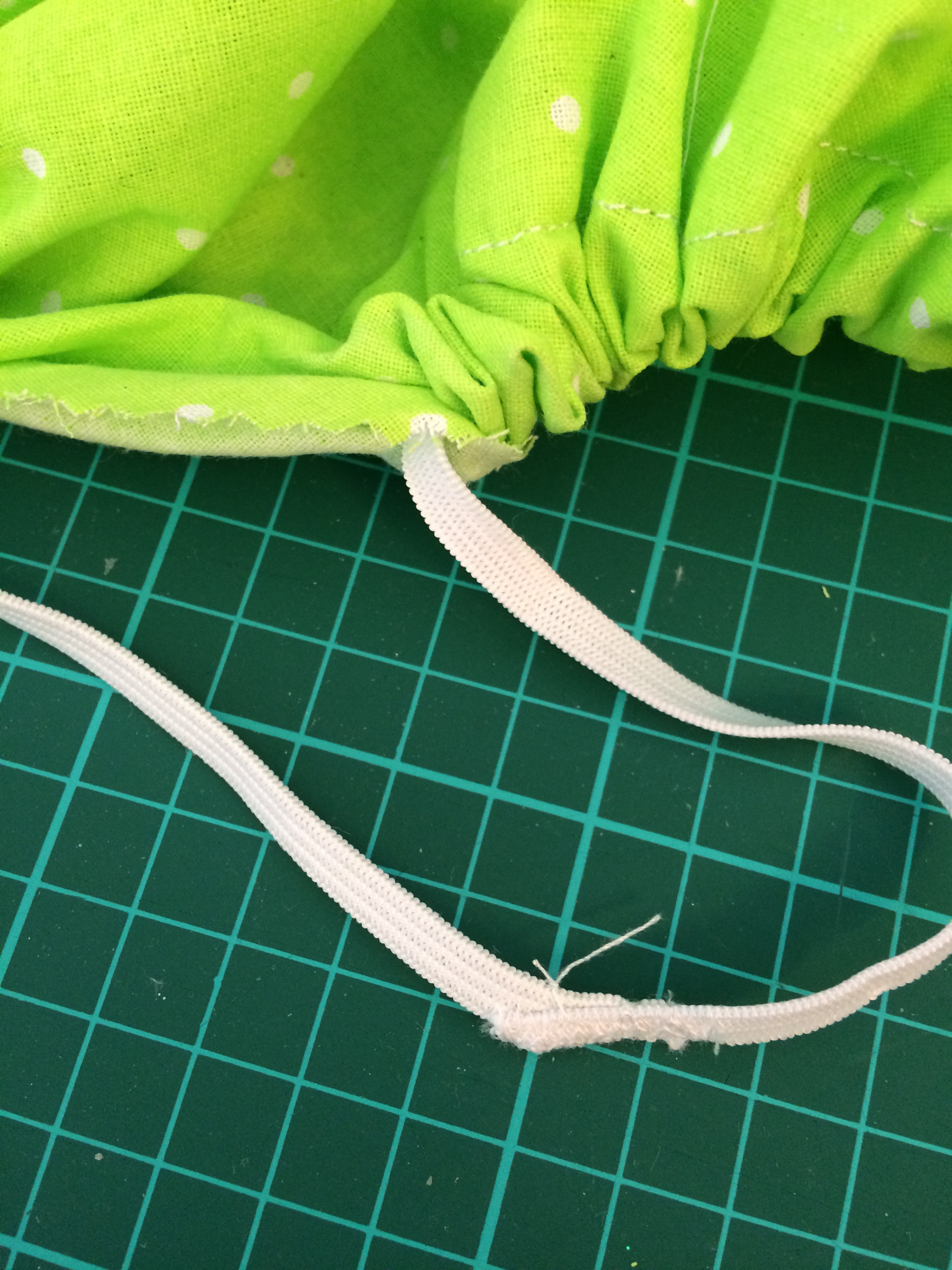
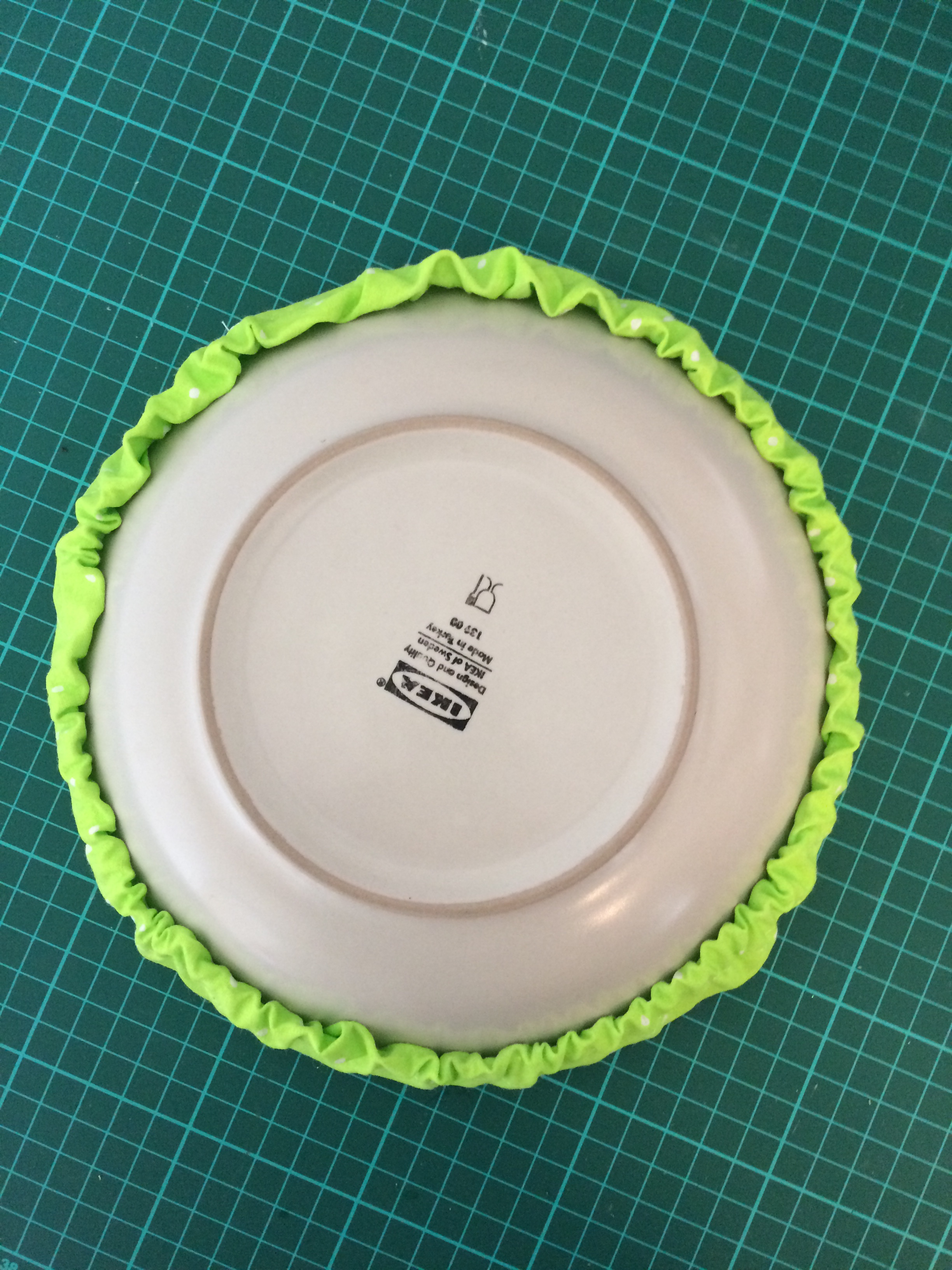
Cut elastic an inch longer than a snug fit length around the bowl. Stick a safety pin through the elastic and thread it around the channel. Fix the safety pin through the other end of the elastic to check the fit. If ok, Zig zag over the overlapped elastic and finally stitch up the gap in the channel.
Surprisingly easy to learn this technique, but it does take quite a while at the sewing machine
Cotton washing line rope is coiled, pinned and then secured with a zig zag stitch. The coil grows as big as you choose then to create bowl sides you lift the coil as you zig zag.
For this set I wrapped scraps of fabric around the rope at random intervals.
Ideal for kitchen keys, bread or fruit bowls…might try some place mats and coasters next time

This is a simple pattern to make for yourself and a quick, simple sew too.
Sketch a mask shape on paper, cut it out and hold it over your eyes to check the overall size. Best to make it slightly too big than too small and to have a flattish top and a more marked indent at the bottom where it sits on the bridge of your nose.
Fold the shape in half and trim to make it symmetrical.
Pin your paper on to two pieces of cotton (or fabric suitable to rest on your eyelids) and cut around leaving a 1/2” seam allowance, then pin the paper on some felt (or batting) and cut around that more tightly so your fabric outers are bigger than the felt
Stack the fabric with the two outsides facing and then put the felt on top, I stuck my felt in place lightly with a few dabs of fabric glue
Cut a piece of elastic that is long enough to go round the back of your head from outside eye socket to other outside eye socket. Place the elastic with about an inch sticking out over each side of the fabric stack and pin each end (this is enough to make the elastic stretch without being too tight).
Sew around the mask leaving a gap for turning (I left mine at the flat top), if your elastic is thin it might be worth sewing and reversing at each edge as you go over it.
Turn fabric out and poke out any caught seams before top stitching all the way round- this closes your turning gap and further strengthens the elastic fastening
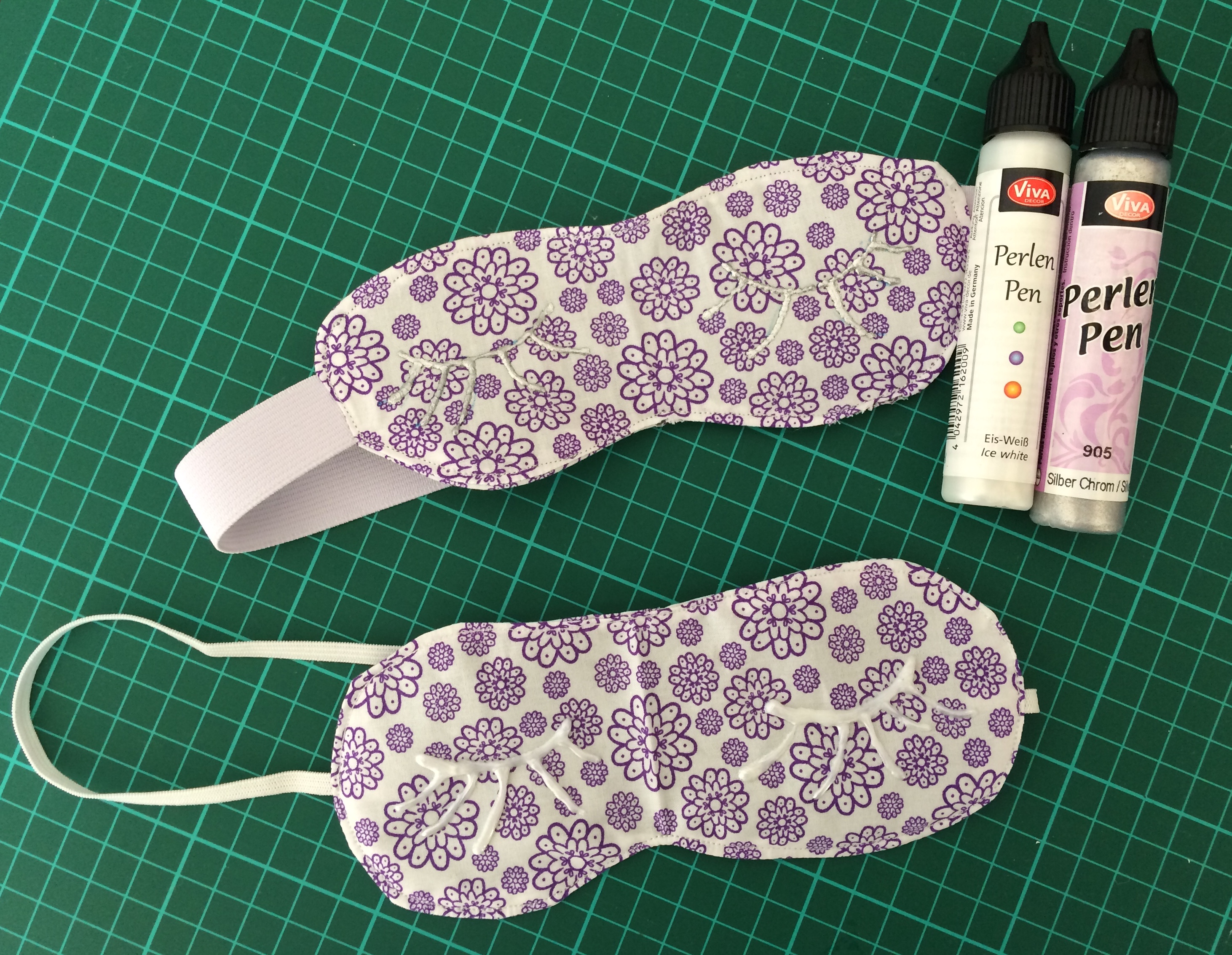
I decorated mine with exaggerated eyelashes using a pearl pen (don’t think it is waterproof but twas a quick finish)

‘Snap’ was a local word for packed lunch in Nottingham/ Derbyshire when I was living there many, many years ago. So these lunch bags fastened with Kam snaps had an obvious snappy name.
I used remnants of vinyl from an Amazon job lot which meant cutting front and back panels to use the fabric best. If you have a plasticised tablecloth or even a heavy duty shower curtain to upcycle that would work well.
Because the remnants weren’t squared, one of the sunflower bags has an angled flap which needs three snaps to keep it closed well. But because the colour of the snaps is a positive (there were about 20 sachets of different colour snaps in the beginner set I bought) it makes the end result better in a quirky way.
While the snaps were out I made a small lined bag (angled flap and 3 snaps again) and turned the cuff end of a shirt sleeve (left over from last week’s laundry bag make) into a phone holder to avoid scratches when it is in my bag.
to make: cut vinyl into required shape (back bigger so the flap folds over)
with right sides facing sew round the sides and bottom – use a long stitch length to make as few puncture holes in the vinyl as possible and don’t do too many back stitches at beginning and end or the vinyl will be too holey and might tear when in use.
trim seam allowance and clip the seam really close to the stitches at the corners before turning right sides out – the clipping helps neaten the corners as vinyl is quite bulky.
fold the edges of the flap over and seam these in place, on one of the bags I used zig zag for this to hide a blooper I had made.
position the snaps or you could use Velcro to finish the bag…

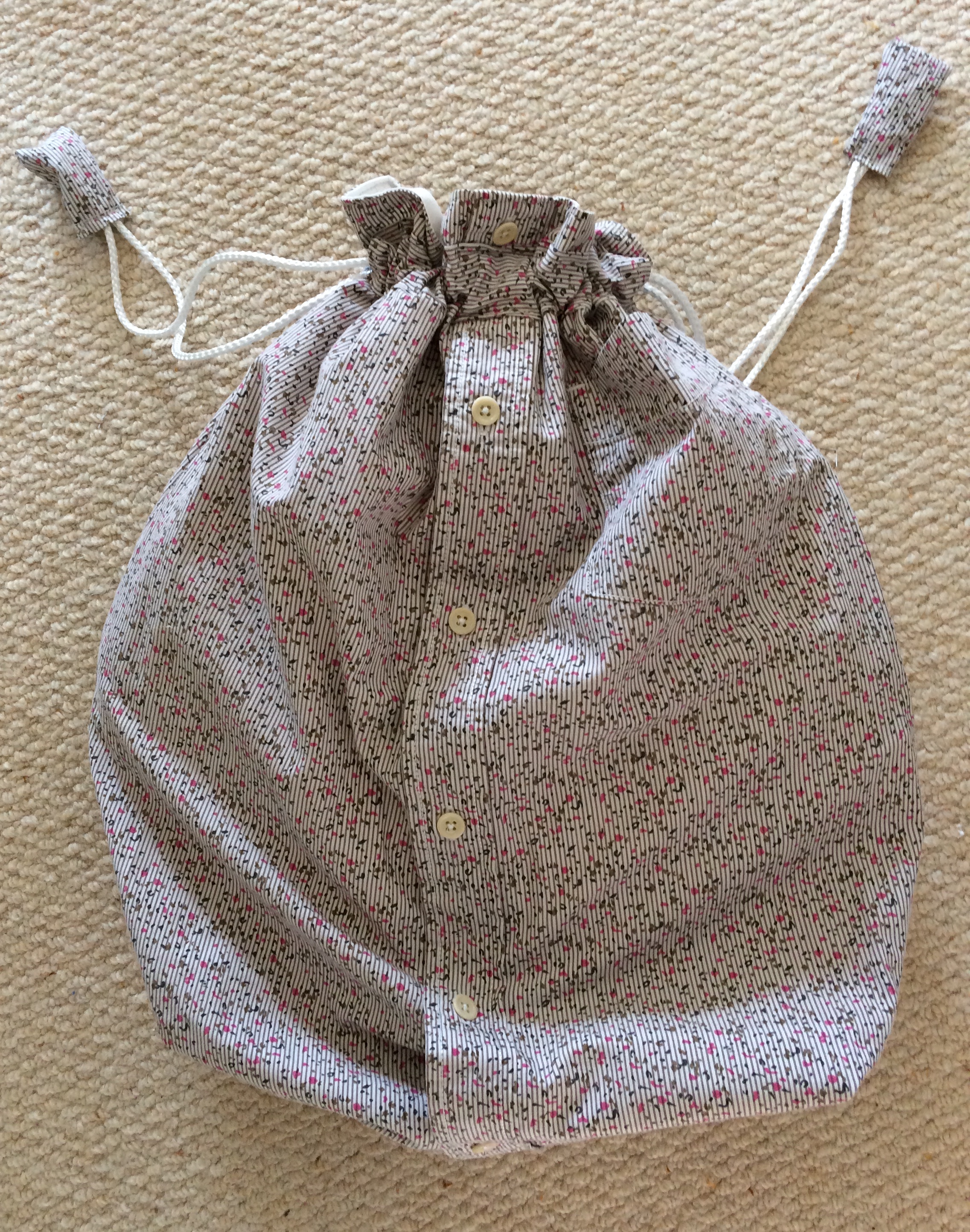
Thanks to Edward for finally clearing out his aging shirts. The less lovely patterns will be used to line projects but this shirt is worth using on the outside
I decided to keep the placket (learnt that word from Sewing Bee) so just chopped off the collar and sleeves leaving equal rectangles. (I unpicked a dart on the back but this really wasn’t necessary).
I then cut two matching rectangles from lining material (I am finally making headway into the old duvet cover that is flattering up my fabric stash/jumble).
To make a drawstring tube, I cut two strips of fabric from the remnant about 10 inches by 4, hemmed the short ends and ironed under about an inch on the long sides before stitching the long ends a couple of inches down from the top of the outside of front and then back of the shirt
With right sides facing I hemmed the sides and bottom of both shirt and lining (leaving a gap for turning in the bottom of the lining. I boxed the corners with a 2 inch box cut out but this isn’t necessary.
I then turned the lining right sides out and sat it inside the shirt bag. I pinned the tops of the bags together, matching the seams and smoothing out any wrinkly bits before hemming all the way round.
I pulled the shirt through the gap in the lining, stitched the gap shut and then pushed the lining back inside the bag. I ironed and top stitched around the top hem before threading cord loops through the drawstring.
This is an easy project as the shirt front does all the style work needed. I didn’t even stitch the two sides of the front together, just left them buttoned up. This means the user could tuck things between front and lining if desired. And that’s in addition to the original shirt pocket on the front. I did put fabric tabs over the cord ends to use up some of the little remnants but it’s really not required.
Perhaps this is too good for a laundry bag!
On another version I tried using the sleeves to shape the bag by cutting just inside the shoulder seam. It made the bag slightly wider but a bit more fiddly and saggy when finished.
While the felt and googly eyes were on the table, I remembered this Pinterest inspired ‘to do’.
In practical terms, bigger is better – this one wouldn’t hold many coins, but I was pleased at how easy it was to make from some of my Ali Express little felt squares.
I sketched the outline in pencil direct on the felt then cut it out on two matching pieces of cheap, stiff, nylon felt before zig zag stitching around the coin slot and edges. The googly eyes were stuck on with collage medium.
It might be fun to make a suitcase or flag shaped one for someone saving for a holiday; car shaped or Christmas tree shaped or …
Four pages from a proverbs dictionary and a few moments at the sewing machine…
glue pairs of pages together at the very edges (so you don’t get glue on the needle later on)
trim one set down by about a third for the front and chamfer the edges of the back set so you can later fold it over
if decorating now is the time to stamp or stick, here I stamped in black then outlined with distress crayon which makes it look layered
sew across the top of the shorter front piece, clip front and back together (don’t pin or you will make holes) then sew all the way around the edge
now fold over the flap
when you have filled the envelope you can seal with double sided tape or a glue dot as you choose