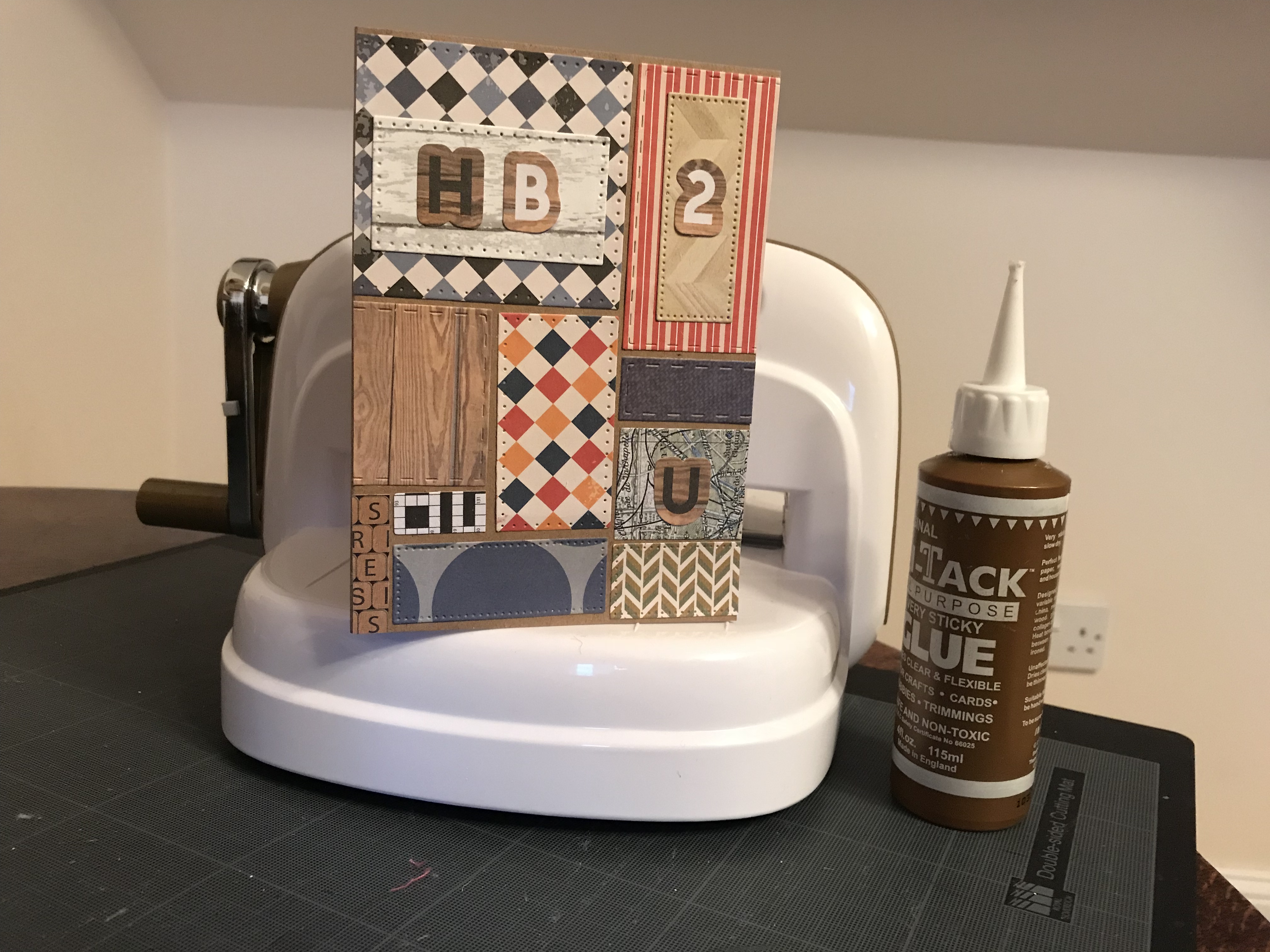
10 cards to reduce the stockpile- a bit

I must i must decrease the stockpile and here are 10 cards to make a start

i have already used the craftwork cards antiqued set and accessories quite a bit but these are very generous kits

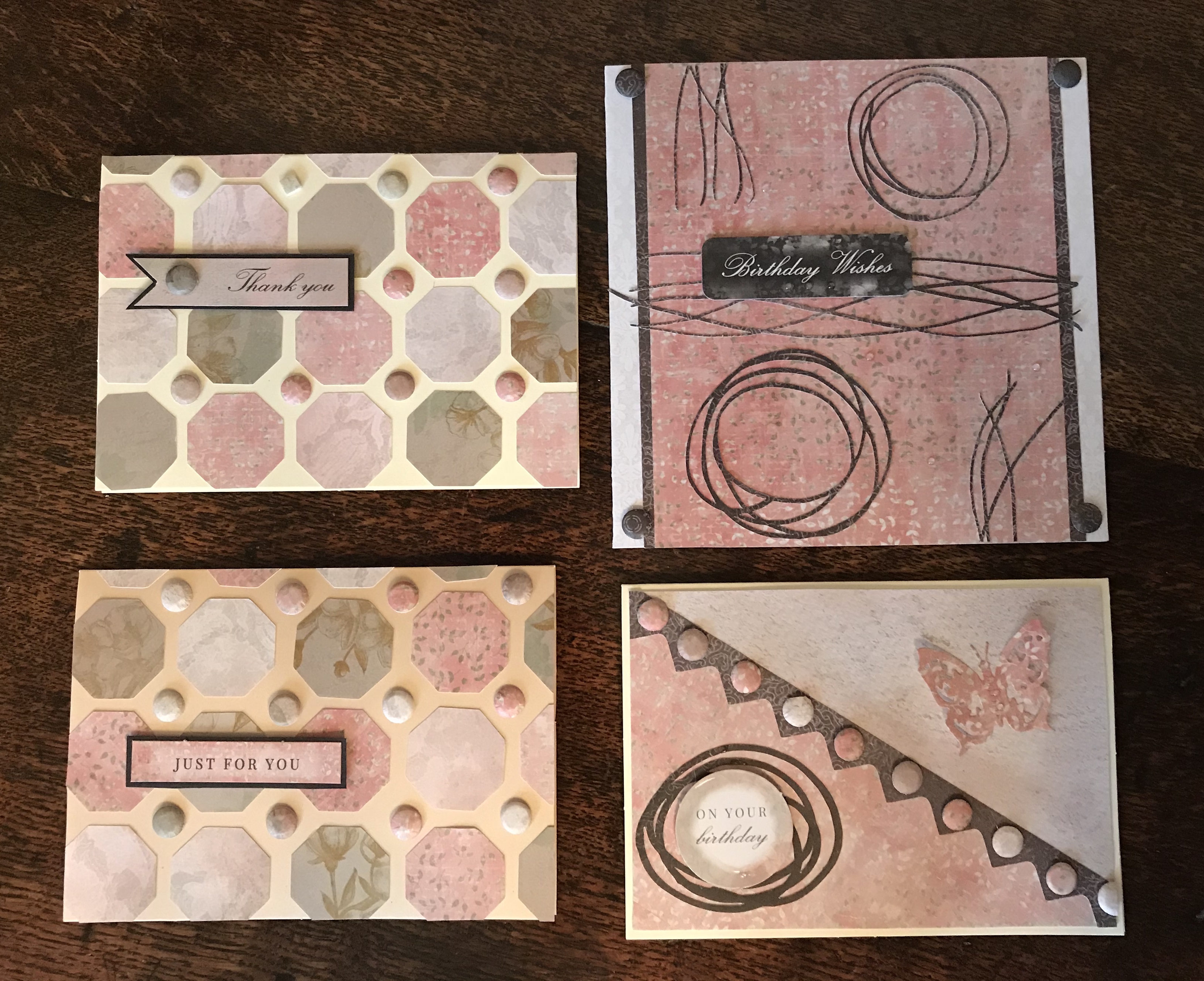
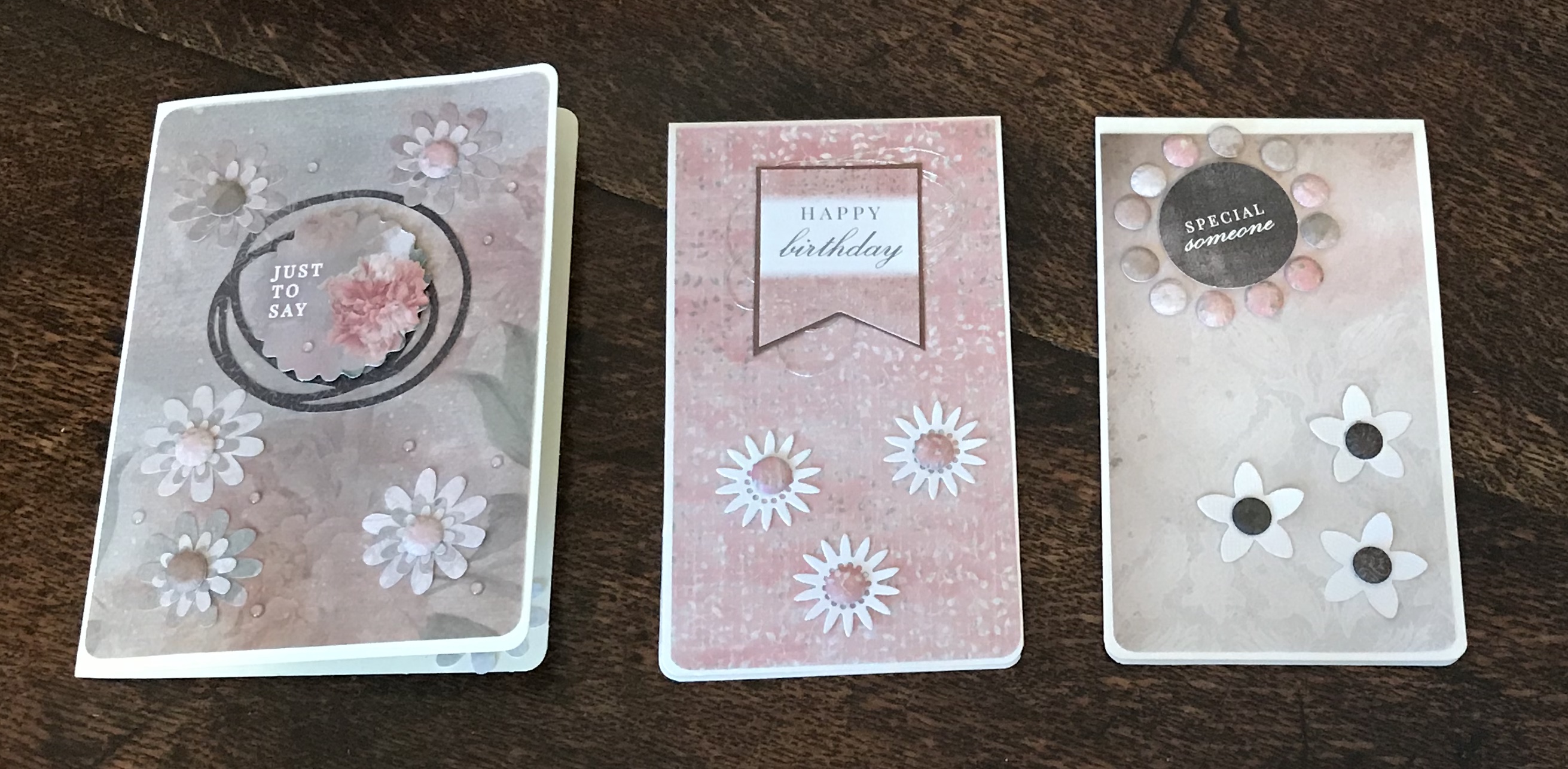
Three cards on craft card blanks . 

two use tags from the kit and one layered die cuts . I die cut the sentiment twice to make a drop shadow

Scan n cut put to use here here with the octagon layout and a free svg of some doodles for contrast

tip for next time, octagons don’t tessellate or mosaic togetherlike hexagons would, but here studding with the Candi worked out fine

And using up my die cut flowers …

ten simple cards done in one afternoon but there are still 21 untouched pages of paper in the kit. So much paper left to play with.

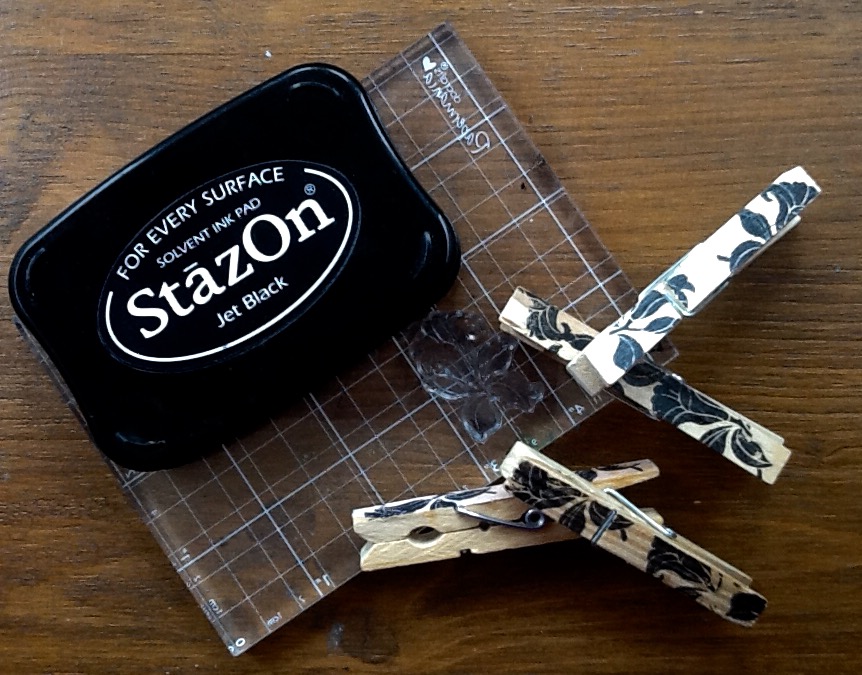
Decorated pegs

Makes a useful,  basic and inexpensive tool just a little prettier…

Plain, wooden clothes pegs are useful in the craft room for box making, clamping glued items and stacking papers as well as storing cords and fabrics

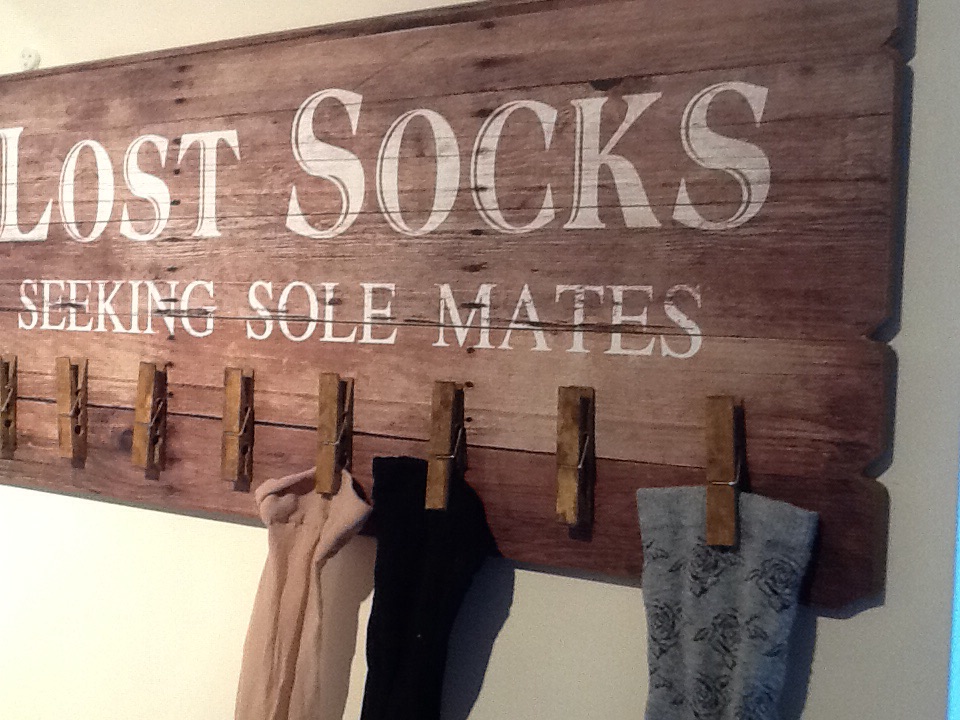
Glued on a shelf in the utility room they are great for holding odd socks until their ‘sole mates’ re-appear or holding dog leads out of the way

And in the kitchen they keep packets and bags closed to stop spills

Functional is good but prettified and still functional is even better, so a stamping session took place this week.

Prettified, these pegs will also add a final, rustic touch to attach a tag and close a gift bag.

Maker’s tip: I used a floral stamp and placed it on an acrylic pad, took the ink pad to the stamp and then rested the peg on the stamp to get the right position. It is easier than trying to balance the peg on a work surface then tap your much bigger stamp on top of it.

Use the right ink to avoid smudges and stains- I used stazon – or découpage pretty papers with something like modpodge to keep them durable…

quick cut cards

Precisely cut cards using my stash of lovely papers

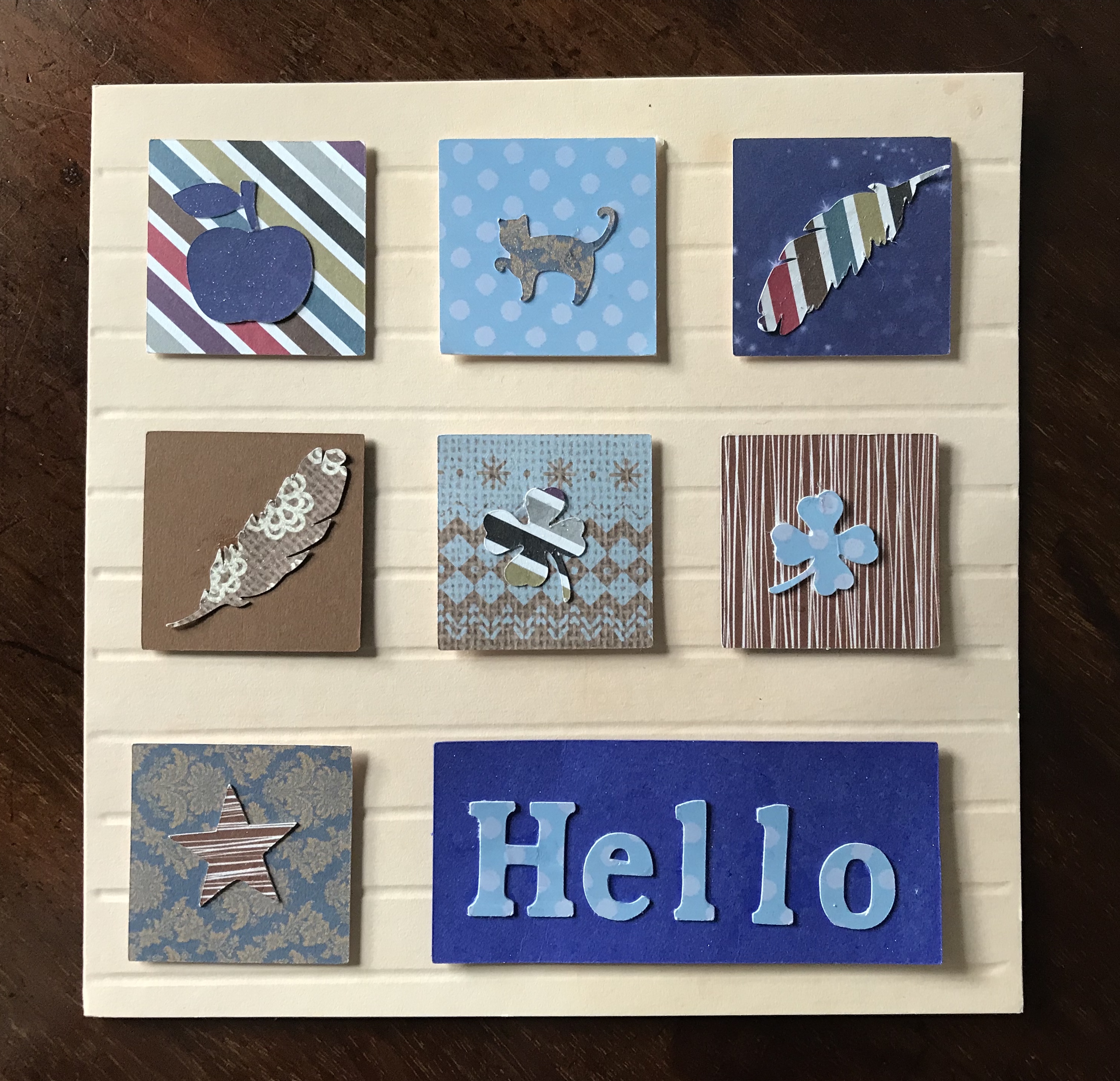
The ‘hello’ card was made with 7 equal squares and one double size from assorted papers with little motifs from the scan n cut library to embellish them. The card base was dry embossed at half inch intervals and then the panels mounted on fun foam and then adhered in place.

I found it easiest to position the small corner pieces first , then the large piece and then centring the remaining pieces afterwards. The embossing helped with alignment

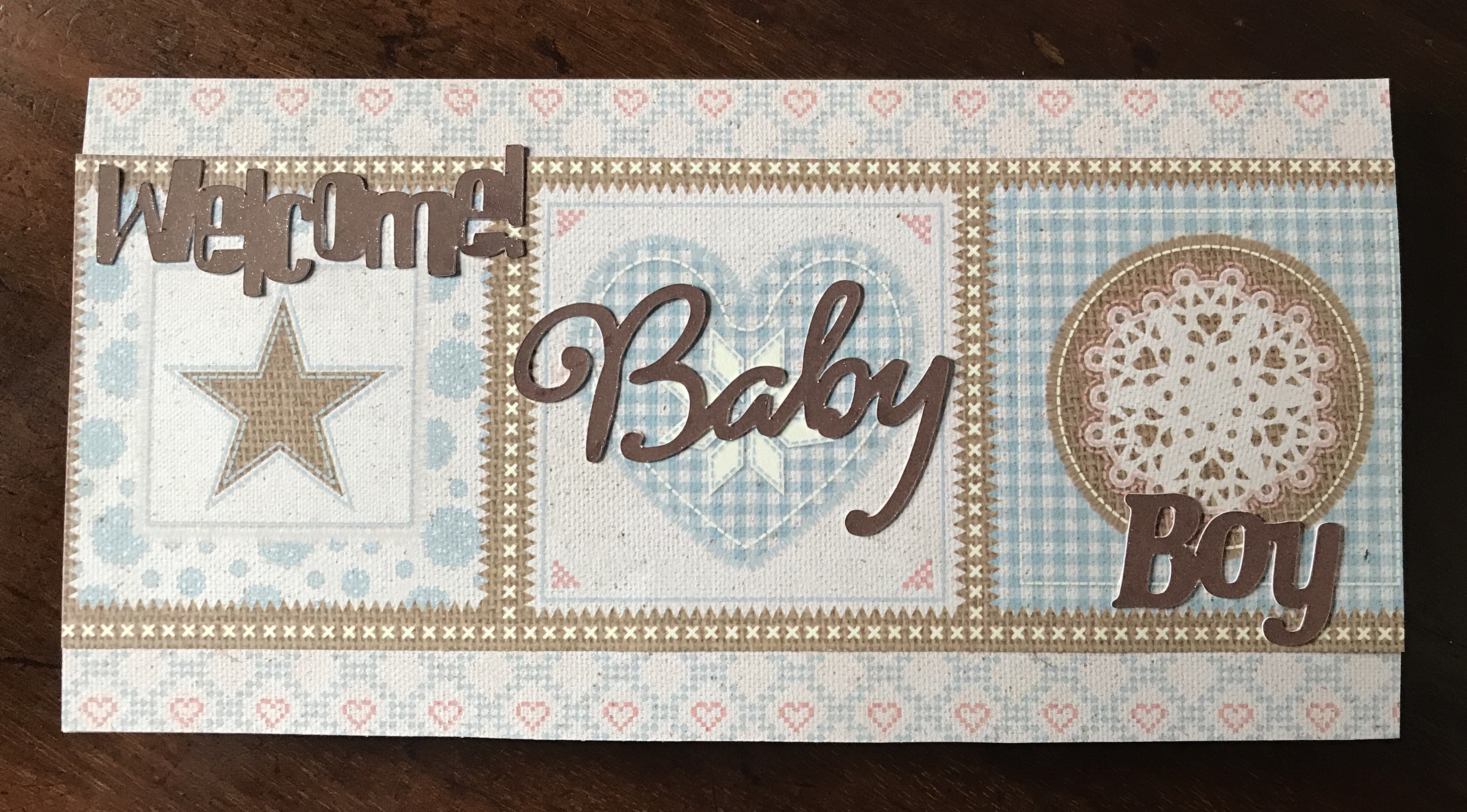
For the baby card I used the Docrafts papermania pastels craft collection paper. I covered the card base with the small hearts paper, stuck a strip of the large icons paper centrally over it and then cut words in different fonts from brown card for the greeting.

Inside I stuck two hearts and a footer strip from complementary papers from the pad – keeping towards the blue tones. To finish I brushed the greeting with Wink of Stella glitter.

Distress watercolour thank you

First steps in watercolour folloing a Crafts Beautiful outline determined to expand my techniques so used the freebies and copied a layout from the march issue …

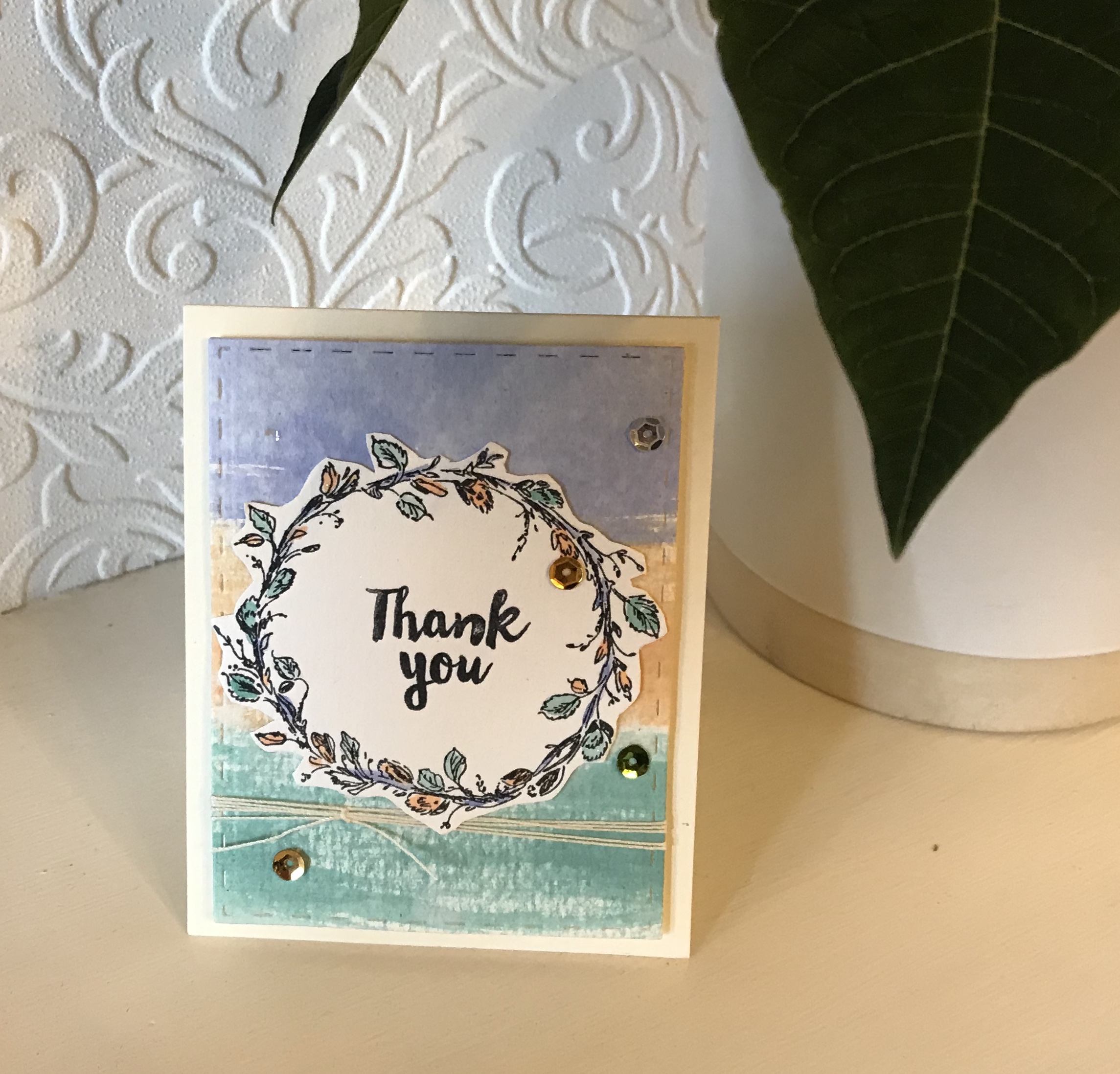
I stamped the wreath and greeting with stazon on watercolour paper then cut an A2 panel of the same watercolour paper. I dug out three colour of distress inks and tapped each on an acrylic block to use as a palette) . I misted the paper and the block with water then brushed bands of ink across the paper using the largest brush I had in the craft room. I then cut the panel with one of my stitched rectangle dies, tied some jute coloured thread around, mounted it in fun foam and stuck that to an A2 card base.

I fussy cut the wreath, water coloured the design using the same three distress inks ( I don’t have a water brush so used an ancient wink of Stella to pick up the ink remnants from the acrylic block) . I stuck that on the panel and added a few sequins in the same colour range for finish

inside the card is blank

Stitched and embossed cards

01DD108B-3A2A-4B55-9697-B7916EC6AE81

Back in love with individual card making…

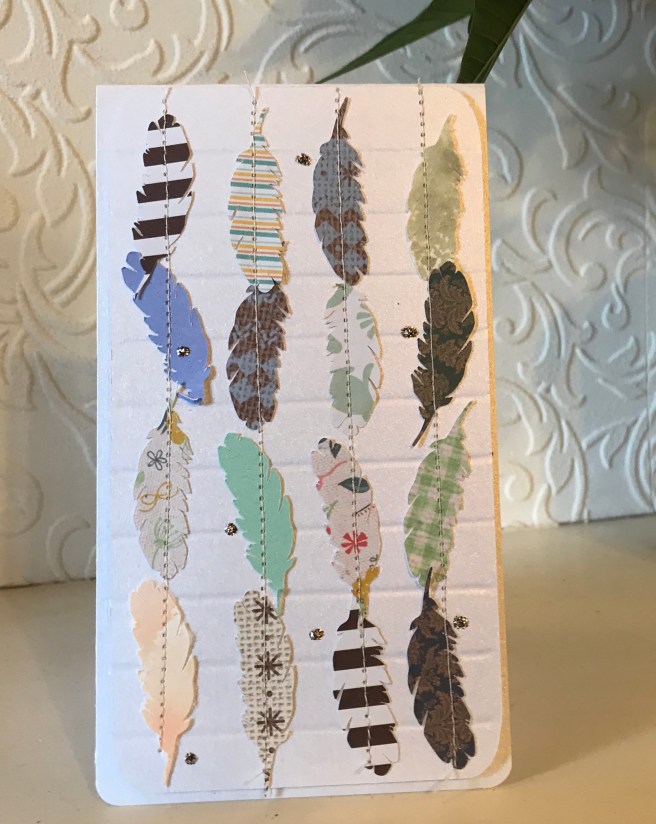
I cut feather shapes on my scan n cut, mixing scraps from various paper collections focussing on green, brown and blue.

I dry embossed my panel of card at half inch intervals on a score board then stitched on the feathers in columns.

I used a neutral cotton and an old needle which is kept for paper stitching but didn’t need a special foot or stitch settings.

3E4C49C0-F9FE-46ED-B461-B099CF71EB68

The panel was stuck on a base made from matching pearlised card and a few sequins adhered

Inside a lone feather was glued in place on a plain paper insert and outside a few dots of gold Stickles finished it off.


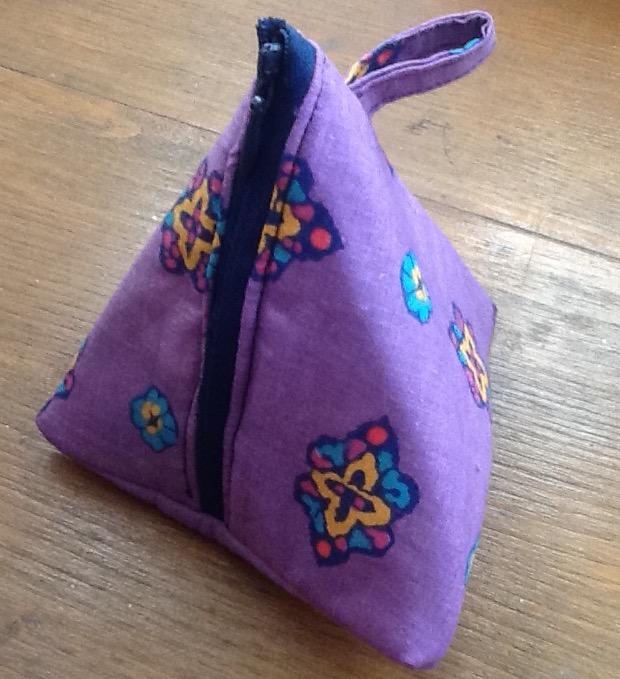
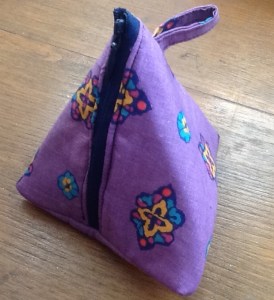
Pyramid pouch

Easy zip sew.

fabric 10” x 5” with matching lining piece and batting or fleece, zip at least 5” long

optional 4×2” fabric folded lengthwise in quarters and top stitched to make loop

method;

1. fix fleece/batting to outer by fusing or quilting

2. Pin zip between one short end of outer ( pretty side of fabric facing top of zip) and lining fabric  and then sew in place using zipper foot. Repeat other short end to form a tube.

3. turn fabric tube with outer side showing and top stitch either side of zip to keep fabric away from the teeth

4. switch to normal foot, turn tube inside out with zipper positioned half way, if using pin loop inside and sew bottom edge of tube closed then trim seam close – also trimming excess zip – then zig zag over seam edge to tidy

5. twist fabric so zip is the side of tube. Pin or clip remaining raw edge and open the zip (or you won’t be able to turn fabric) then straight stitch, trim seam close to stitch- cutting off zip excess again- then zig zag up to, but not across, zip teeth

6. turn right sides out.

Done!
Curved zips and French seams

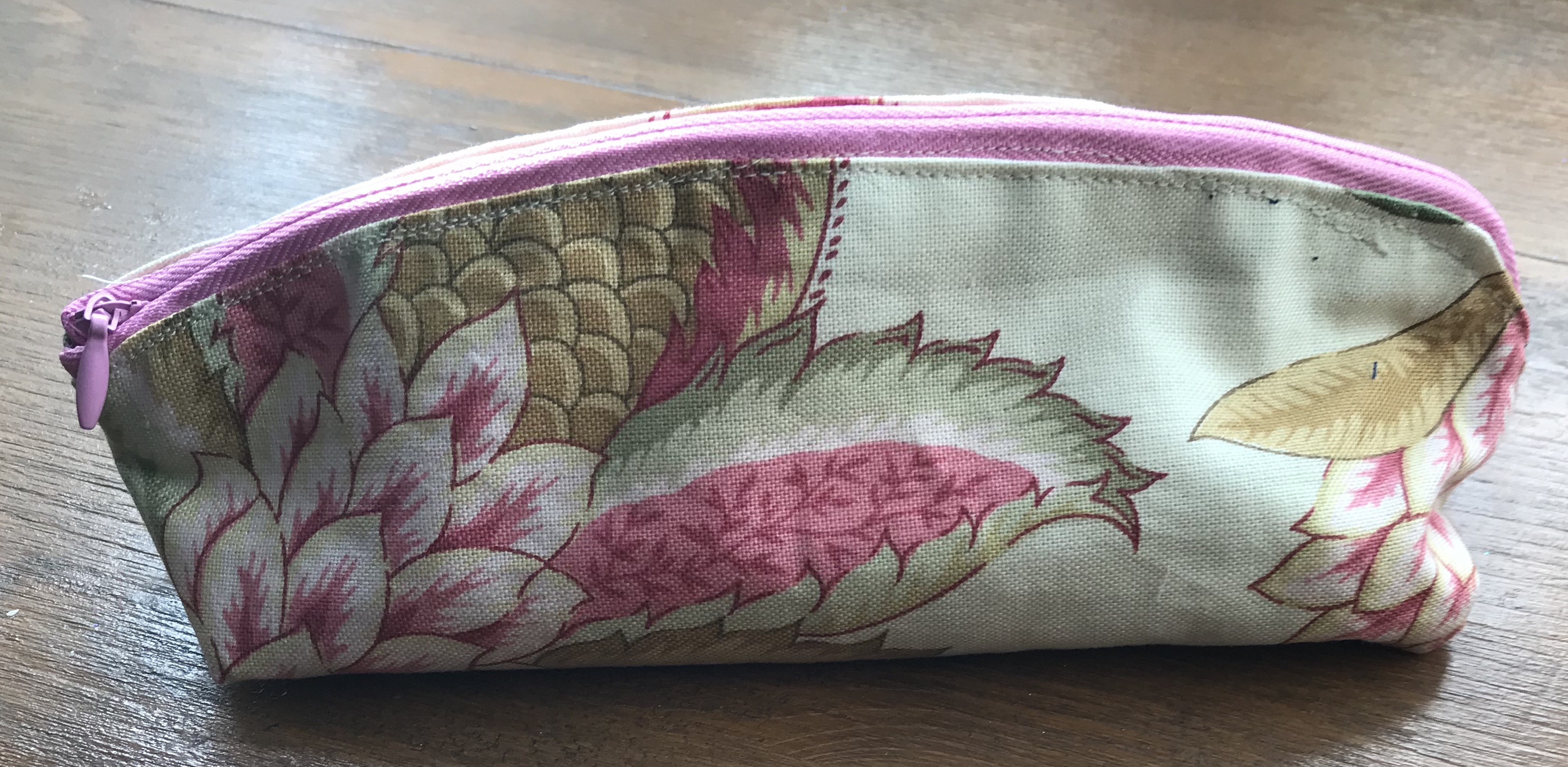
A learning project.

following the instructions from a borrowed fat quarter project book this was designed to be a pencil case but will now hold sewing notions as it isn’t quite good enough to give

the zip was hand basted to the curved seams and should have been hem stitched but I cheated and top stitched it with my zipper foot, I then put bag inside the lining and attempted to top stitch again over the same line, no joy but it doesn’t show tooo much

the box bottoms were French seamed which makes sense for this sequence of construction – and for the intended pencil case use and abuse of the lining, but can’t see myself abandoning my simpler form of zip bag making permanently

and the fabric was a page from an upholstery samples book that was scavenged for me, if just cotton might have needed quilting or stabilising

Zipping along

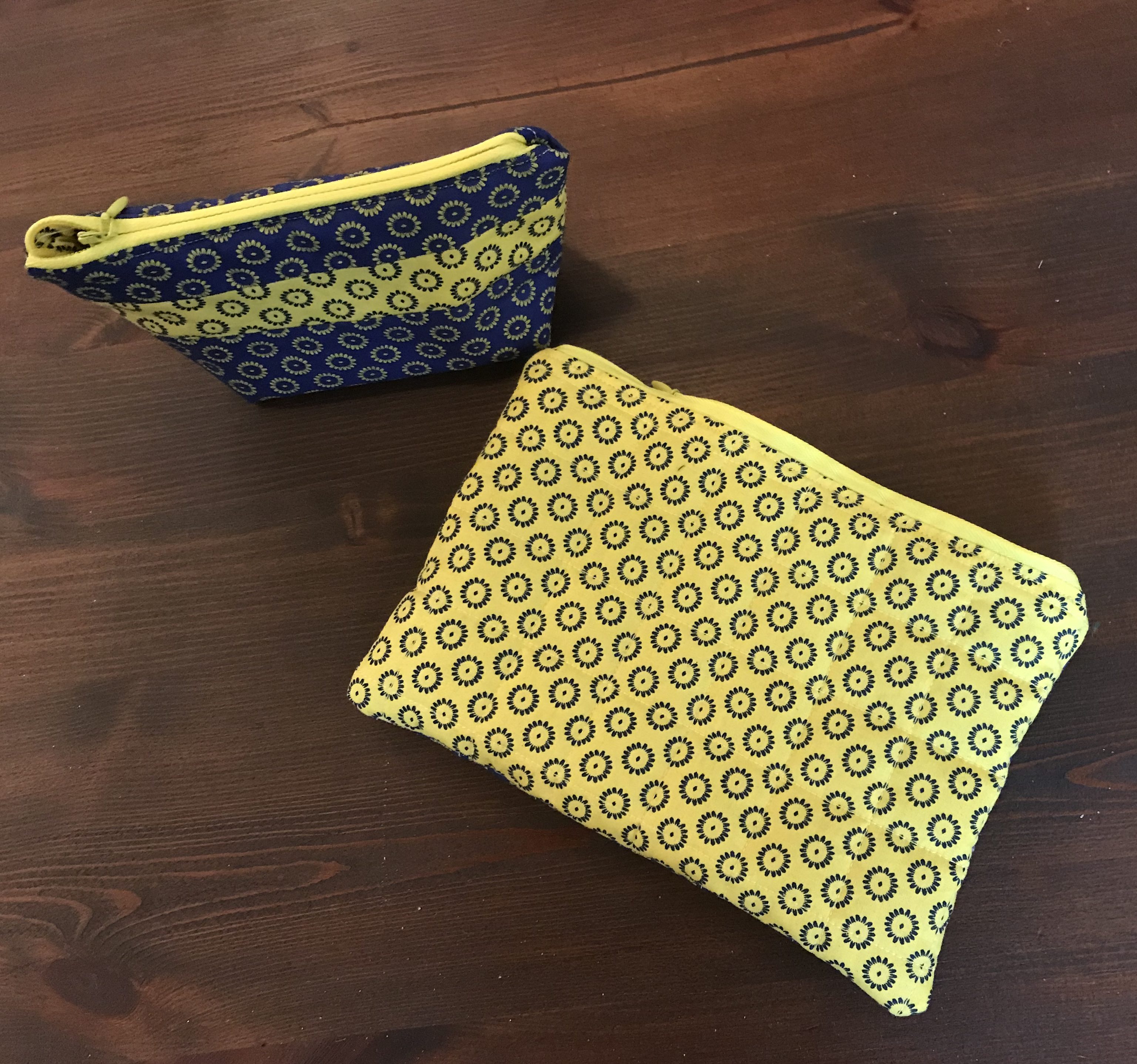
A bargain bundle of zips has inspired me to go for it and make a set of zip closed bags in different styles. As long as you remember to put pretty side of outer fabric up, top side of zipper facing it down and pretty side of lining facing down to make the zip sandwich lining it works.

The zipper foot has been out a lot and if I were more particular, reckon I could do them more tidily.

I put tabs on the end of some the zips to make the seams less bulky as I advanced, but these simple quilted make up bags with boxed bottoms are my favourites.