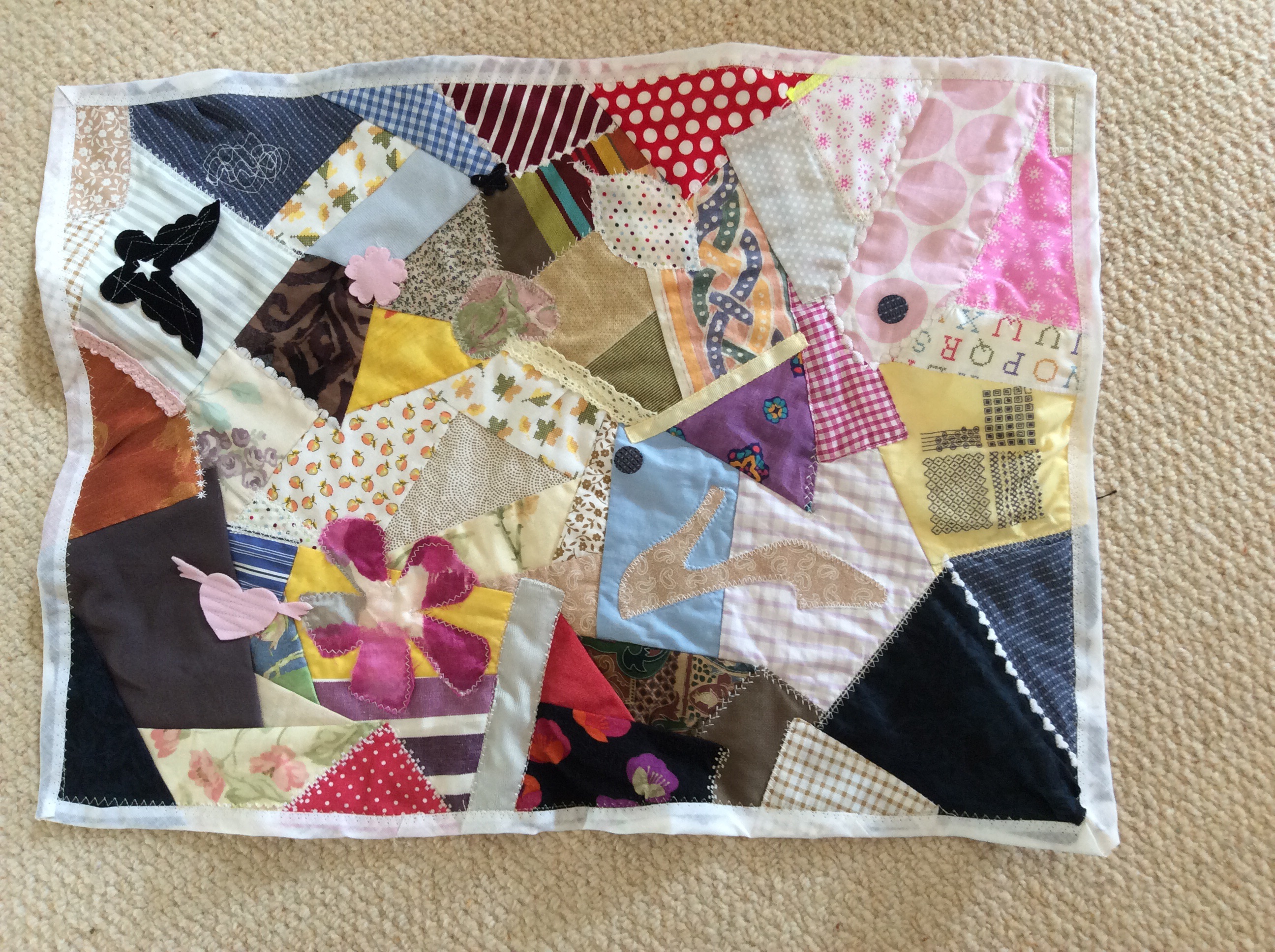
Crazy quilted dust cover

image image

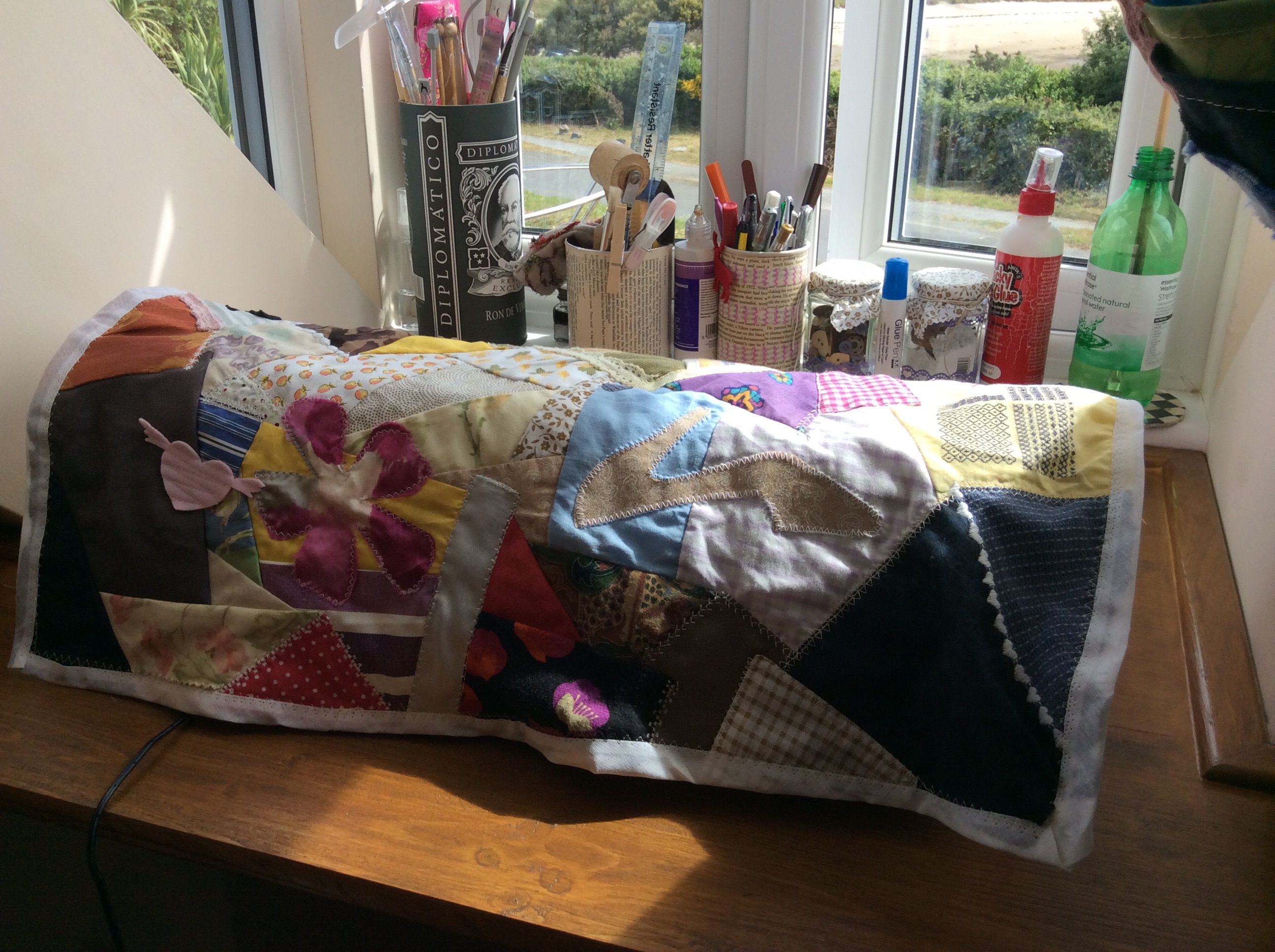
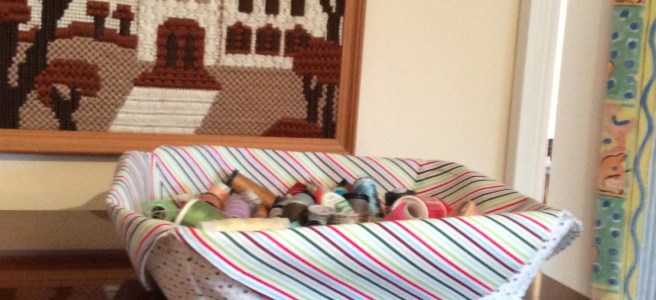
An attack on my scraps bag was needed so I I cut a piece of old tablecloth big enough to cover my scan n cut then crazy quilted scraps all over it. I included a piece of black work – yellow and navy  – embroidery started 20 years ago and added appliqué shapes, scraps of lace and ribbon and then used decorative stitches to tidy up some of the edges. A contrast bias binding finished it off (sewn back to front, whoops).


it may not be fitted and my scrap bag is still full but this useful little addition to my craft room is full of stitching memories, I love it.

Machine stitch sampler

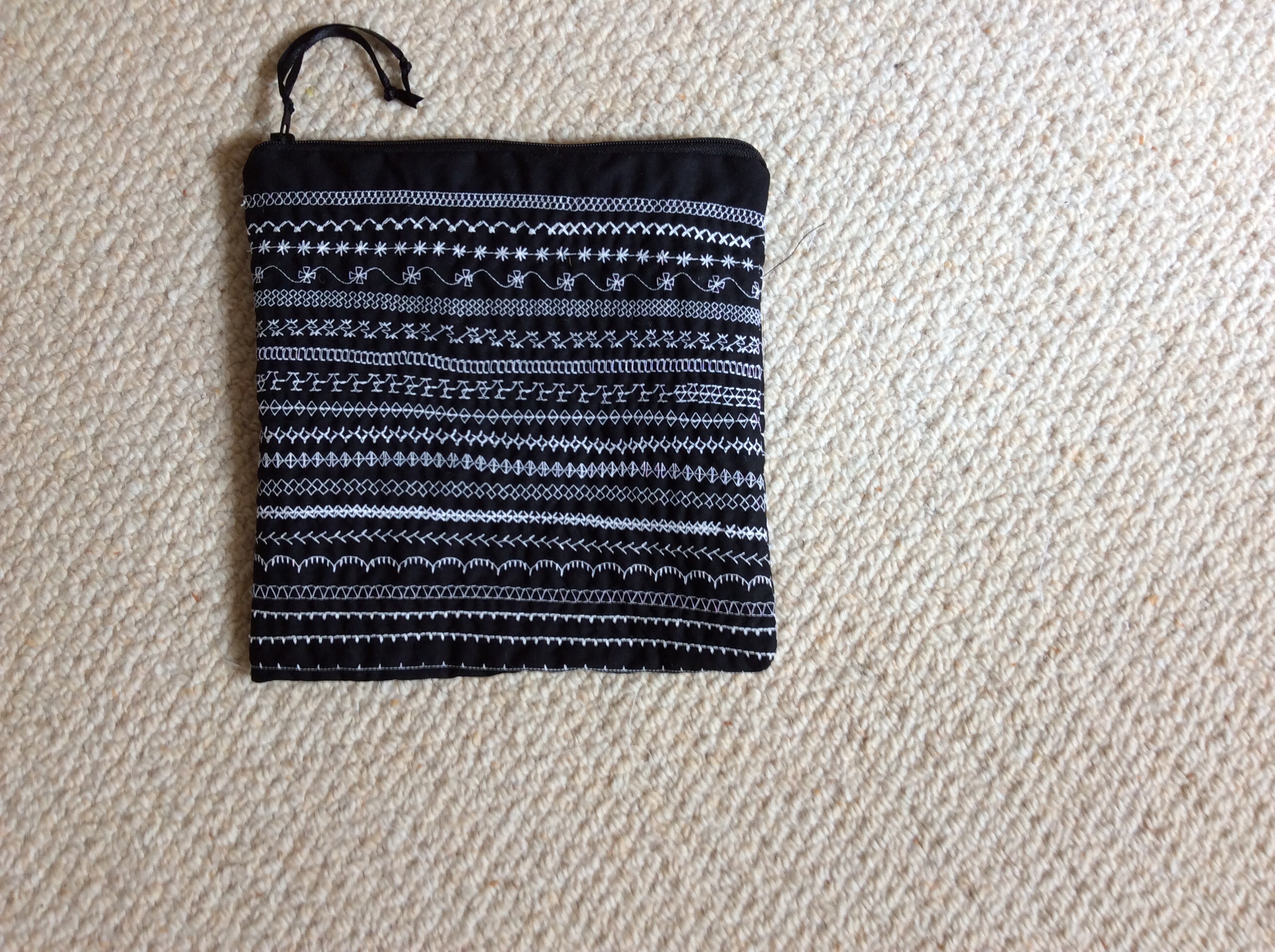
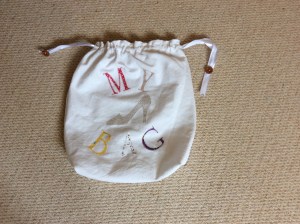
As recommended, when I got my Janome decor doc 3050, I made a stitch sampler. But rather than have a useless but decorative piece hanging around – I decided to make it into a bag to hold the presses feet and accessories.

image

main challenge for this was putting the continuous zipper together, I find threading the zip on tough despite following YouTube videos carefully. Nevertheless continuous zips make financial sense and are worth the fiddle. Maybe I will be organized and thread all the bits together before I need them ?

Appliqué bags, ScanNCut assisted

image image

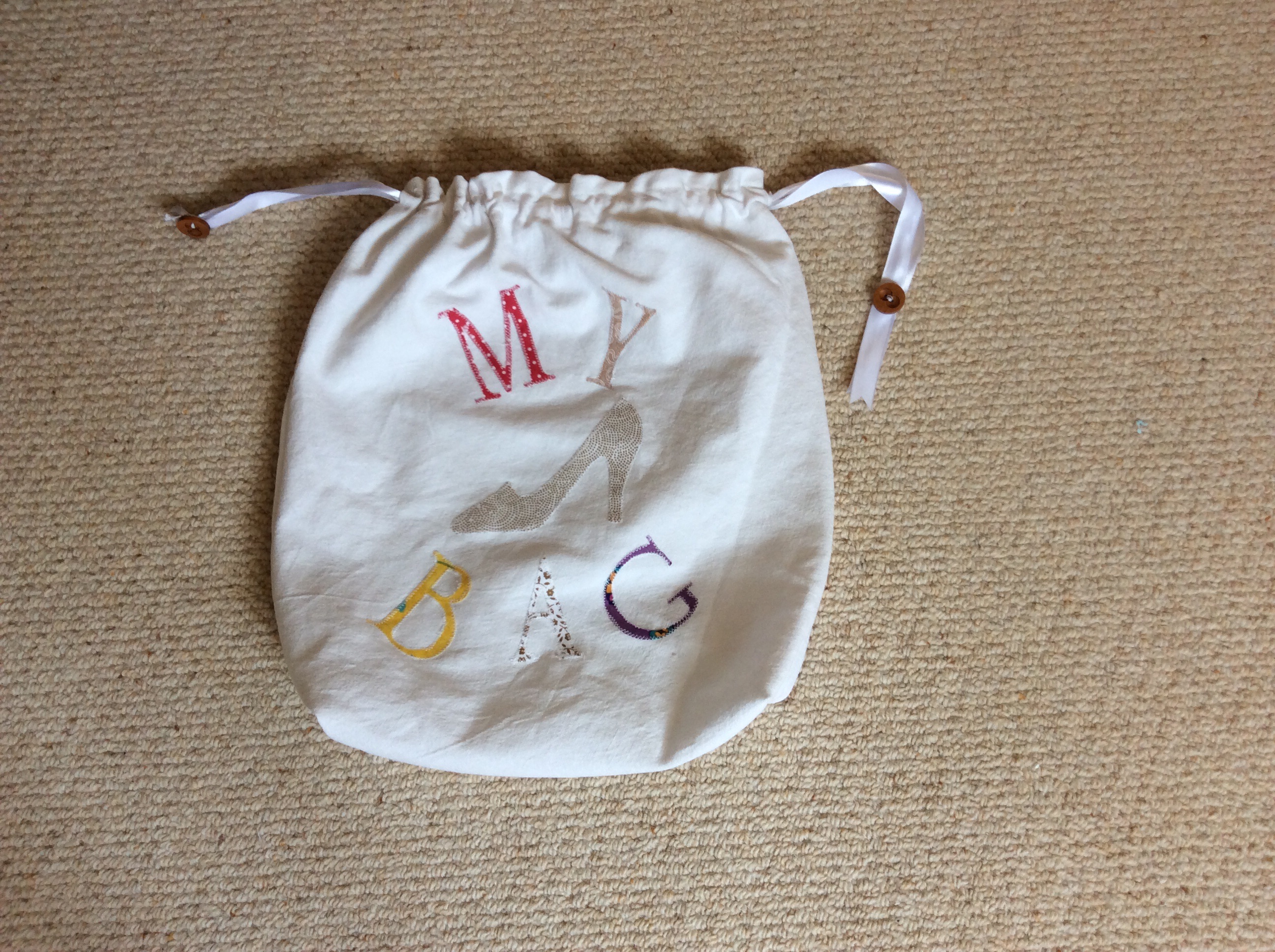
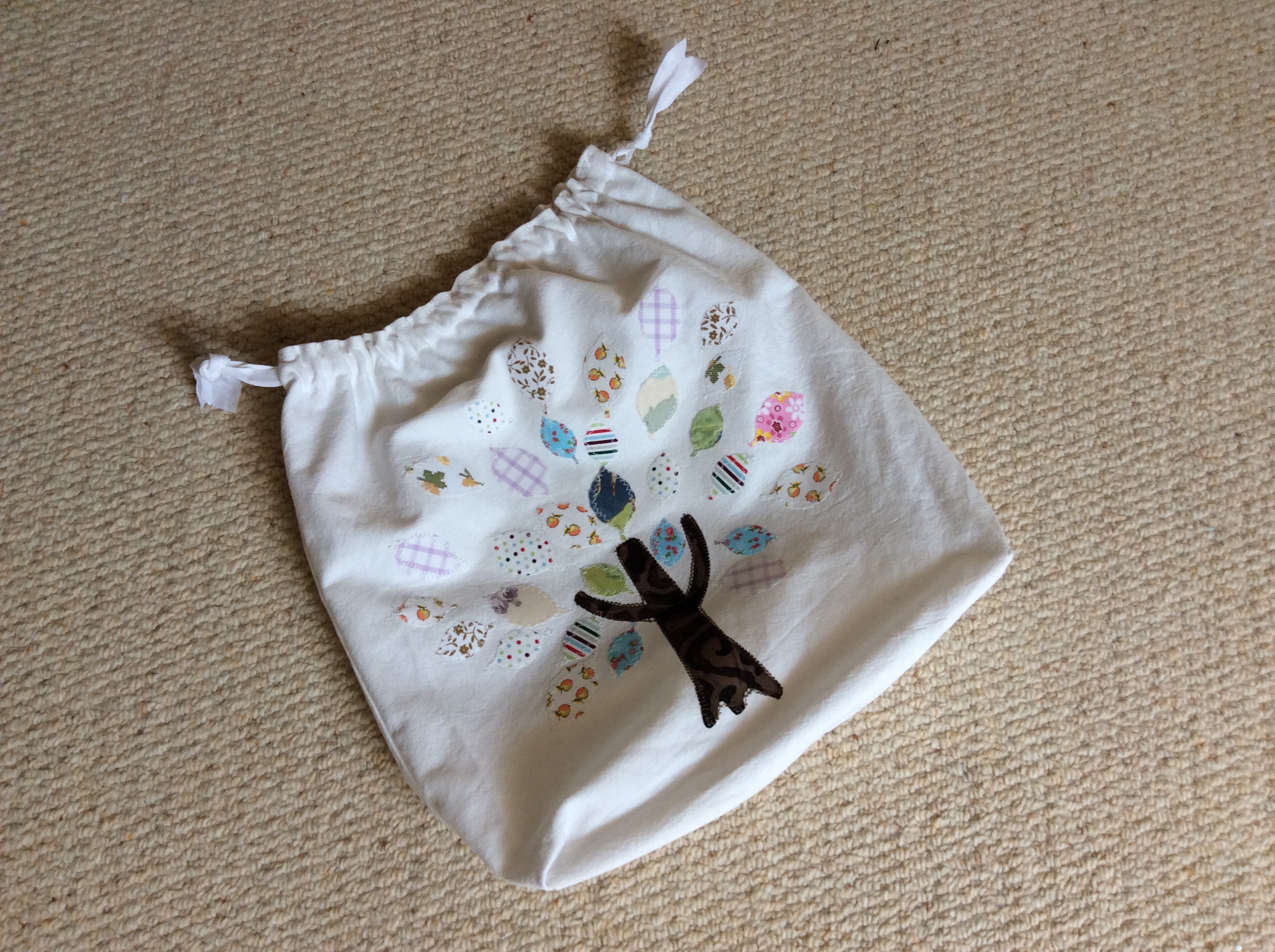
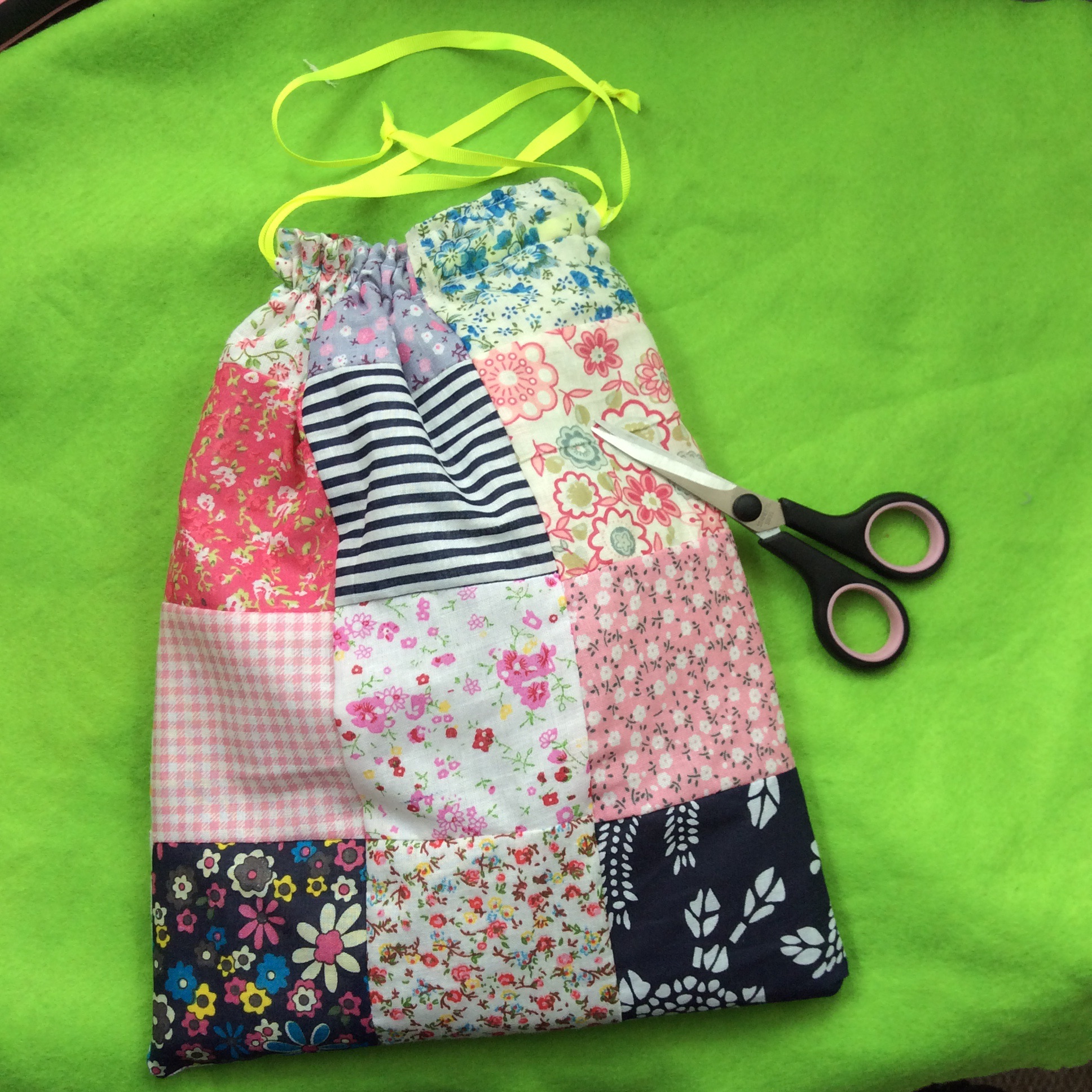
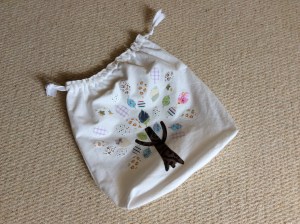
An old tablecloth up cycled into a shoe bag and a something else drawstring bag with appliqué decoration.

i used my new ScanNCut to transform scraps into appliqué shapes. Heat and bond lite gives lightweight cotton enough support for the machine to cut fine lines.

after ironing the shapes into position on the bag front panels I used zig zag to stitch them down.

Then I cut a matching back panel and pinned the panels top sides facing. I marked a gap for the drawstring channel between 2 and 5 cm from the top of each side and sewed around the rest of the sides and bottom. I boxed the corners to give a bit more shape to the bag as well.

rather than lining this heavy fabric I just ironed a 0.5 hem at the top and used a length of 4 cm bias binding to form the drawstring casing as well as fix the hem down. I zig zagged each side of the bias binding in place to make sure it was firmly attached.

I folded two more lengths of the same binding for each bag as I didn’t have any ribbon long enough for the drawstrings. These were pinned to a safety pin and threaded through the gaps in the seams and around the casing, one from each side seam. Finally each length of binding was knotted to secure it, on one I sewed some buttons to make the knot even firmer.
 

Patchwork drawstring bag

image

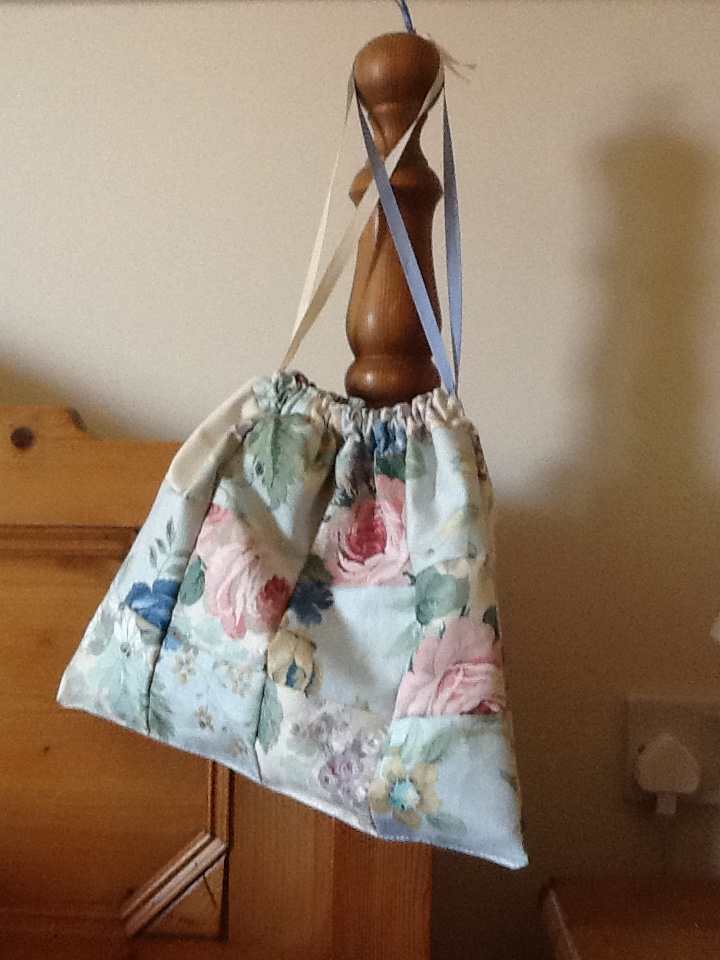
A frugal project to make an elegant bag for wet stuff, toiletries or …


three sheets from a pattern book donated, lining from a shower curtain, ribbon from my stash

cut fabric into equal shares and patch together to size required for front and back. Sew around leaving gap for drawstring channel about 3 inches from top on either side seam . Cut lining three inches shorter than outer then seam round leaving gap in bottom for turning. Slip outer inside lining, right sides facing, and match seams with clips. Sew around all the top. Turn through gap in lining then top stitch gap closed. Push lining down so that the top of the (taller) outer folds over and top stitch above and below the channel gaps to create a ‘tube’ through to thread ribbon from either side. When ribbon has gone all the way round, knot the ends and you are done

Double oven mitts, again from jeans

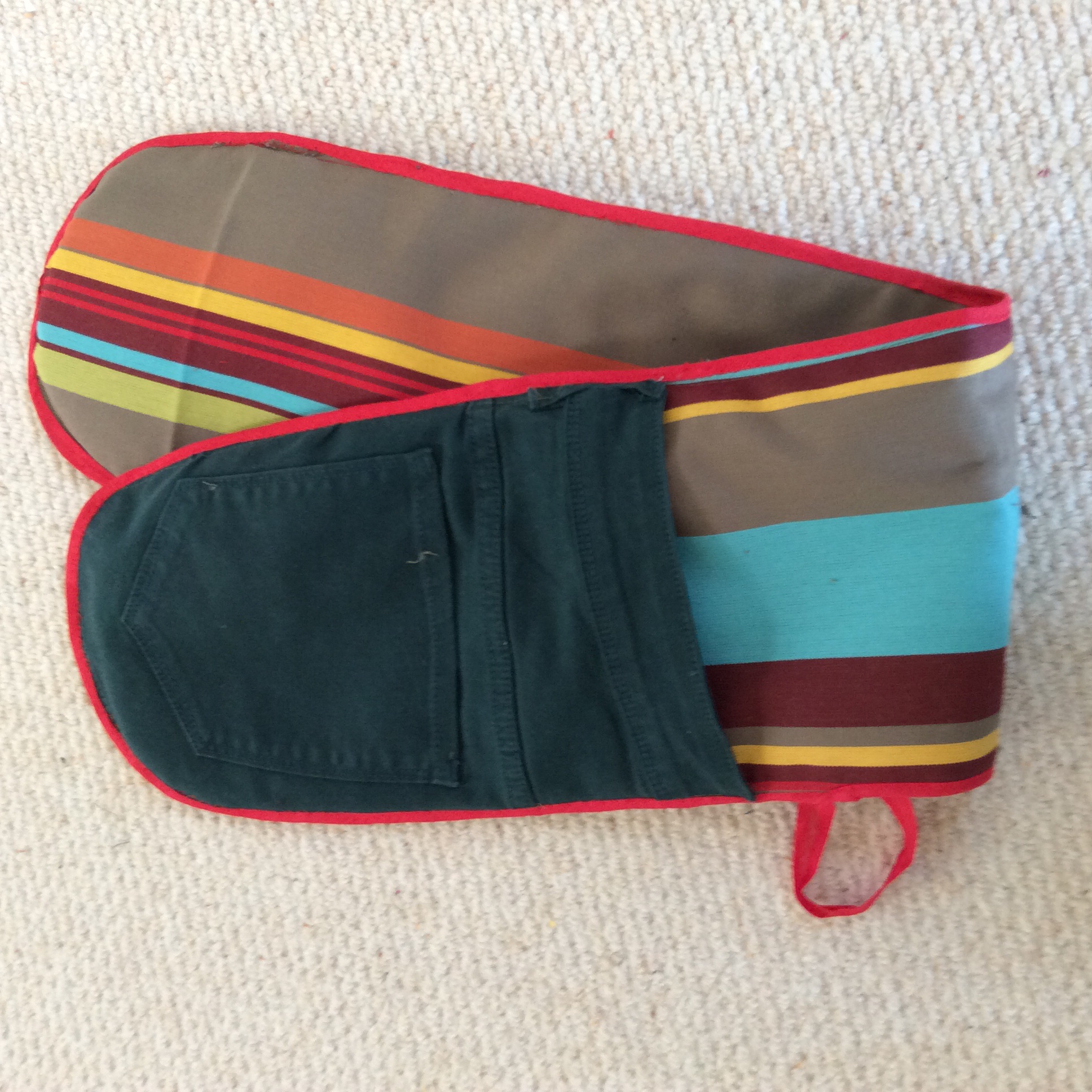
image imagea freestyle project using ‘jolly molly’ double oven mitts as a template.

layer outer canvas, insulbright, batting, outer canvas and jeans back pockets over the template made from old mitts. Baste around the edge then fix bias binding to seal the edges.

Don’t look too closely at the binding, next time I will hand stitch the second side as I found it tough to stitch in the ditch.

What to do with a fabric samples book?

Ideas please as I have a stack of curtain fabric samples to be used. There just isn’t room in my craft cupboard for all the fabric I am accumulating.

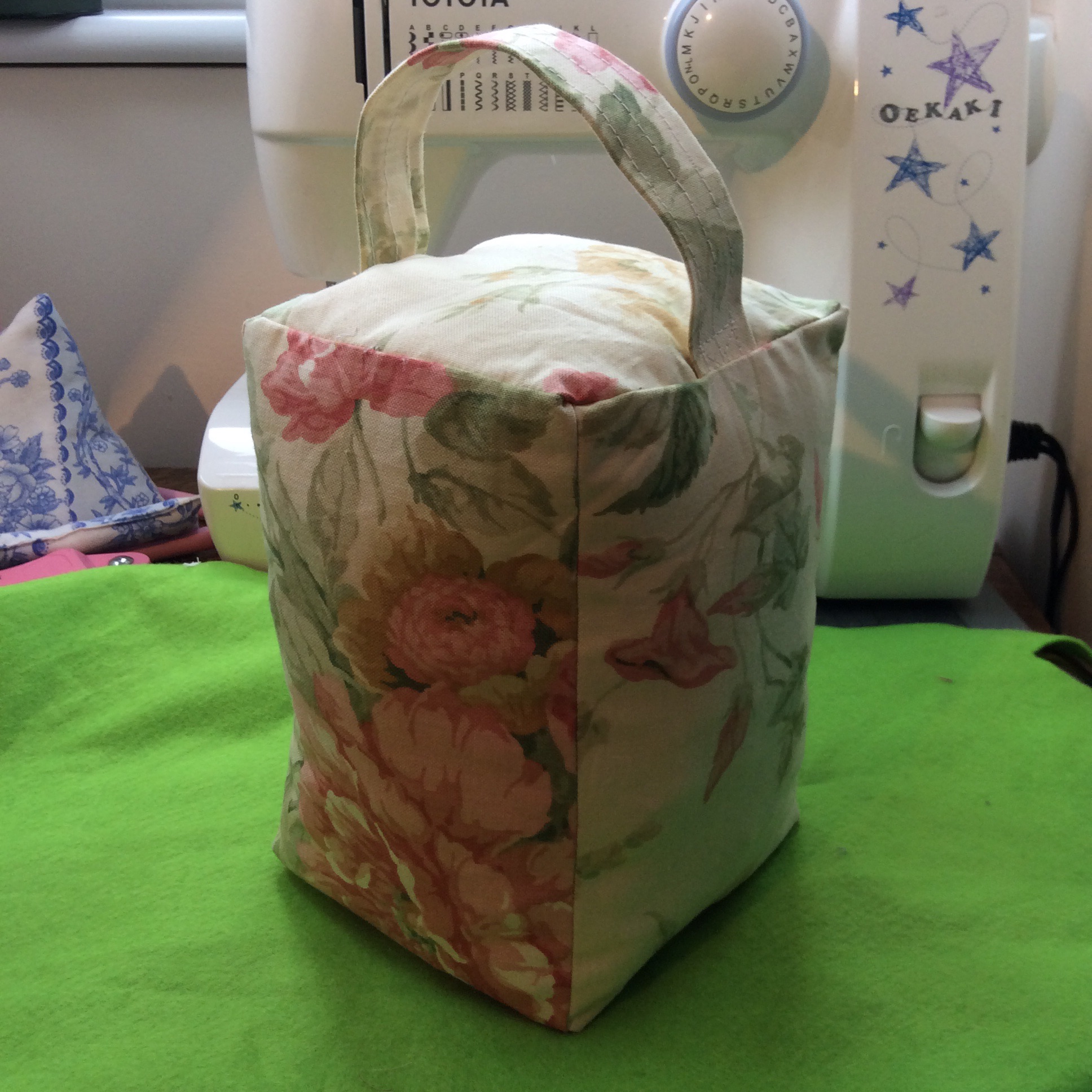
imageProject number one – my failsafe door stop design with sizing adapted to fit the fabric square. Four identical rectaingles and two squares to match the width of the rectangles with a strip folded to make a handle. Method; stitch the rectangles to form four sides of cube, keep it inside out.. Top stitch the folded strip and sew on the top square in place as a handle. Stitch  the top into position in the cube and stitch around most of the base square leaving a gap for turning. After turning fill with cushion poly fill and finish with some gravel or pebbles as weight before hand stitching closed the gap.

Wet stuff pouch

image image

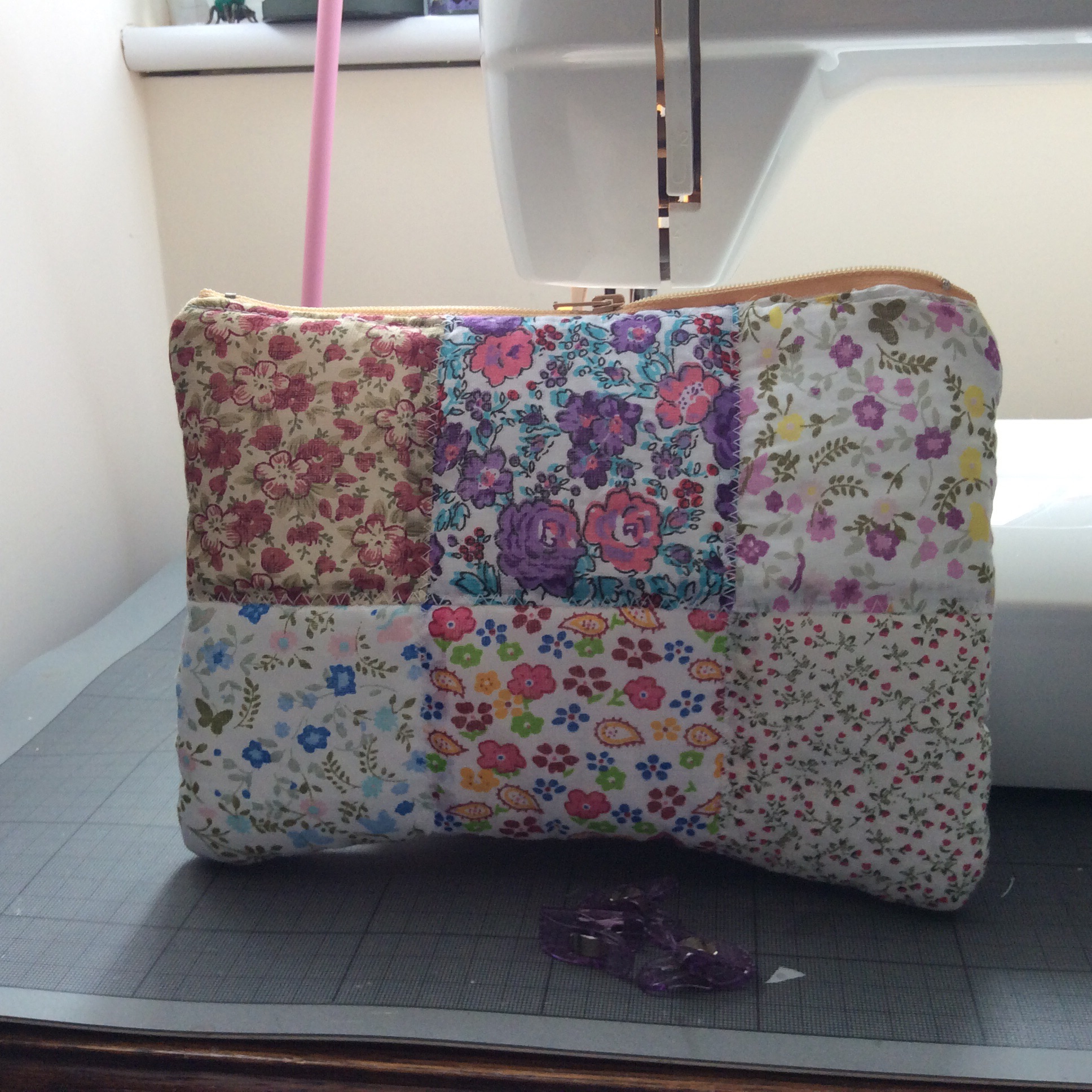
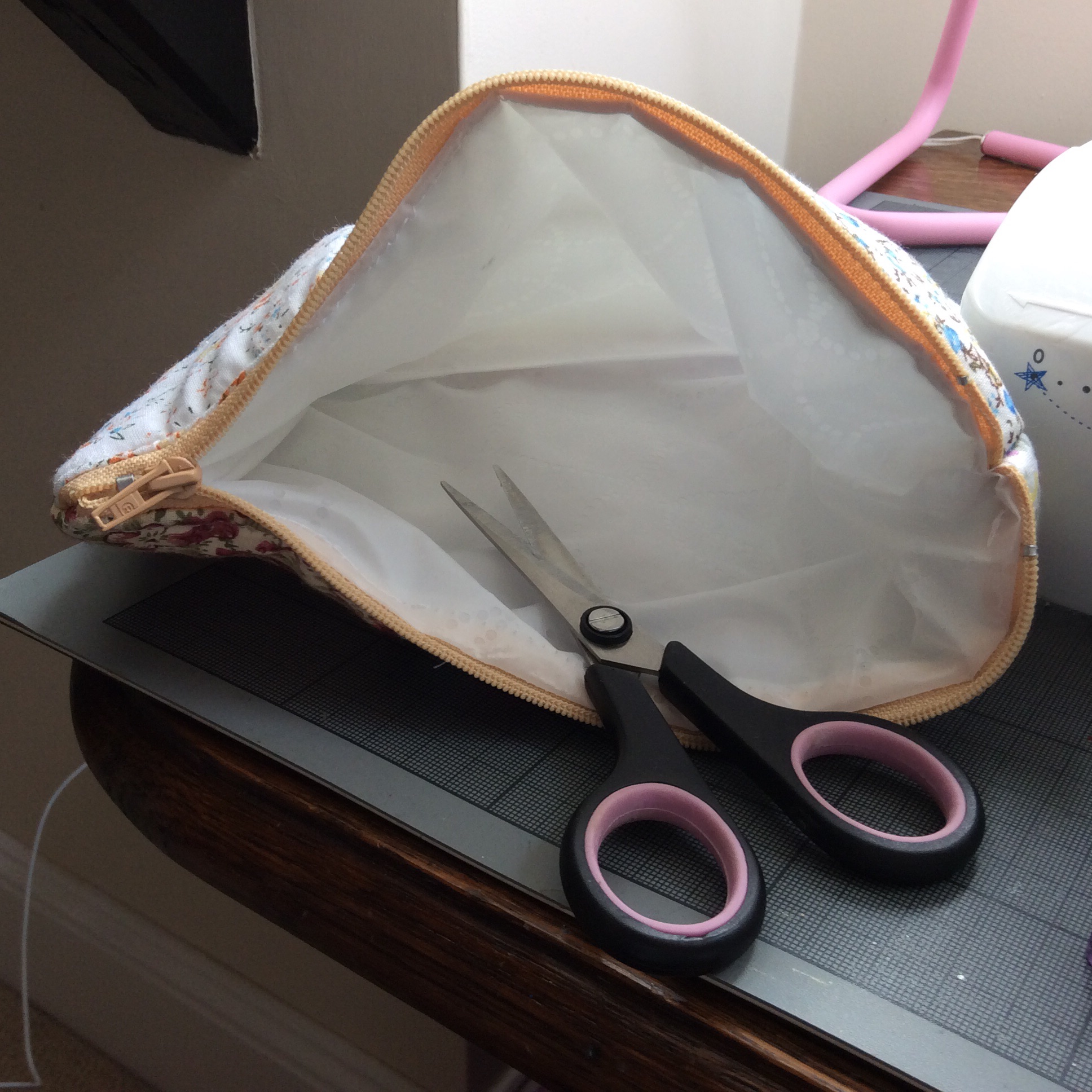
A super cheap IKEA shower curtain is the lining for a simple zippered pouch which will carry wet swim wear or soggy stuff in style this summer

method: cut two identical panels of outer fabric (I used six charm pack squares quilted on to wadding), two of liner (shower curtain) and optional interfacing if you want stability.

sandwich interfacing first then outer then zip then lining to one side of zip – all raw edges aligned then do other side of zip. Optional top stitch afterwards

lay linings to the right and outer space to the left with good sides facing then stitch around leaving a gap for turning on the long lining side

turn then top stitch the gap closed.

done

to be honest the shower curtain is going to rip under pressure and was tough to sew at zip level so the next one is going to be an envelope style pouch with Velcro fixing instead

Fabric baskets

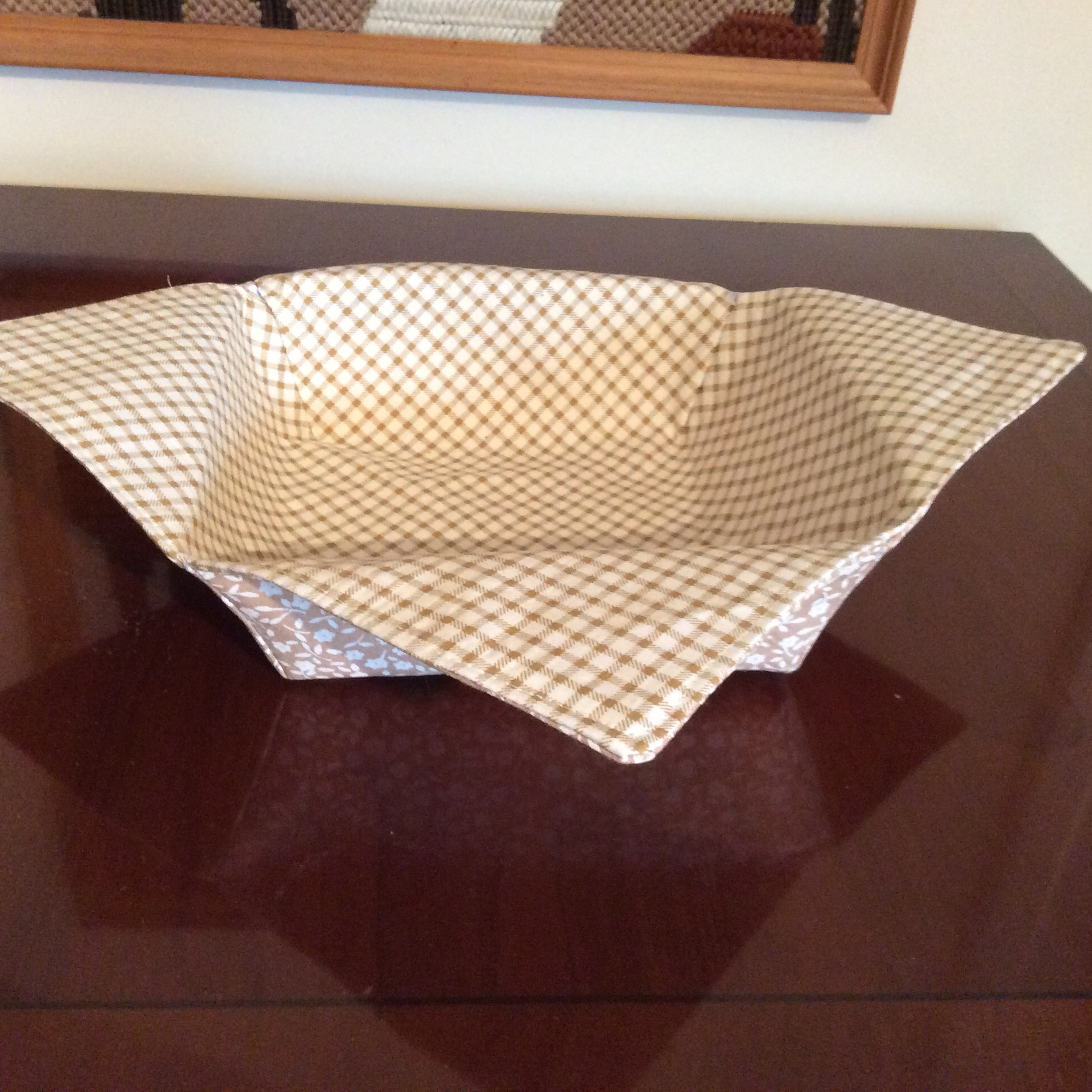
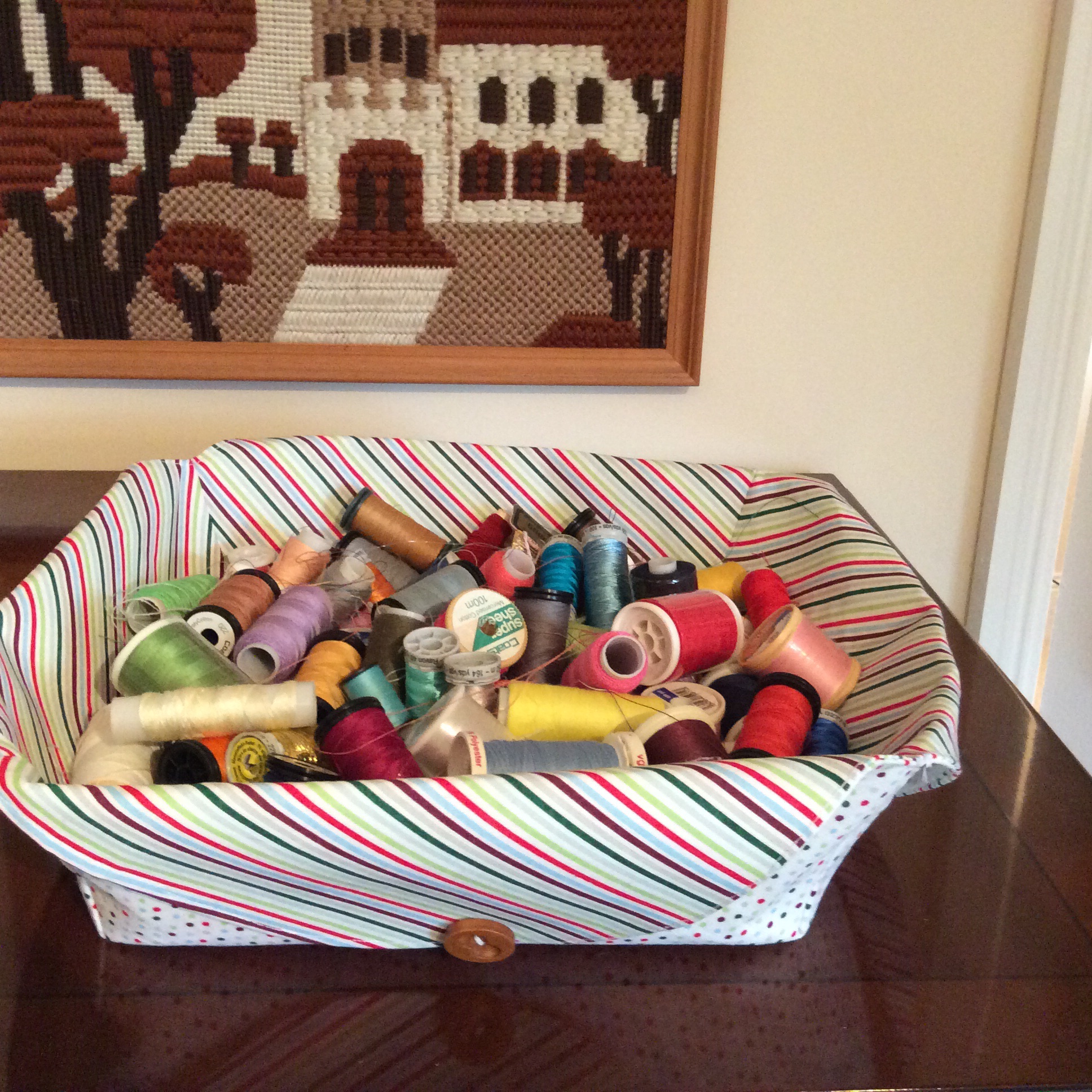
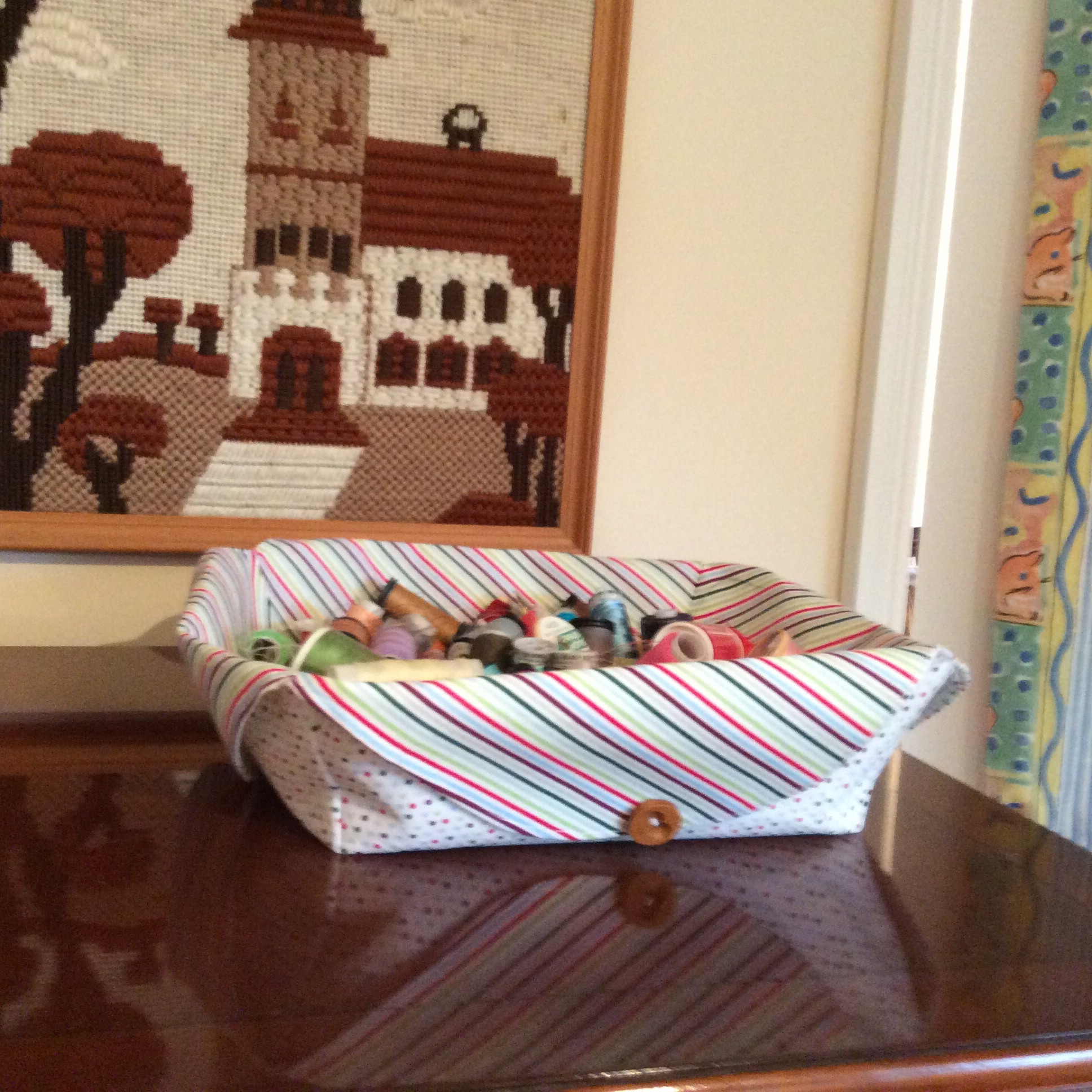
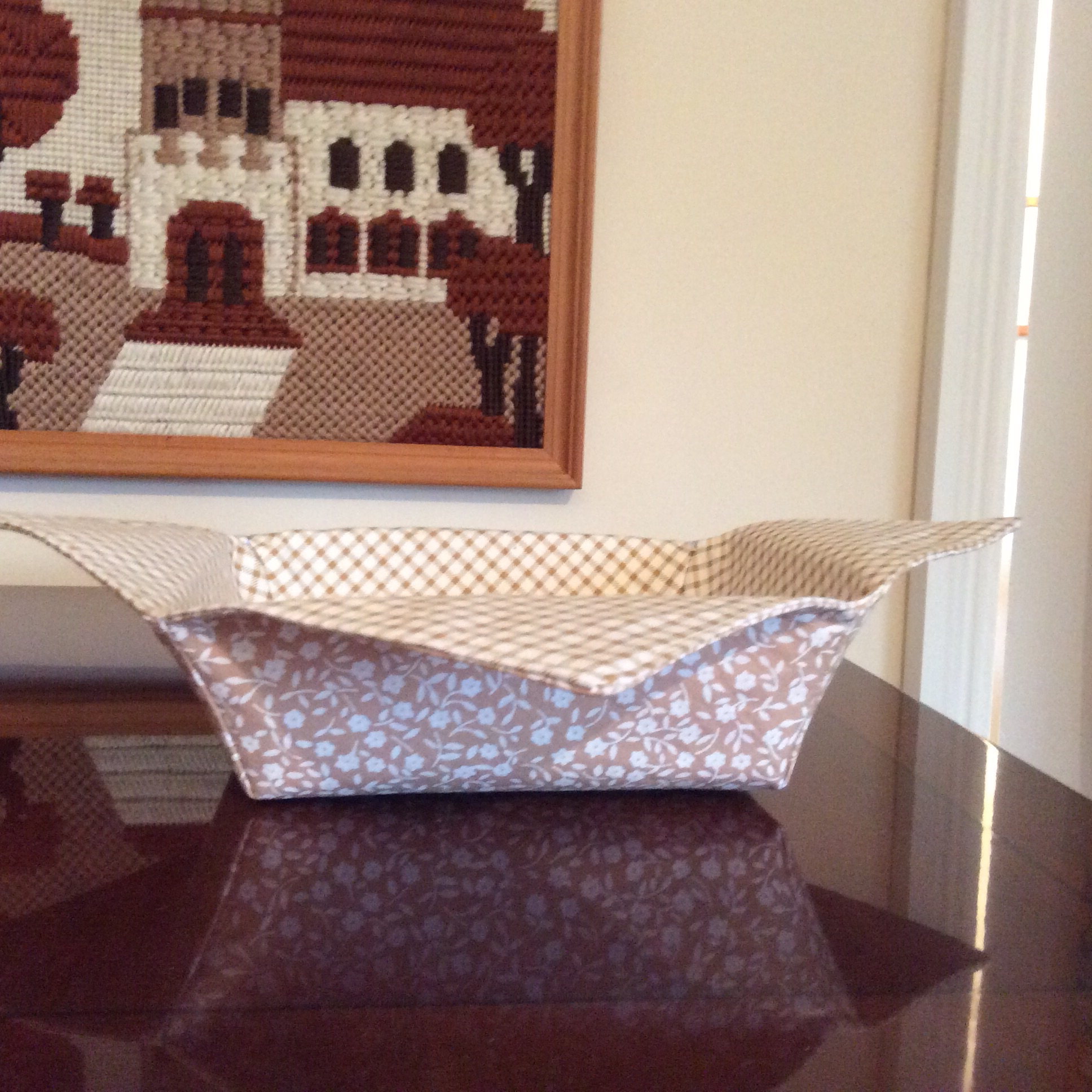
image image image imageGoal:To replace the tired old bread basket with a home made version.

result: love this with contrasting fabric which makes it reversible. so far one bread basket suitable for 2 people (10 inch squares) and one (18 inches) now my cottons basket.

method- take two squares of fabric, back with heavyweight interfacing and iron neatly.

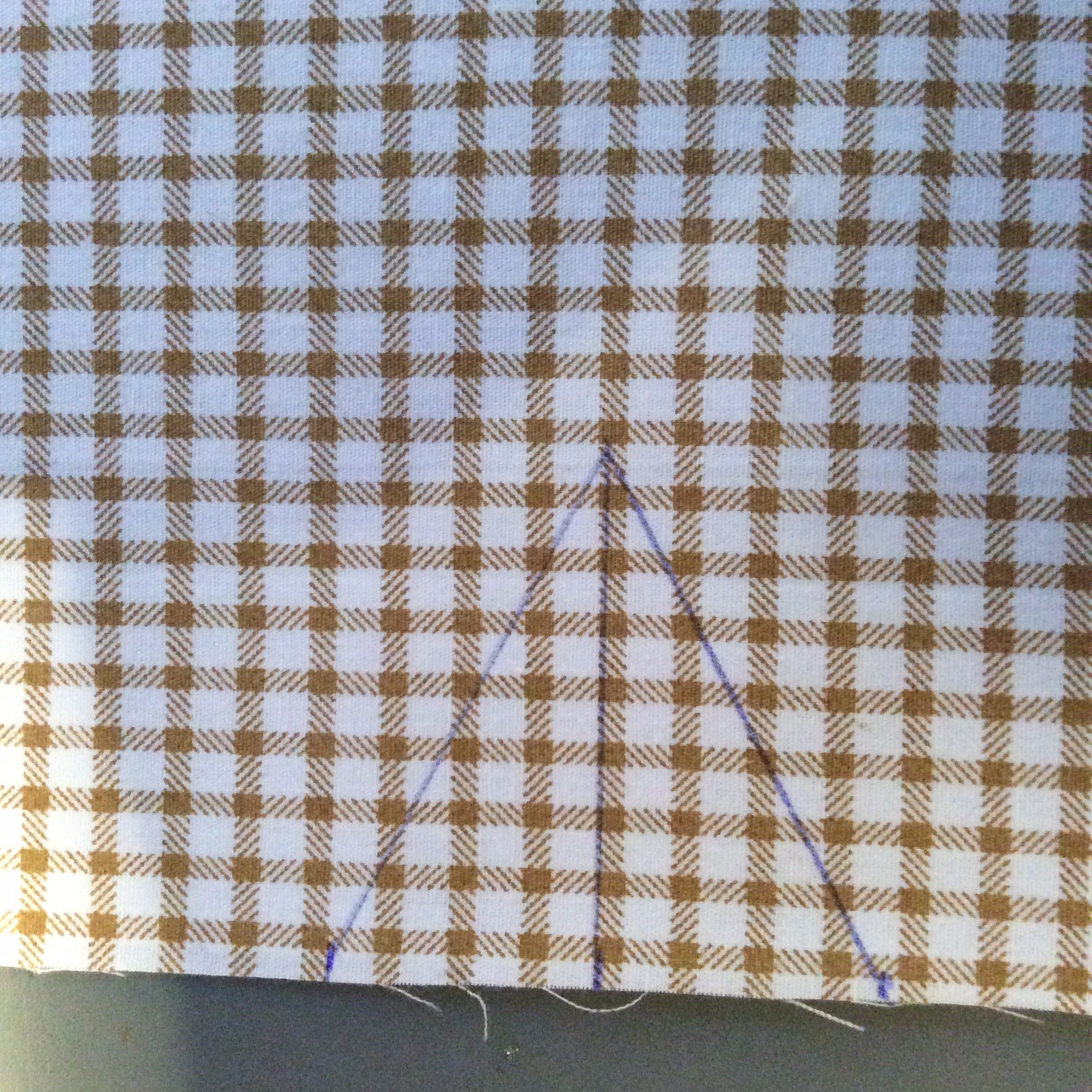
draw darts midway each side – for the large one mine were three inches deep and three inches wide.

image

Sew each dart so it pulls the fabric into bowl shape then, with right sides facing, stitch the pieces together leaving a gap for turning. Turn right sides out, iron to tidy the edge and top stitch to neaten and close the turning gap.

For or the large one I also rounded the corners before I drew the darts using a plate as a template  and at the end stitched a button on each flap. Other variations to follow, love this practical make.