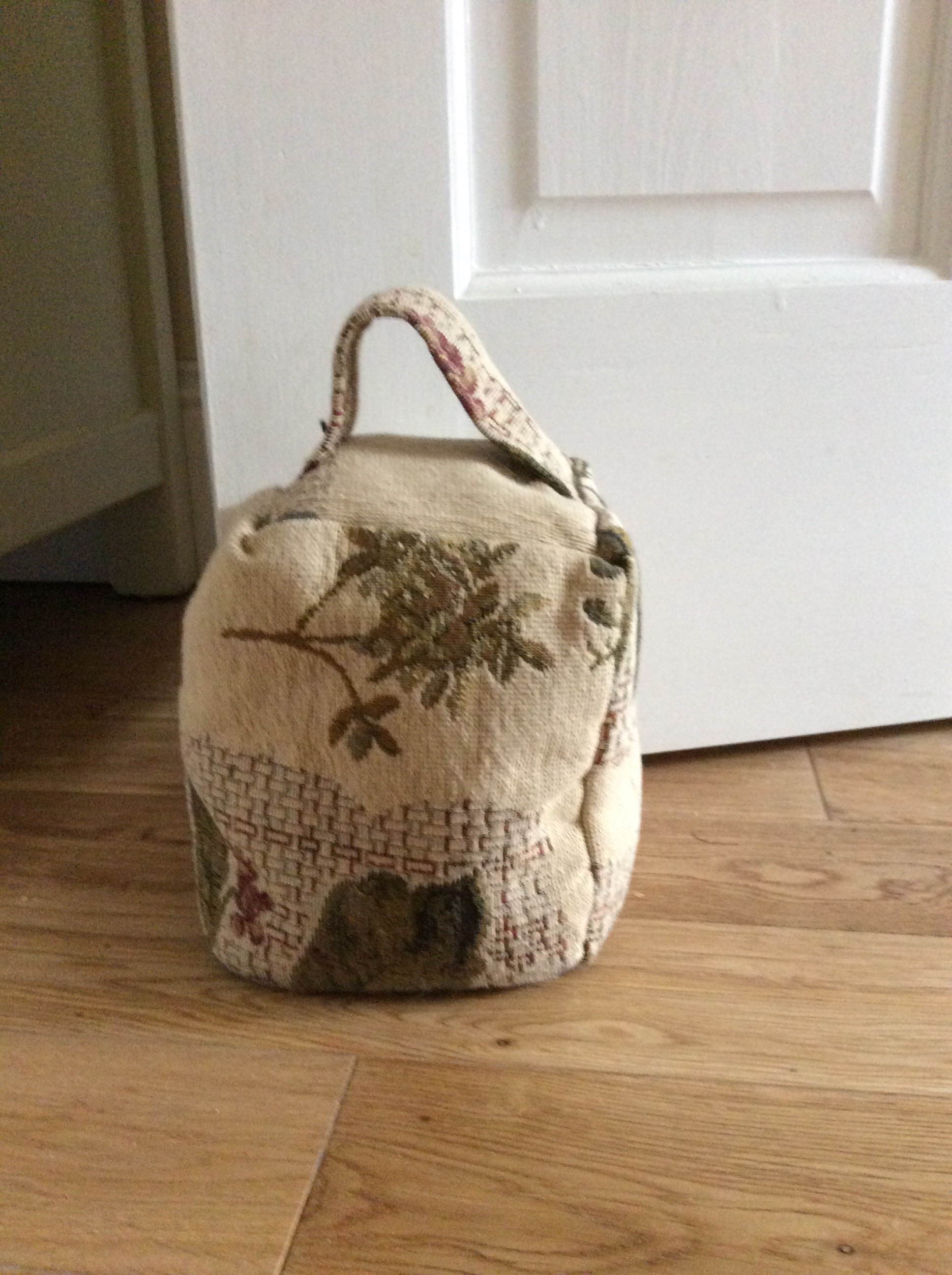
 Any heavyweight fabric (left over curtain or upholstery looks great but still needs interfacing to give it structure.
Method; cut four 20 x 15 cm sides and two 15 x 15 squares for top and bottom plus one 15 x 12 cm strip for the handle. Interface everything.
Create the handle by folding the sides of the strip to the middle then fold in half and top stitch closed. Top stitch the other side for effect. Stitch the handle to your top piece, fixing it in an ‘x’ pattern at either end for strength.
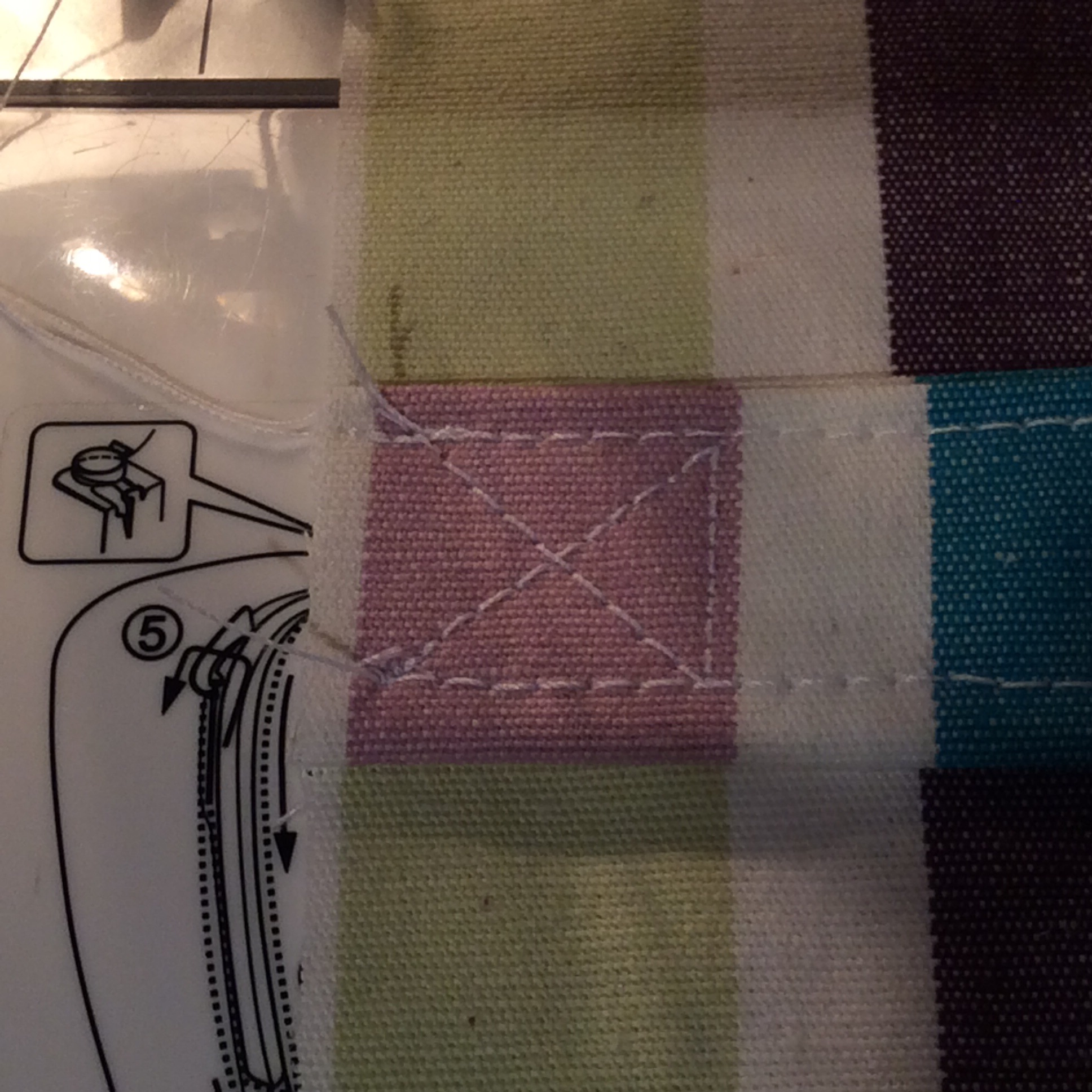
Line up the four sides inside out and stitch with an even seam width down the 20cm sides to create a cube (sort of) then with right sides still together together pin and then stitch the top into the cube.
Check you have caught all the corners then stitch the base piece in leaving a gap for turning.
Turn, stuff with wadding, gravel – best in a sandwich or simple mini sack – Try to surround the sack with wadding so the cube sits right and stuff more than you think necessary, then slip stitch the gap closed.
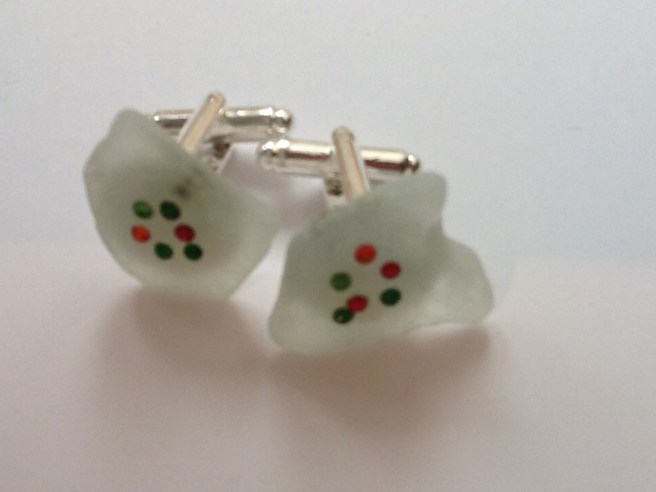 This year’s sea glass stash was only reduced a little by these gifts. A simple ring and cuff links made from the flattest pieces I had to hand which were then glitzed up with hot fix rhinestones – the smallest I had to hand – and stuck with jewellry cement. Note to self: research better ‘glue’ to stick glass to metal.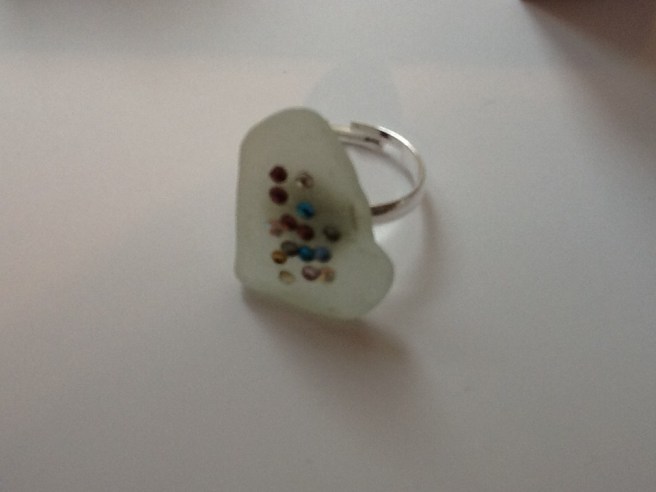
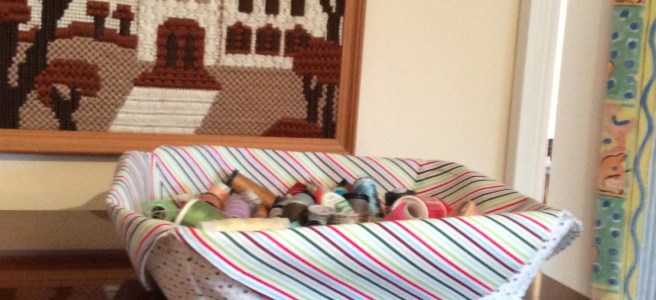
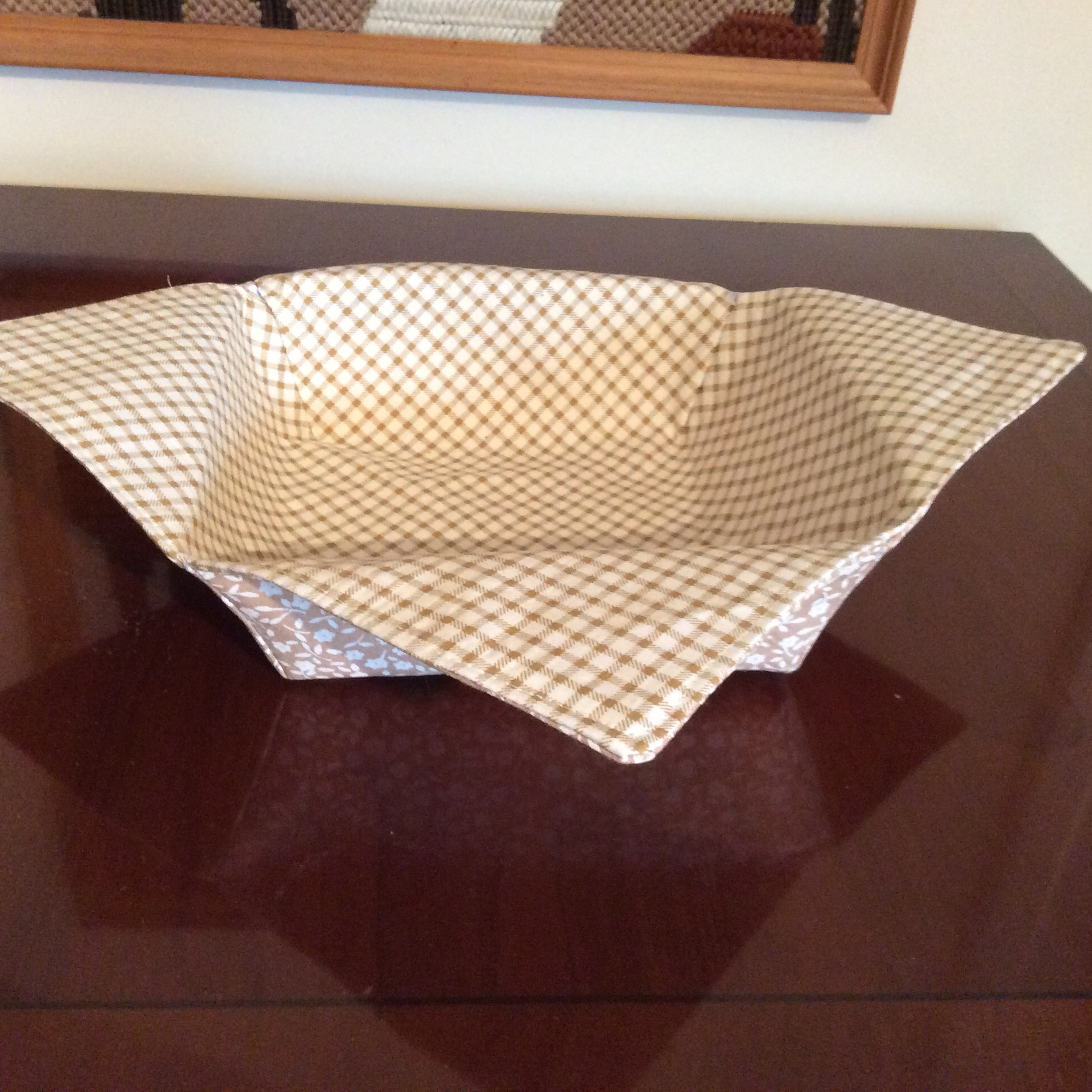
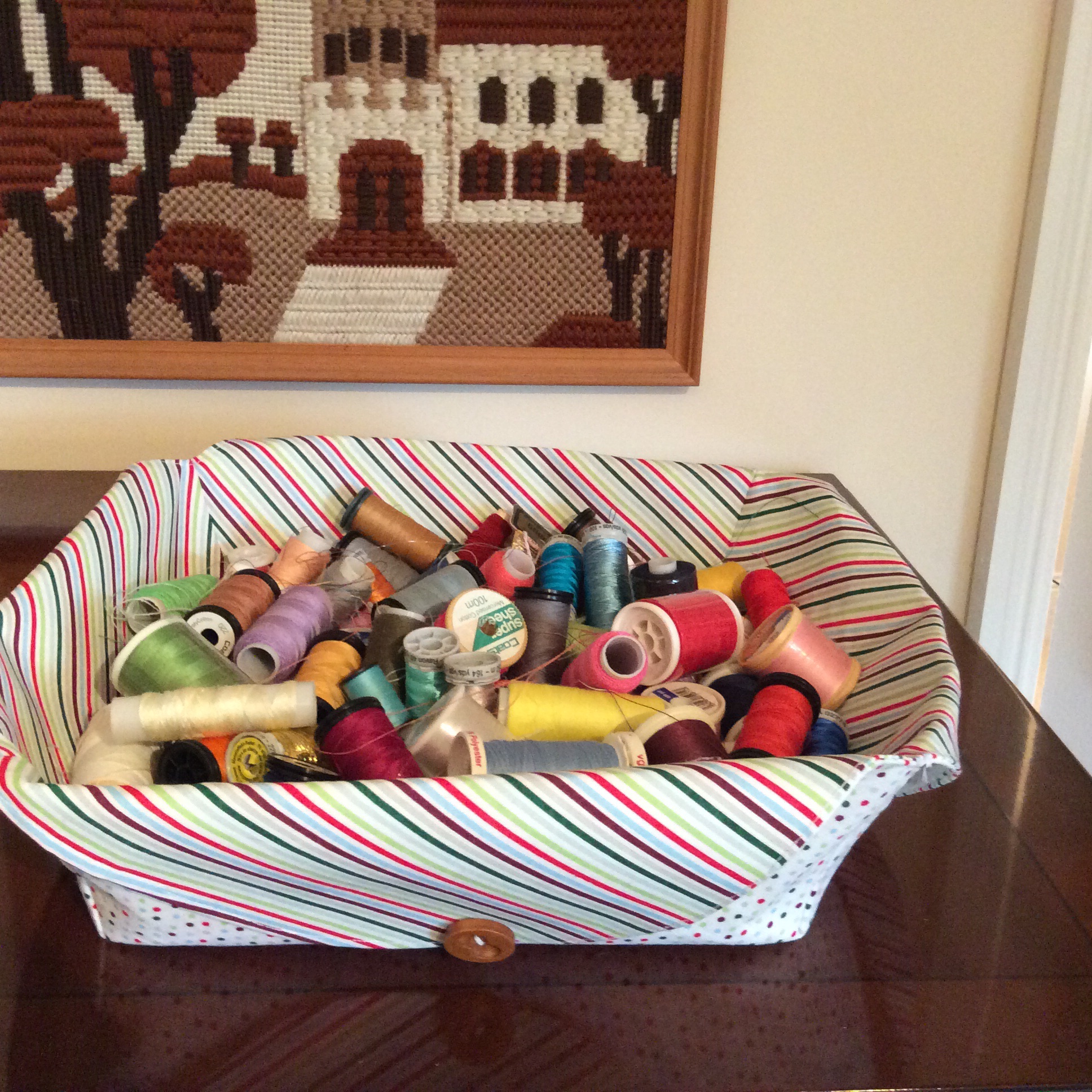
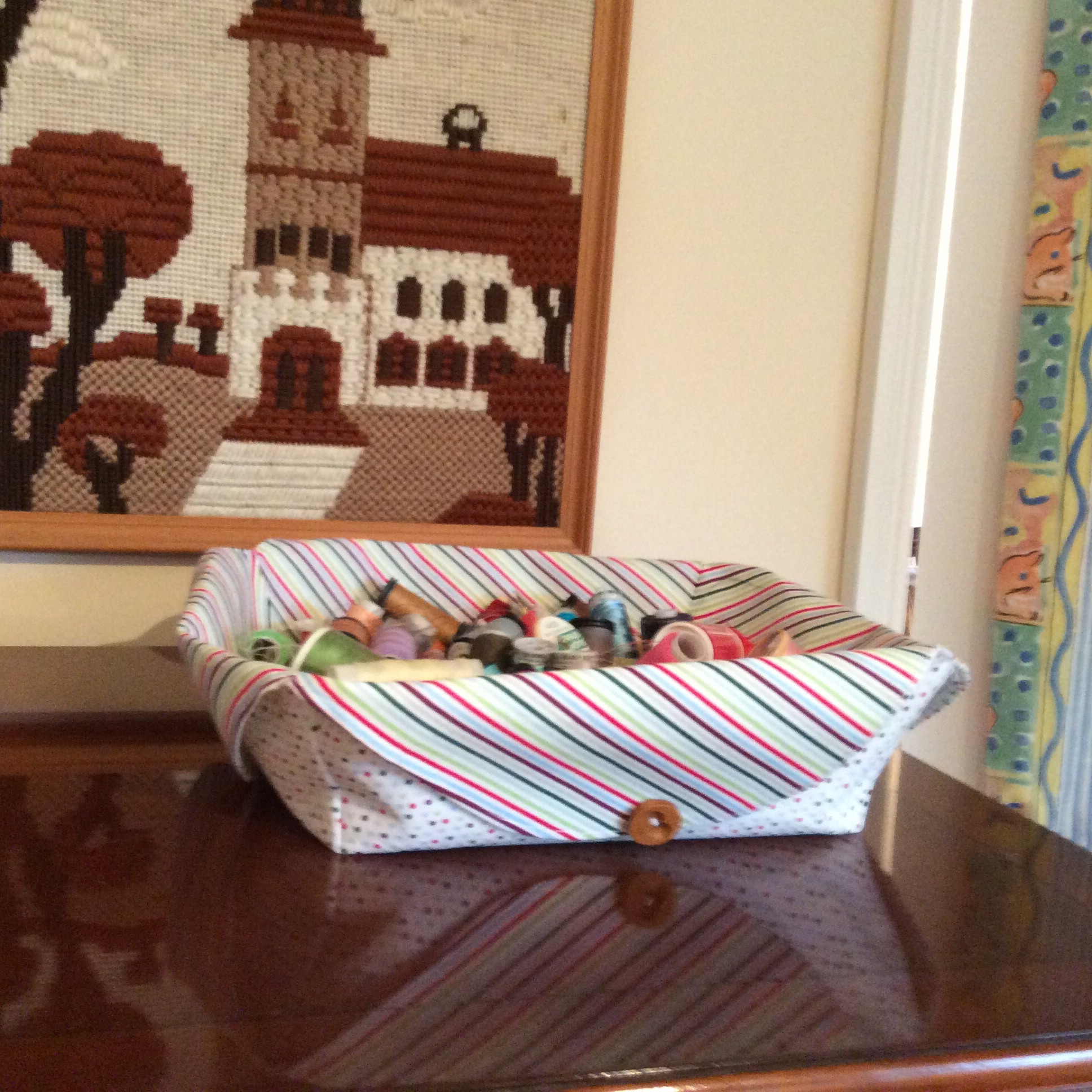
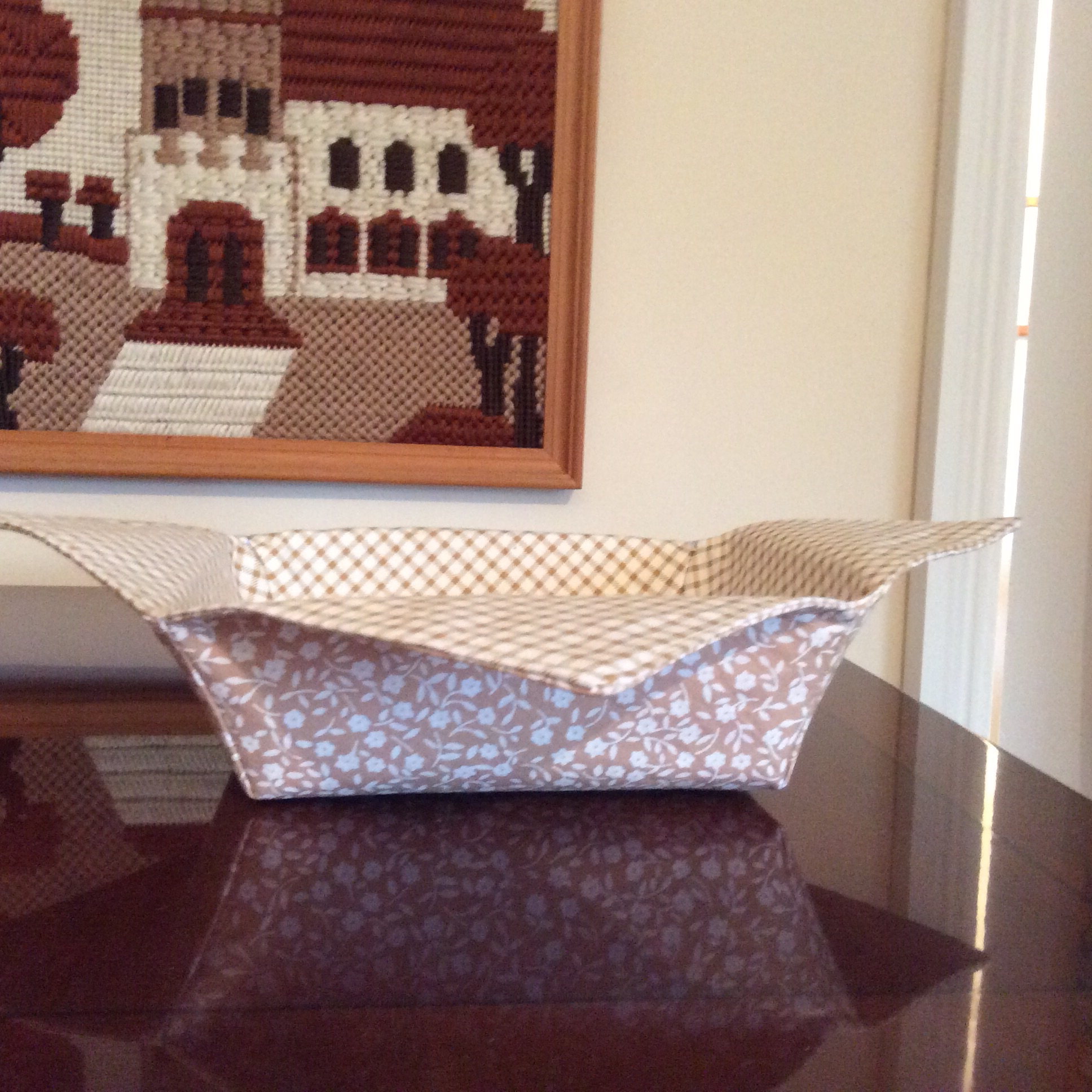
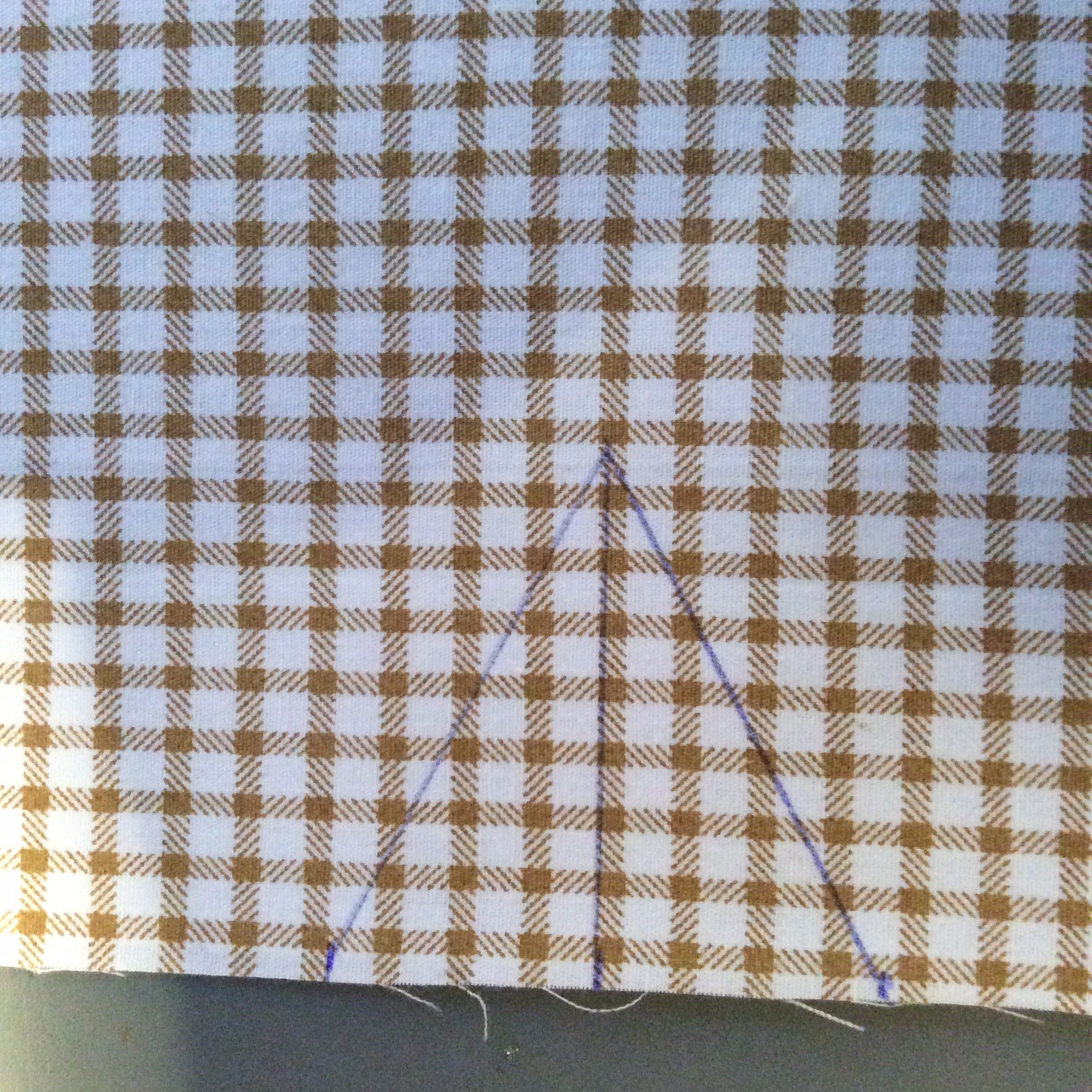
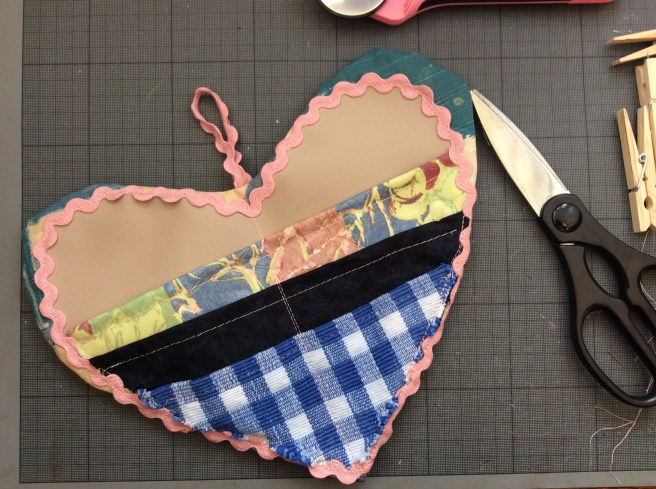 hmm, mistake with the gingham fabric, too open weave so lots of hand and over sewing. Still a rustic storage solution for bits I want to keep near the sewing machine.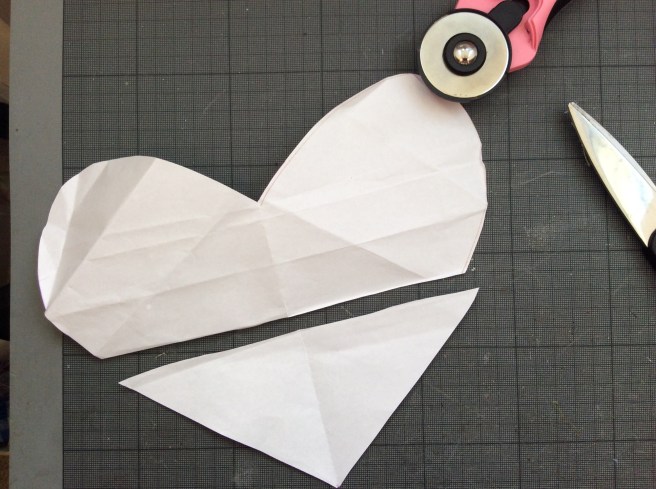
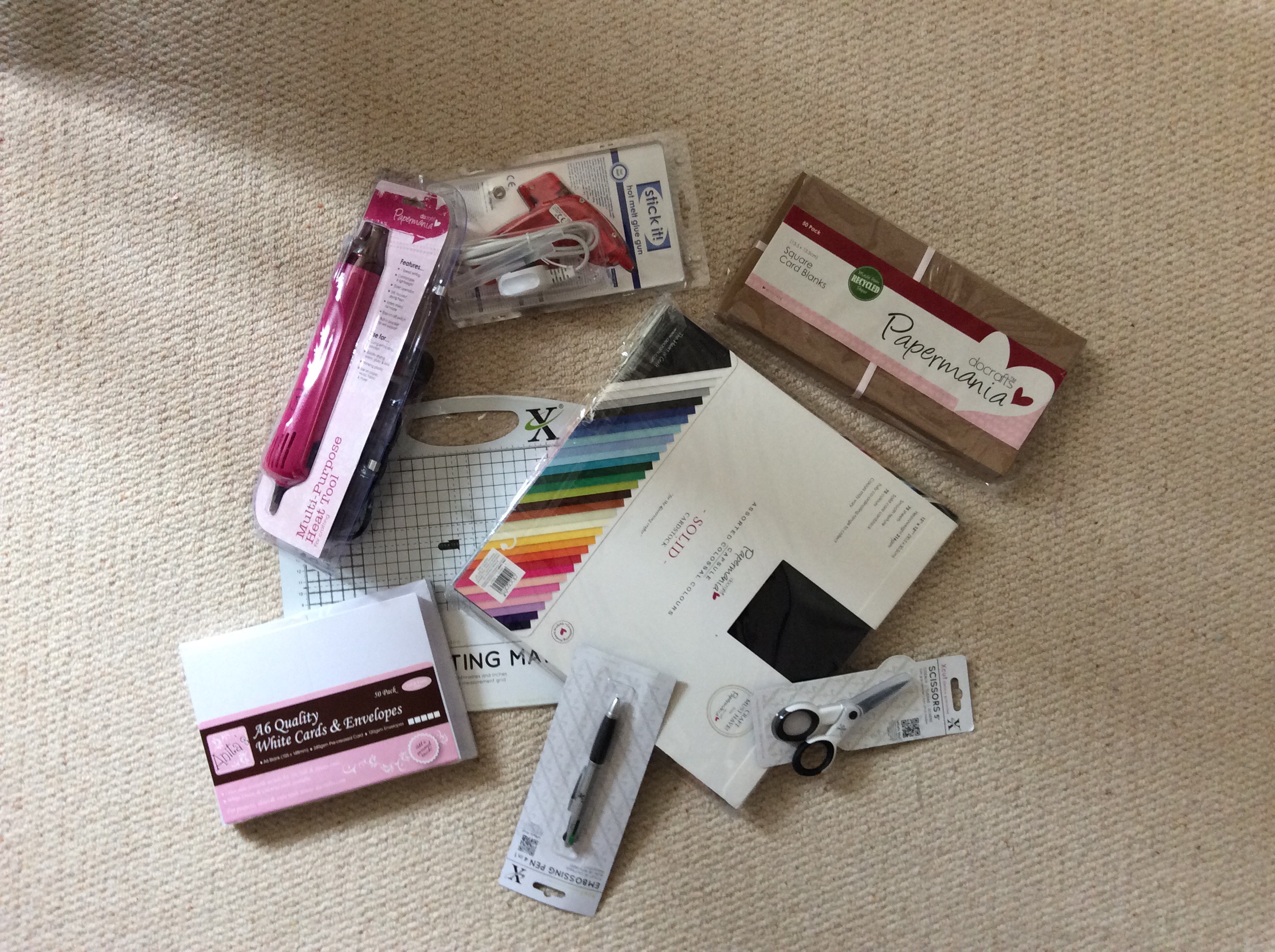
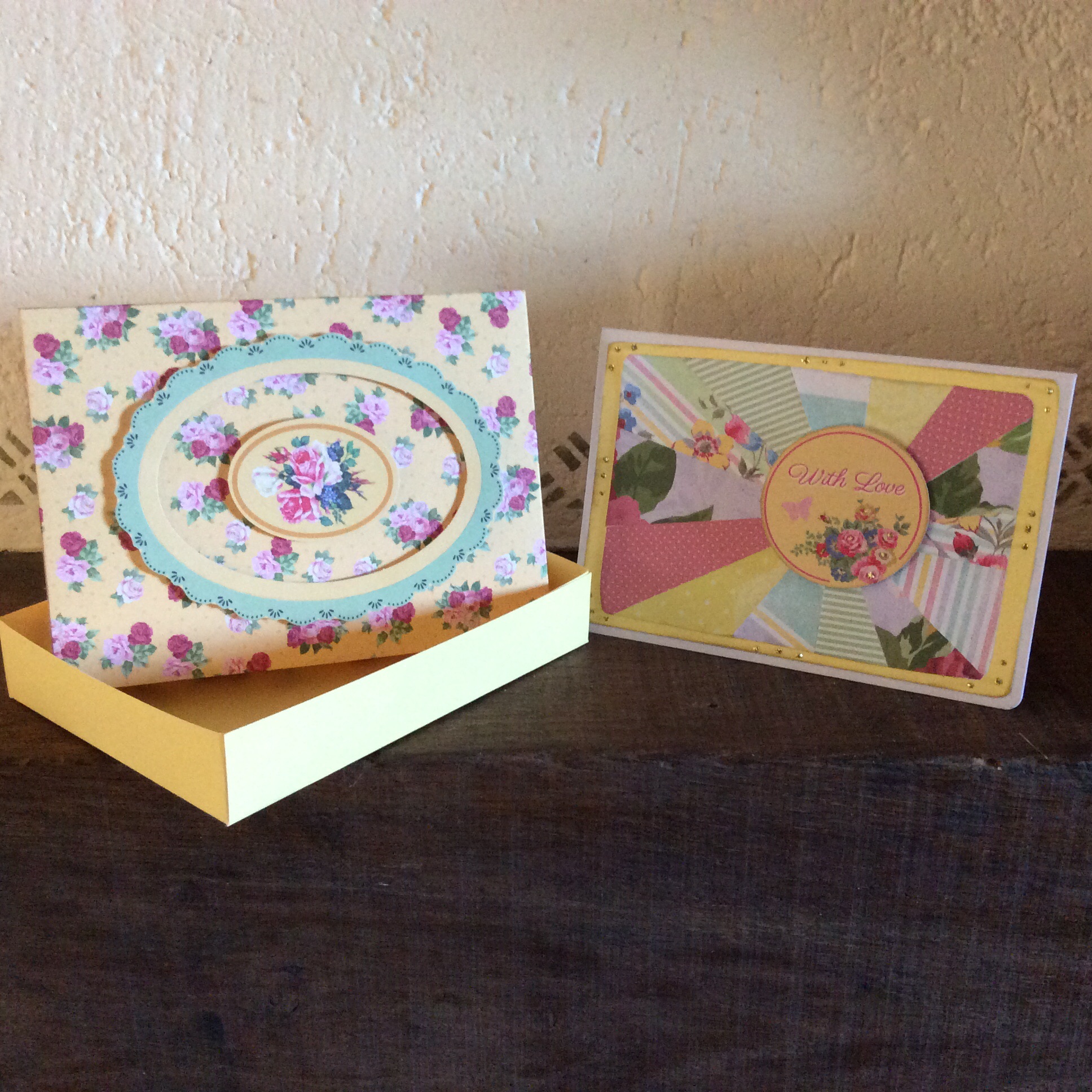
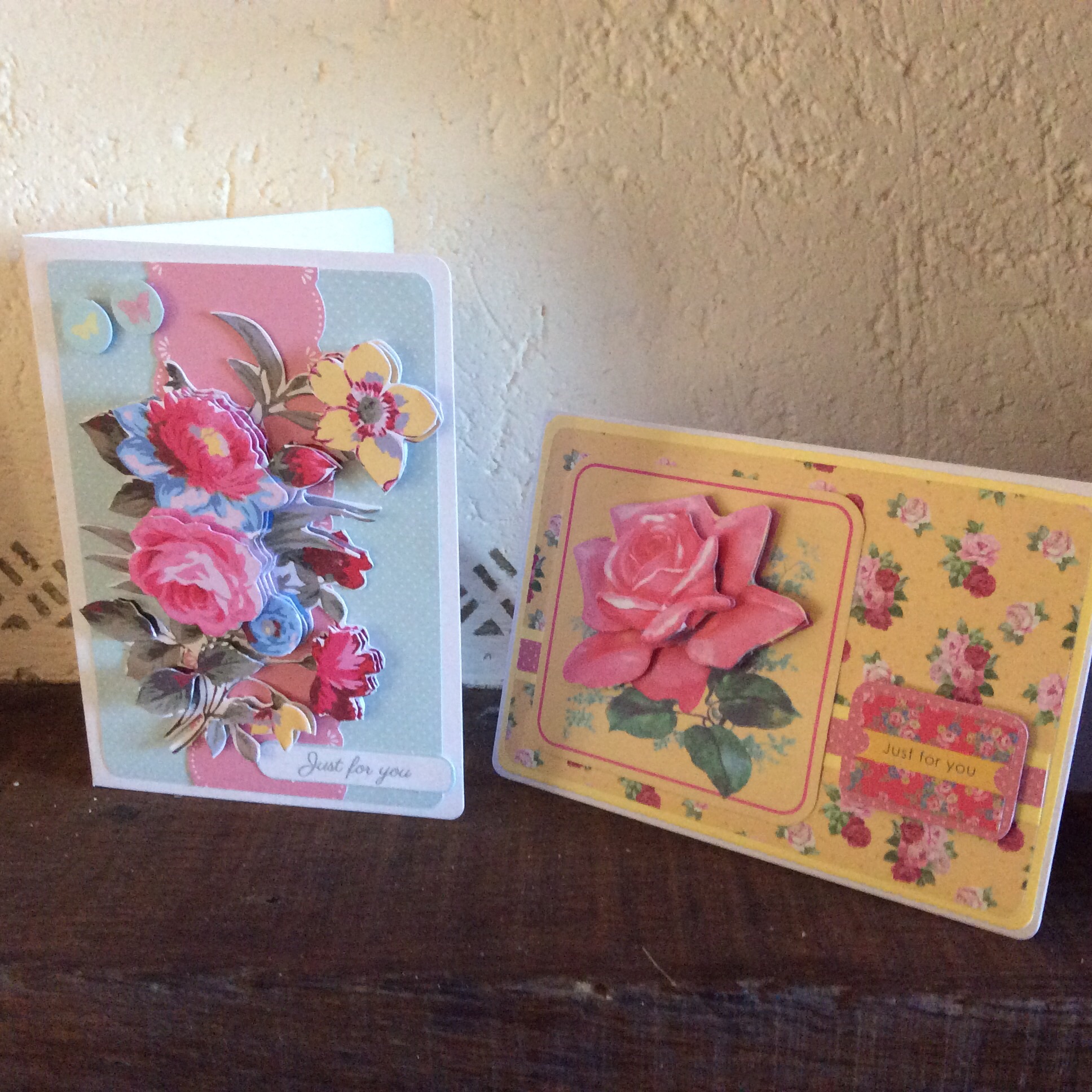
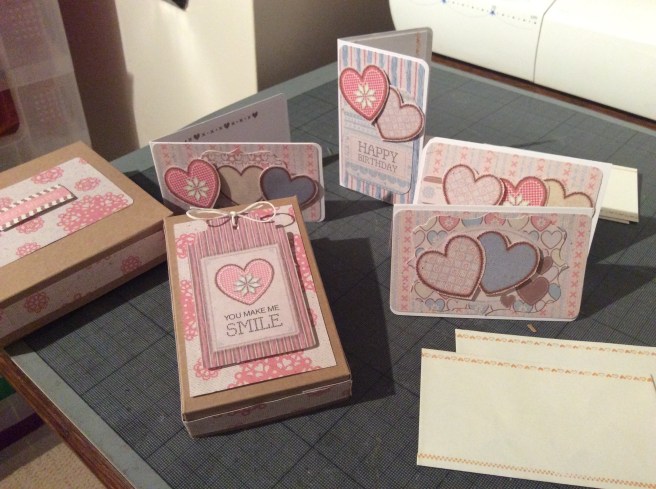 aah, my new paper trimmer makes me happy. Every piece of paper used to make batches of cards more expertly than before. Using Docrafts craft collection paper I have made gift sets of mini cards.
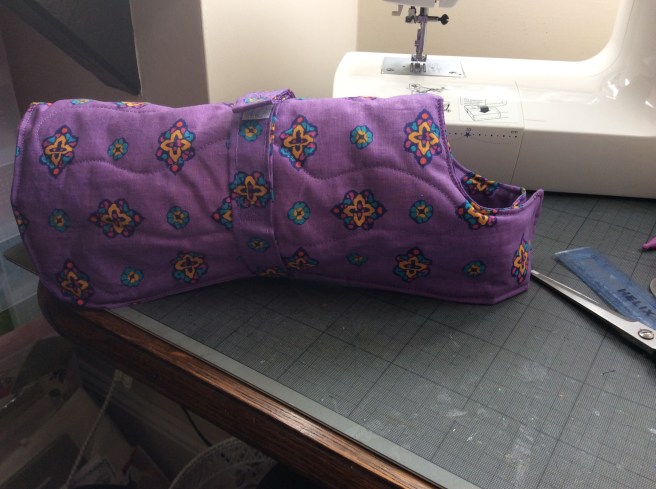 the most expensive dog coat turns out to be the easiest pattern to copy, just traced.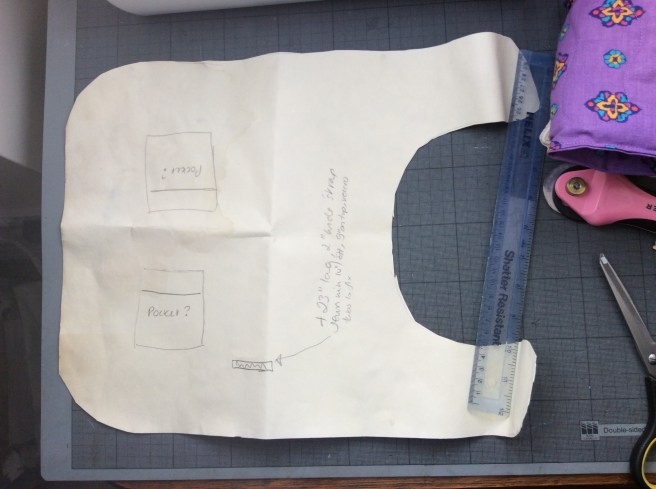
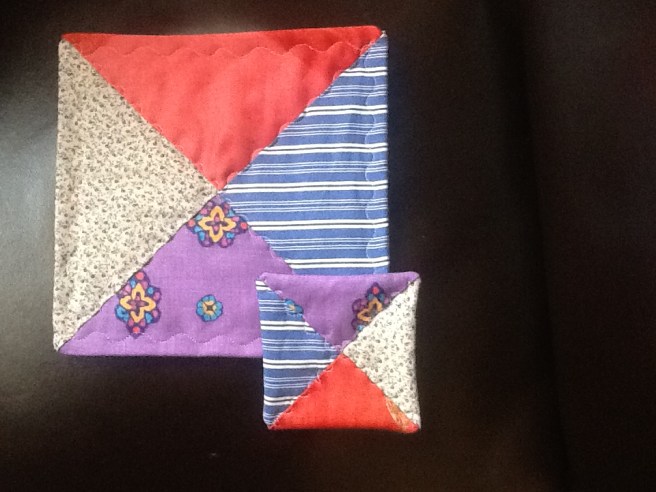


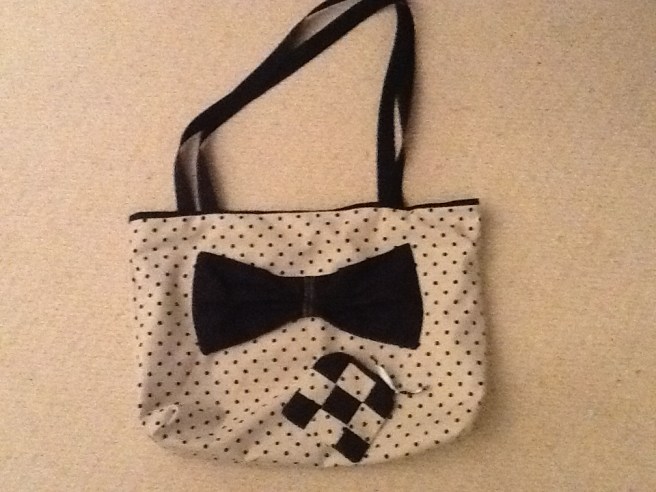 a simple tote with webbing for handles, interfaced and lined with a pocket inside and a decorative bow on the front – thanks to Debbie Shore videos for techniques
 janecrafts